
Black shorts earn their place in Canadian wardrobes because they can move between casual and polished outfits. The right pair can work for warm weekends, travel, dinners, and selected workplaces. Fit, fabric, length, and footwear matter more than following one trend. For most Canadians, the most versatile pair has a mid- or high rise and a clean leg line. Choose tailored fabric for polished outfits, cotton blends for warm days, and denim for casual wear. Match the hem to your proportions, then test it with shoes you already own.
| Buying decision | Reliable starting point | Best suited to | Main consideration |
|---|---|---|---|
| Tailored woven | Mid or high rise | Work, dinners, smart casual | Structured fabric can feel warmer |
| Cotton twill | Straight or relaxed leg | Everyday wear | Balance structure with airflow |
| Linen blend | Relaxed cut | Summer and travel | Expect some wrinkling |
| Denim | Straight or loose cut | Weekends and casual outfits | Heavier denim can feel warm |
| Athletic fabric | Flexible waistband | Walking, workouts, travel | Usually looks more casual |
| Bermuda length | Knee-grazing hem | Polished and current outfits | Footwear strongly affects proportions |
How to Choose Black Shorts for Your Wardrobe
Start by thinking about where you expect to wear them most often. A tailored pair suits different situations than loose denim or technical athletic fabric. Choosing by real use usually creates more repeat wear. Measure the rise, inseam, and leg opening instead of trusting a size label alone. Retailers can use different measurements for garments carrying the same labelled size. Compare those numbers with a pair you already enjoy wearing. Longer silhouettes have received strong fashion attention during 2026. Current fashion coverage on styling longer dark shorts shows them with loafers, shirts, blazers, and relaxed tops. StyleVanta’s Bermuda shorts guide offers more detail on choosing those longer proportions.
Compare the Main Styles Before You Buy
Tailored styles are the strongest choice when versatility matters most. Pleats, belt loops, and a clean waistband can make them resemble cropped summer trousers. They pair easily with shirts, fine knits, loafers, flats, or simple heels. Denim creates a more casual result and requires less careful styling. A straight or relaxed leg feels easier to balance than an extremely tight cut. Try the pair with simple tees, button-front shirts, sneakers, sandals, or boots. Linen blends suit hot days when airflow matters more than sharp structure. They usually look softer and more relaxed than tailored woven fabric. Choose a substantial weave if you want a neater appearance. Athletic versions work best when movement, quick drying, or easy care matters. Canadian retailers currently offer options for running, training, travel, and everyday wear. Keep them for casual settings unless their design looks deliberately minimal.
Quick Pros and Cons
| Style | Pros | Cons |
|---|---|---|
| Tailored | Polished, versatile, easy to dress up | May require more careful washing |
| Denim | Durable, casual, familiar | Thick fabric may feel hot |
| Linen blend | Airy, comfortable, summery | Wrinkles are common |
| Cotton twill | Practical, structured, easy to style | Less dressy than tailoring |
| Athletic | Comfortable, movement-friendly, easy care | Harder to dress up |
| Bermuda | Modern proportions, useful for smart casual | Hem placement needs more attention |
Our Verdict: Start With the Pair You Can Wear Three Ways
For most wardrobes, a mid-rise or high-rise pair in cotton twill or lightweight tailoring offers the strongest starting point. The fabric should have enough structure to hold its shape. It should also feel comfortable during a full day. Before buying, picture three complete outfits using clothes you already own. Aim for one casual look, one polished look, and one warm-weather combination. A pair that works in all three situations will usually earn more wear. Longer styles deserve consideration if you want a current silhouette with extra coverage. StyleVanta’s guide to Bermuda shorts in Canada explains rise, hem placement, fabrics, and footwear. That guide is useful when knee-grazing lengths interest you.
Choose the Length Around Your Proportions
Short hems create a casual summer look and expose more of the leg. Mid-thigh lengths often provide an easy balance between coverage and warm-weather comfort. Knee-grazing versions make a stronger fashion statement and can appear more tailored. Your height does not automatically determine which length you should wear. Rise, leg width, top length, and shoes can change the visual proportions. Small changes around the hem often make a noticeable difference. Try the complete outfit before deciding whether a length works. A longer pair can feel heavy with bulky footwear and an oversized top. Changing one of those pieces may solve the problem without changing the shorts.
Pick Fabric for the Weather and Occasion
Canadian summer dressing often needs to handle warm afternoons and cooler indoor spaces. Lightweight cotton and linen blends can feel comfortable during hot weather. Fabric weight and construction still matter as much as fibre content. A loose cotton weave can feel cooler than a thick cotton knit. Linen blends can improve airflow but often develop visible creases. Tailored fabrics create cleaner lines when you want a more polished result. For more warm-weather combinations, see StyleVanta’s Canadian summer outfit guide. It recommends breathable bases and removable layers for changing temperatures. That approach pairs naturally with most short styles.
What Tops Work Best?
A white shirt is one of the easiest partners for a dark neutral bottom. Crisp poplin creates a polished contrast, while linen makes the outfit softer. An oversized version can also work well with fitted or shorter hems. T-shirts and tanks keep the look simple for everyday plans. Choose a fitted top if the leg shape is wide or relaxed. A boxier shirt can suit slimmer cuts when you want looser proportions. For office-ready styling, try a blouse, fine knit, or structured button-front. StyleVanta’s white shirt guide for Canadian women covers fit, fabric, opacity, and styling choices. Those principles translate easily to summer outfits built around shorts.
Which Shoes Should You Wear?
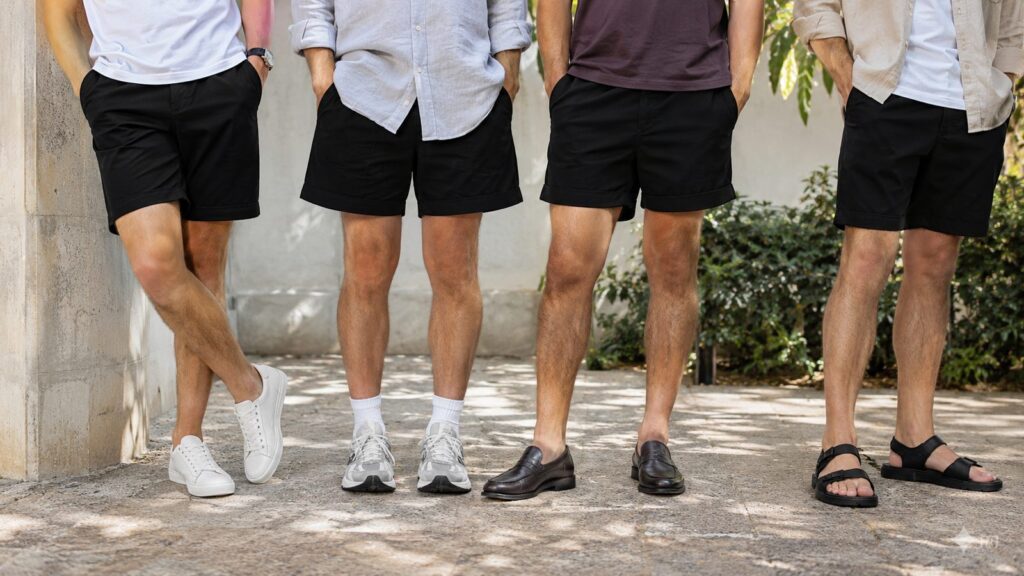
Low-profile sneakers create an easy casual combination without adding excessive visual weight. They work especially well with denim, cotton, and athletic cuts. Cleaner designs also pair comfortably with longer hems. Loafers and ballet flats can make tailored versions feel more intentional. They add structure while keeping the outfit lighter than a heavy boot. Slim sandals offer a similar effect during warmer weather. Boots can extend wear into early autumn when conditions remain mild. Keep the rest of the outfit seasonally appropriate with knitwear or a light jacket. Once snow or ice arrives, warmth and traction should take priority.
Can You Wear Them to Work?
Workplace suitability depends on the office rather than the garment alone. A longer tailored style may fit some smart-casual or creative workplaces. Short denim, athletic fabric, and distressed finishes are harder to position professionally. Keep the rest of the outfit polished when shorts are permitted. A blouse, blazer, loafers, or refined flats can create a clearer workwear direction. The hem should also provide enough coverage for your workplace expectations. Check your employer’s dress code before relying on them for regular office wear. StyleVanta’s Canadian business-casual guide explains how workplace expectations can vary by industry and employer. Use that context before building an office outfit.
Seven Easy Outfit Formulas
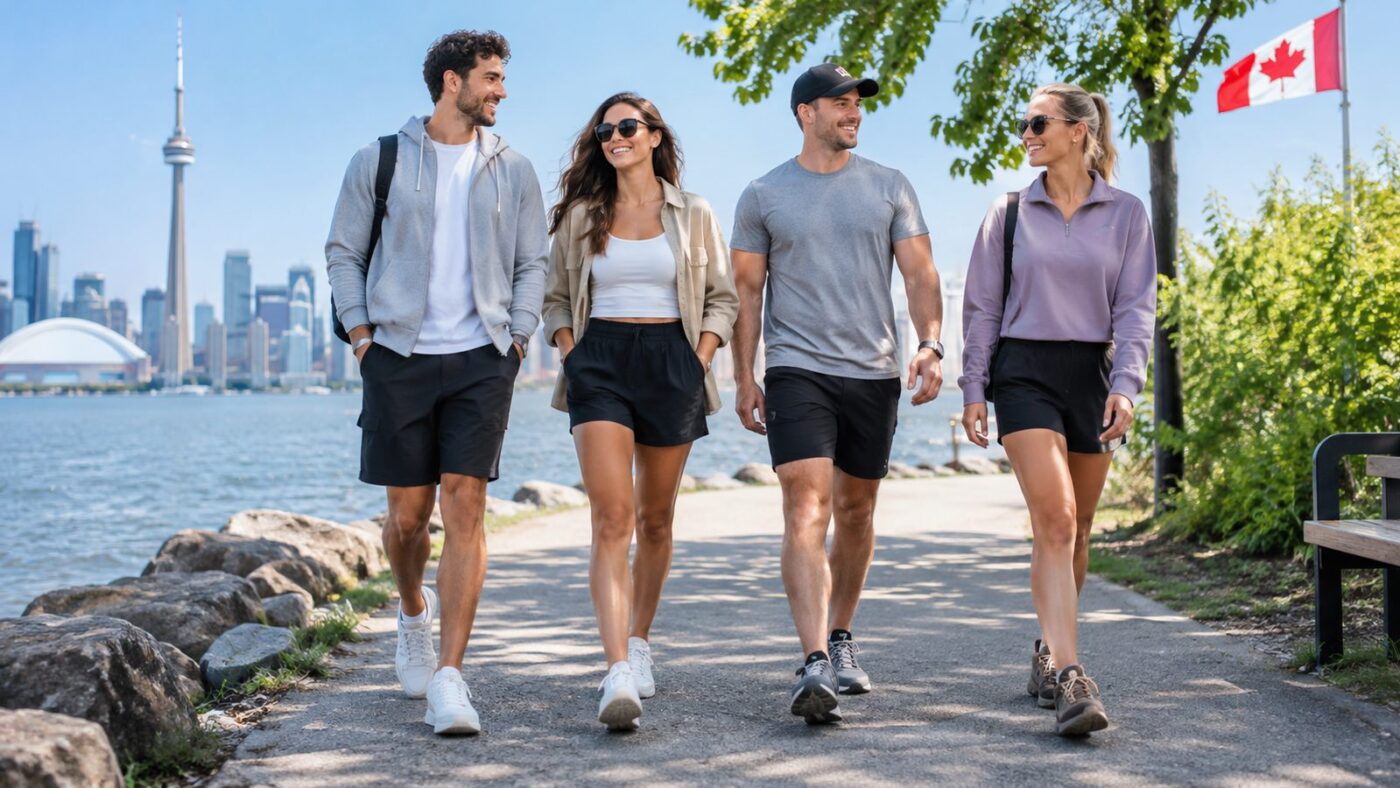
* Tailored pair + white button-front + loafers: polished for lunches, city days, or suitable workplaces. * Longline pair + fitted tank + ballet flats: simple proportions with a modern finish. * Denim pair + oversized T-shirt + sneakers: relaxed for errands, concerts, or casual weekends. * Linen-blend pair + sleeveless top + sandals: practical for warm afternoons and vacations. * Cotton twill pair + fine knit + loafers: useful during mild spring or early autumn days. * Athletic pair + clean tee + trainers: comfortable for walking, travel, or active plans. * Tailored pair + blouse + blazer: the dressiest option for dinners or smart-casual settings.
The easiest formula starts with the occasion before adding trend details. Choose footwear that matches the level of formality you need. Then use jewellery, a belt, or a bag to add personality. Colour also gives you room to change the mood. White, cream, grey, camel, red, burgundy, blue, and green can all pair cleanly. Prints work too because the dark base keeps the outfit grounded.
How to Shop More Carefully Online
Always check the garment measurements before choosing your size. Waist, rise, inseam, and leg opening reveal more than the model photograph alone. Compare those measurements against clothing you already own. Read the fabric composition and care instructions before ordering. A dry-clean-only tailored style may not suit someone wanting easy summer laundry. A linen blend may also wrinkle more than its product photographs suggest. Review the return policy before trying an unfamiliar cut. Shorts can fit differently across the waist, seat, thighs, and hem. Easy returns reduce the pressure to keep a pair that never feels right.
Make Them Work Beyond Summer
Early autumn gives you more layering options without hiding the entire outfit. Add a cardigan, blazer, trench, denim jacket, or fine sweater. Loafers and closed shoes can make the outfit feel more seasonal. Longer hems are easier to carry into transitional weather than tiny summer cuts. Current 2026 styling coverage has paired longer versions with structured layers and closed footwear. Still, weather conditions should determine when exposed legs stop being practical. You do not need to force a summer item through a Canadian winter. Seasonal versatility means extending useful wear when conditions allow. It does not mean sacrificing warmth, traction, or comfort.
Frequently Asked Questions
What should you wear with black shorts?
Start with simple tops such as white shirts, fitted tanks, tees, or lightweight knits. Match the footwear to the occasion and the hem length. Add a blazer or refined accessories when you want more polish.
What colours look good with a black pair?
White, cream, grey, beige, denim blue, burgundy, red, green, and soft pastels all work well. The neutral base can also support prints or stronger colours. Choose shades that already appear elsewhere in your wardrobe.
Are longer styles still fashionable in 2026?
Yes, longer and looser silhouettes have appeared prominently in current 2026 fashion coverage. Bermuda, tailored, and relaxed cuts are being worn with shirts, tanks, loafers, and jackets. Choose the version that suits your proportions rather than copying one exact outfit.
What material is best for hot Canadian weather?
Lightweight linen blends and breathable cotton are useful starting points. The weave, weight, and looseness of the garment also affect comfort. A thick cotton fabric can still feel warm despite its fibre content.
Can a dark pair work for business casual?
Sometimes, especially when the garment is tailored and reaches farther down the thigh. The workplace dress code remains the deciding factor. Pair it with polished tops and shoes when the setting allows shorts.
Should you choose a short or Bermuda-length hem?
Choose according to your comfort, proportions, and intended outfits. Shorter lengths feel more casual, while longer hems can look more polished. Test both styles with the shoes and tops you already wear.
Build Around Repeat Wear
The best purchase is usually the pair that solves several wardrobe needs. Start with fit, then judge the fabric, hem, and styling possibilities. Avoid buying a difficult silhouette because it looks striking in one photograph. For most Canadians, a clean cotton-twill or lightly tailored pair offers the easiest flexibility. Add denim, linen, or athletic options when your routine gives them a clear purpose. A versatile neutral should make getting dressed simpler, not create another styling problem. —