
This guide is general information, not medical advice. See a doctor if a piercing becomes red, swollen, hot or painful, or if you suspect a metal allergy.
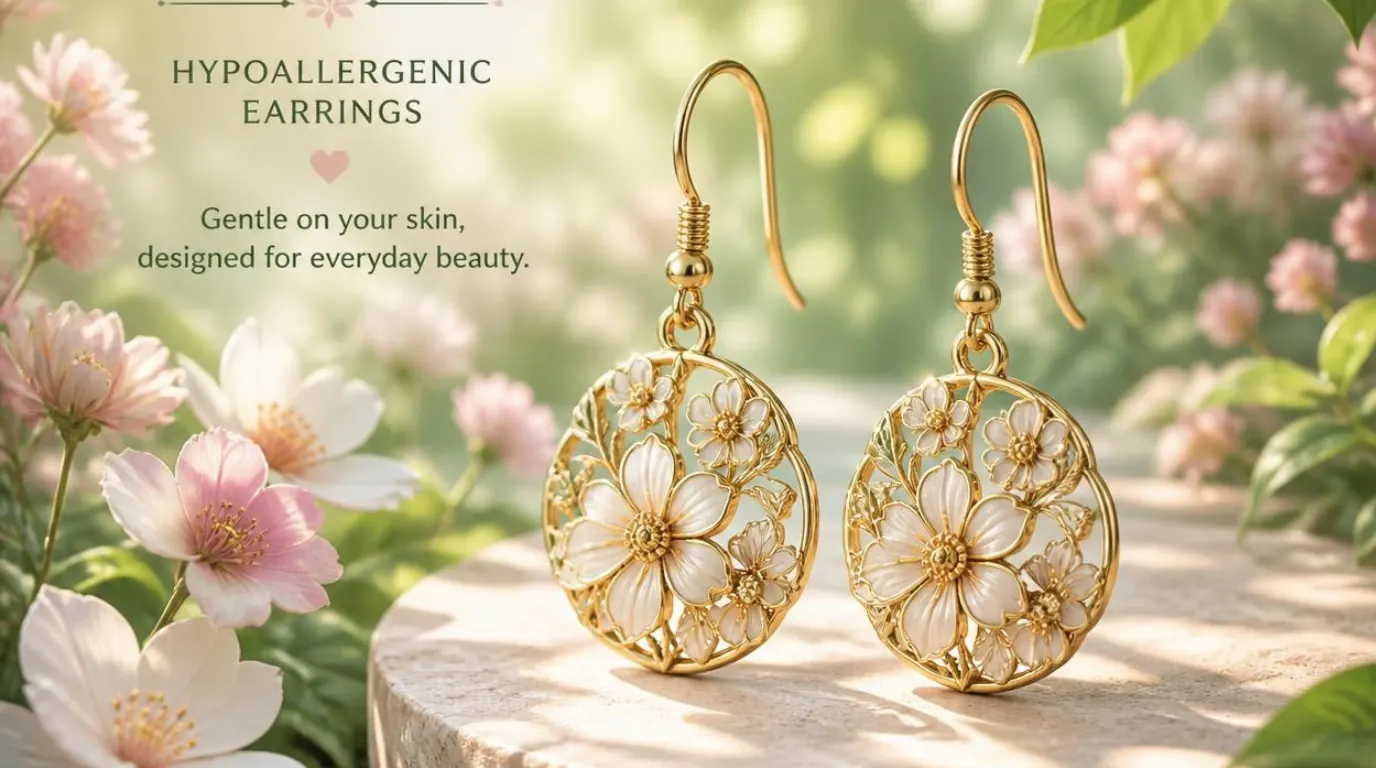
If ordinary jewelry leaves your lobes itchy, red, or sore, choosing hypoallergenic earrings can reduce exposure to metals that commonly cause reactions. The material matters more than the price or style. For sensitive ears, look closely at the post, backing, plating, and metal grade instead of relying on the front design alone.
For sensitive ears, prioritize clearly identified materials such as implant-grade titanium, niobium, suitable surgical-grade steel, platinum, or nickel-free solid gold. Nickel is a common cause of allergic contact dermatitis. If you already react to jewelry, material details and the metal touching your piercing deserve more attention than a broad “hypoallergenic” label.
| What to check | Practical buying guidance |
| Main concern | Nickel and other metals that may trigger contact dermatitis |
| Strong option for metal sensitivity | Implant-grade titanium |
| Other options | Niobium, suitable surgical-grade steel, platinum, nickel-free solid gold |
| Plated jewelry | Check the base metal because coatings can wear. |
| Fresh piercing | Use jewelry approved for healing piercings and follow your piercer’s advice. |
| Existing irritation | Remove the suspected piece and seek medical advice if symptoms persist or worsen. |
| Canadian shopping tip | Check the exact metal specification, return policy, and final CAD cost before ordering. |
What Makes Hypoallergenic Earrings Better for Sensitive Ears?
Here is the revised version with the main keyword “hypoallergenic earrings” used exactly once:
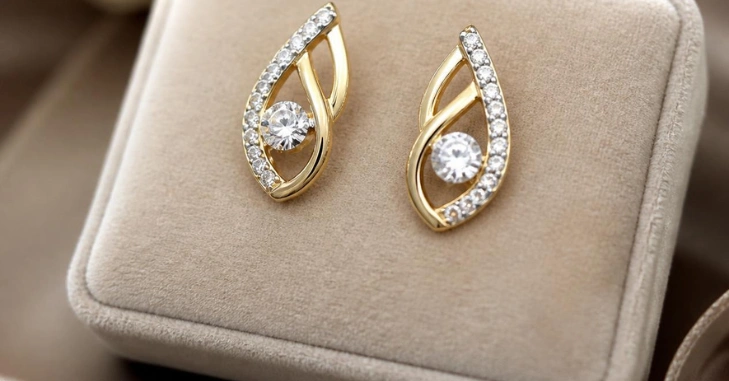
The word “hypoallergenic” is useful only when you know what the jewelry is made from. A stylish pair can still cause trouble if the post or backing contains a metal your skin reacts to. This is why checking the material is especially important when choosing hypoallergenic earrings.
Nickel deserves particular attention. The American Academy of Dermatology describes nickel as one of the most common causes of allergic contact dermatitis. Earlobes are also a common site of reaction because jewelry remains in direct contact with the skin for hours.
A reaction can include itching, redness, dry skin, tenderness, or a rash where the metal touches you. DermNet notes that jewelry reactions can also come from friction, trapped soap, dirt, or other materials. That means a sore piercing does not automatically prove a nickel allergy.
If reactions keep returning, a dermatologist can help identify the cause. Patch testing is commonly used when allergic contact dermatitis is suspected.
Which Materials Are Best for Sensitive Ears?
Material names can sound similar while offering different levels of reassurance. The table below makes the main choices easier to compare.
| Material | Sensitive-ear advantages | What to check | Best suited to |
| Implant-grade titanium | Lightweight and well-suited to people concerned about nickel sensitivity | Look for standards such as ASTM F136 or ASTM F67. | Strong first choice for metal-sensitive wearers |
| Niobium | It is used successfully in body jewelry and can be anodized in different colors. | Buy from a seller that clearly identifies the material. | People wanting a titanium alternative |
| Implant-grade stainless steel | Durable, smooth, and commonly used in professional piercing jewelry | Grade matters; steel can contain nickel. | Wearers who tolerate approved steel alloys |
| Solid nickel-free gold | Classic appearance and suitable options are available. | Confirm karat and alloy composition. | Fine-jewelry shoppers |
| Platinum | Inert and durable | Higher cost and heavier feel | Premium jewelry buyers |
| Gold-plated pieces | Broad choice of styles and lower prices | Find out what sits underneath the plating. | Healed piercings when the base metal is suitable |
The Canadian Professional Piercers Association identifies implant-grade titanium, implant-grade stainless steel, niobium, glass, and platinum among suitable materials for initial body jewelry. It also notes that stainless steel may not be ideal for everyone with nickel sensitivity.
Titanium: a strong starting point
Implant-grade titanium is a useful option when metal sensitivity is your main concern. The Association of Professional Piercers recommends specific certified titanium grades for initial piercings and notes that titanium is suitable for people concerned about nickel sensitivity.
Don’t assume every product described simply as “titanium” meets the same standard. For a fresh or troublesome piercing, look for an identified grade rather than a vague material claim.
Surgical steel: grade matters
“Surgical steel” is a broad description. Professional piercing guidance refers to specific standards, such as ASTM F138, rather than treating every steel alloy as interchangeable.
This distinction matters if you already know nickel causes problems for you. The Canadian Professional Piercers Association says implant-grade stainless steel is durable and corrosion-resistant, but it may not suit everyone with nickel sensitivity.
Gold and plated jewelry
Solid gold can be comfortable for many people, but the alloy matters. Gold is alloyed with other metals to create different colors and hardness levels.
DermNet explains that some white gold may contain nickel. It also notes that plating can eventually wear away, exposing the metal beneath. For sensitive ears, ask what the full piece contains. Check the post and backing as well as the visible decorative section.
Our Verdict: What Should You Choose?
For someone with a history of unexplained reactions, implant-grade titanium is our first material to investigate. It is lightweight, and professional piercing organizations recognize appropriate grades for initial jewelry. It is also specifically recommended for people concerned about nickel sensitivity.
Niobium is another strong option. Suitable implant-grade steel may work well if you tolerate it. Nickel-free solid gold and platinum can also make sense when you prefer fine jewelry and have a larger budget.
For a healed piercing with no history of metal reactions, you have more flexibility. You can compare style, weight, construction, price, and how often you plan to wear the piece. The key is to shop by material first and appearance second when comfort has been a problem.
How to Shop for Sensitive-Ear Jewelry in Canada
Canadian shoppers often see products described as sensitive-skin, nickel-safe, stainless-steel, gold-plated, or allergy-friendly. Those phrases can help narrow a search, but the detailed material description should make the final decision.
Before paying, check the post material, backing material, base metal beneath any coating, product dimensions, and return conditions. For an imported order, also review whether the displayed price is in Canadian dollars and whether taxes, shipping, or import charges are added later.
Price alone does not tell you whether a pair will suit your skin. Canadian listings currently range from inexpensive mass-market products to specialist titanium and surgical-steel jewelry. The material specification is a more useful point of comparison than the retail tier.
If you enjoy comparing jewelry with the rest of your wardrobe, StyleVanta’s 2026 Canadian jewelry trends guide can help you narrow down shapes and finishes that fit your style.
Studs, Hoops, or Drops: Does Style Affect Comfort?
Once the metal is suitable, weight and movement become important. Small studs are often easy to wear because they move less and place little pull on the lobe. Flat-back designs can also reduce pressure behind the ear when properly fitted.
Hoops can be comfortable, but size matters. Large or heavy designs put more force on the piercing. Lightweight huggies or smaller hoops may be easier for long wear. Drops and statement pieces create more movement. Reserve heavier designs for shorter periods if your lobes become tender after a full day.
This is also where personal style matters. Someone who prefers small, understated jewelry may enjoy the same design language found in delicate rings. StyleVanta’s promise ring guide offers useful examples of how metal color, scale, and everyday wear influence a jewelry choice.
What About Fresh Piercings?
A fresh piercing needs a different approach from an established one. The Canadian Professional Piercers Association recommends selecting initial jewelry based on healing, anatomy, fit, and appropriate materials. It identifies implant-grade titanium as a common choice and advises against changing initial jewelry too early without professional guidance.
The Association of Professional Piercers also stresses smooth surfaces, correct sizing, and appropriate construction. A piece that is too short can create pressure during swelling, while an oversized one may catch and move excessively.
If the piercing is new, ask a qualified piercer before replacing the original jewelry because of suspected irritation.
What to Do If Your Ears React
Stop wearing the suspected piece if you develop a recurring itchy or painful rash where the jewelry touches your skin. The American Academy of Dermatology recommends avoiding nickel exposure when a nickel allergy is present. A dermatologist can evaluate persistent or recurrent symptoms and may use patch testing when contact allergy is suspected.
Seek medical care if the area becomes increasingly painful, swollen, hot, or produces discharge, especially around a recent piercing. Allergy, irritation, and infection are distinct problems and may require different treatments.
Build a Jewelry Collection You Can Wear Comfortably
Comfortable jewelry starts with knowing which materials work for your skin. Once you understand that, you can focus on shape, color, size, and styling without repeatedly buying pairs that end up unworn.
Start by checking the metal that passes through your piercing and the backing that touches your ear. Compare clear specifications rather than broad product claims. Then choose the lightest, most practical style for how long you plan to wear it.
For more jewelry research, StyleVanta’s 5-carat diamond ring buying guide for Canada shows how material details, specifications, and total Canadian costs can change a purchase decision.
Conclusion
Finding the right hypoallergenic earrings in Canada is less about choosing the prettiest design and more about understanding what touches your skin. If ordinary earrings leave your ears itchy, red, swollen, or uncomfortable, start by examining the post, backing, coating, and base metal rather than relying only on a product description that says “hypoallergenic.”
For people concerned about nickel sensitivity, implant-grade titanium is one of the strongest materials to consider. Niobium, appropriate implant-grade stainless steel, platinum, and properly specified nickel-free solid gold can also be suitable choices depending on your individual sensitivity and the type of jewelry you want. The important point is to look for clear material specifications instead of assuming that every product labelled “surgical,” “medical,” “allergy-friendly,” or “hypoallergenic” has the same composition.
Frequently Asked Questions
What are the best hypoallergenic earrings for sensitive ears?
There is no single material that works for every person. Implant-grade titanium is a strong starting point for people concerned about nickel sensitivity. Niobium, suitable implant-grade steel, platinum, and properly alloyed nickel-free gold are other options worth considering.
Can surgical steel irritate sensitive ears?
It can. “Surgical steel” refers to various alloys, and some stainless steels contain nickel. Look for a specific implant-grade standard and consider titanium or niobium if nickel sensitivity is already known.
Is sterling silver safe for sensitive ears?
The American Academy of Dermatology lists pure sterling silver as a jewelry option for people avoiding nickel. Still, product composition can vary, particularly with plated or poorly documented pieces. Check the seller’s material information before buying.
Can gold-plated jewelry cause irritation?
Yes. A coating can wear over time, exposing the underlying metal. The post or backing may also use a different alloy from the decorative front. Check the base metal before choosing plated pieces for sensitive skin.
Why do my ears suddenly react to jewelry I used to wear?
A metal allergy can develop after prior exposure. DermNet notes that some people wear jewelry for years before developing allergic contact dermatitis. Friction, residue, or another skin condition may also cause irritation.
Should I change the jewelry in an irritated new piercing?
Not without professional guidance. For a fresh piercing, fit, swelling, material, and healing stage all matter. A professional piercer can determine whether changing or downsizing the jewelry is appropriate.