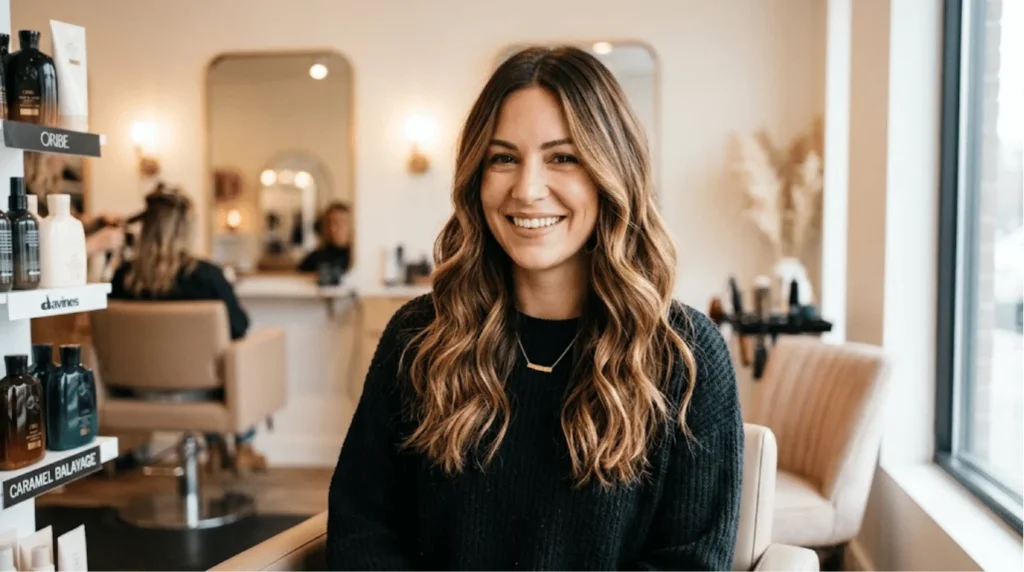


Braid hairstyles are one of the most versatile ways to style hair, offering everything from simple everyday looks to intricate protective styles that can last for weeks. Whether you want a polished braid for work, a relaxed style for the weekend, or a protective option for Canada’s dry winters and humid summers, there is a braid to suit almost every hair type, length, and occasion.
Braids can be sleek, romantic, bold, playful, or practical. Classic French braids remain timeless, while knotless braids, cornrows, Dutch braids, braided ponytails, and boho-inspired styles offer more modern options. The best choice depends on your hair texture, styling experience, desired maintenance level, and how long you want the hairstyle to last.
This guide explores popular braid hairstyles, how to choose the right style, maintenance tips, ideas for different hair lengths, and ways to keep braided hair looking healthy.
What Are Braid Hairstyles?
Braid hairstyles are created by weaving sections of hair together in a repeated pattern. The simplest braid uses three sections, but more elaborate styles may involve several strands, extensions, intricate parting patterns, or combinations of braids and loose hair.
Some braids are designed primarily for appearance, while others can serve as protective styles by keeping the ends of the hair tucked away and reducing frequent manipulation.
Braiding can work on straight, wavy, curly, and coily hair. The final appearance varies according to hair texture, thickness, length, and the braiding technique used.
Most Popular Braid Hairstyles
There are dozens of ways to wear braids, ranging from easy styles that take a few minutes to elaborate looks that may require a professional braider.
French Braids
The French braid is one of the most recognizable braid hairstyles. Hair is gradually added to three sections as the braid travels from the crown toward the ends.
A single French braid creates a classic, polished look, while two French braids offer a sportier style. French braids can also be incorporated into half-up hairstyles, buns, and ponytails.
This style works especially well for medium and long hair.
Dutch Braids
Dutch braids use a technique similar to French braiding, except the strands are crossed underneath rather than over one another. This makes the braid appear raised above the hair’s surface.
Dutch braids are an excellent choice when you want the braid itself to stand out. Two Dutch braids are particularly popular for workouts, travel, festivals, and casual everyday styling.
Box Braids
Box braids are individual braids typically created from neatly sectioned portions of hair. Extensions can be added to increase length, volume, or both. They can be worn long or short and styled into ponytails, buns, half-up looks, and other arrangements.
Because box braids can remain in place for an extended period, keeping the scalp clean and maintaining adequate moisture are important parts of the routine.
Knotless Braids
Knotless braids create a look similar to traditional box braids but usually start with the natural hair, with extension hair gradually incorporated.
The technique can create a flatter, more natural-looking base around the scalp. Many people also prefer the lightweight appearance and flexible styling possibilities of knotless braids. They are available in sizes ranging from small, delicate braids to large statement braids.
Cornrows
Cornrows are braided close to the scalp in continuous rows. They can be created in straight lines or formed into curved, geometric, and artistic patterns.
Cornrows may be worn alone or used as a foundation for wigs, crochet styles, ponytails, and other protective hairstyles. Straight-back cornrows create a clean minimalist appearance, while patterned designs provide more visual impact.
Fishtail Braids
A fishtail braid creates a detailed woven appearance using two main sections of hair. Small pieces are moved alternately from one side to the other until the braid is completed.
Although the finished hairstyle looks intricate, the technique becomes relatively simple with practice. Loose fishtail braids are particularly attractive for weddings, dinners, vacations, and relaxed summer outfits.
Crown Braids
A crown braid wraps around the head to create a halo-like shape. Depending on the technique, it may be created with a single long braid or multiple braids pinned into place.
Crown braids pair beautifully with dresses and formal outfits but can also work as practical everyday hairstyles. Pulling out a few soft face-framing strands can make the finished look feel more relaxed.
Waterfall Braids
Waterfall braids allow sections of hair to fall through the braid, creating a cascading effect. They are usually worn with the remaining hair loose and work particularly well with waves or curls.
Waterfall braids are popular for weddings, graduations, date nights, and other occasions when you want something more decorative than an everyday braid.
Braided Ponytails
A braided ponytail combines two highly practical hairstyles. The hair may be braided before forming the ponytail, or the ponytail itself can be turned into one long braid.
High braided ponytails create a dramatic appearance, while low versions tend to look more polished and understated.
Braided Buns
Braided buns offer an elegant way to keep hair completely off the neck and shoulders. A simple option is to create a ponytail, braid it, and wrap the braid around its base. More elaborate versions may feature cornrows or multiple braids leading into the bun. This style works especially well for formal occasions, professional settings, and warmer weather.
Braid Hairstyles for Long Hair
Long hair offers plenty of room for experimenting with different braided styles. French braids, Dutch braids, fishtails, rope braids, crown braids, bubble-braid combinations, and oversized braided ponytails can all beautifully showcase longer lengths.
For a relaxed look, try creating one loose side braid and gently pulling apart sections after securing it. This technique, sometimes called pancaking the braid, can make it appear fuller.
Long hair is also ideal for combining several techniques. For example, small face-framing braids can transition into a large low ponytail or bun.
Braid Hairstyles for Medium-Length Hair
Medium hair is long enough for many popular braid hairstyles without becoming difficult to manage. Good options include double Dutch braids, French braids, half-up braided styles, braided crowns, low braided buns, and side braids.
If shorter layers tend to escape, a small amount of styling cream or lightweight gel can provide better control. Hairpins can also secure sections around the nape or sides of the head without dramatically changing the appearance of the finished braid.
Braid Hairstyles for Short Hair
Short hair can still be braided as long as there is enough length to cross small sections over one another. Instead of attempting a single large braid, concentrate on smaller sections.
Mini Dutch braids along the hairline, braided bangs, side braids, half-up braids, and tiny accent braids can work especially well with bob-length hair.
Cornrows can also be suitable for shorter textured hair because they are formed close to the scalp rather than relying on considerable hanging length.
Braid Hairstyles for Curly Hair
Curly hair naturally adds texture and volume to braids. Loose braids can emphasize curl patterns while creating a soft, effortless appearance. Curly ponytails paired with braided sections around the crown can also create striking contrast.
For more defined braids, gently detangle the hair before styling. Leave-in conditioner can provide additional slip and reduce unnecessary pulling.
Avoid repeatedly brushing dry curls before braiding because excessive manipulation can encourage frizz and breakage.
Braid Hairstyles for Coily Hair
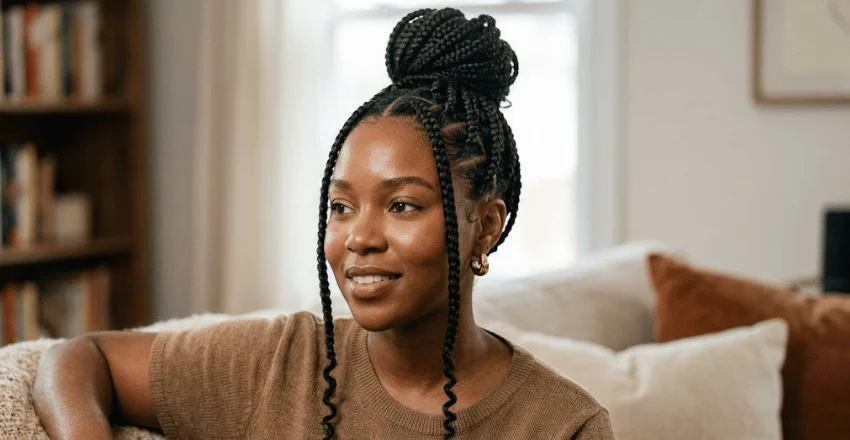
Braids are especially versatile for coily and tightly textured hair. Box braids, knotless braids, cornrows, feed-in braids, Fulani-inspired styles, braided buns, and braided ponytails are among the many possibilities.
Protective braiding can reduce daily manipulation, but a protective hairstyle should still feel comfortable. Braids that create persistent pulling, headaches, bumps, or soreness around the scalp are too tight and should be loosened or removed.
Braid Hairstyles for Straight Hair
Straight hair creates smooth, defined braids, although silky strands sometimes slip more easily. Texturizing spray, mousse, or a light styling product can provide additional grip before braiding.
Dutch braids and fishtail braids tend to stand out particularly well on straight hair because their construction remains highly visible. Gently loosening the finished braid can add volume if the hair is fine.
Easy Braid Hairstyles for Beginners
Not every braided hairstyle requires advanced technique. A basic three-strand braid is usually the best starting point. Once that feels comfortable, you can practise French and Dutch braiding.
Beginner-friendly options include:
- Classic three-strand braids
- Low braided ponytails
- Side braids
- Two simple pigtail braids
- Half-up braids
- Braided buns
- Small face-framing accent braids
When learning, practise on slightly damp or second-day hair, as freshly washed, silky hair may be more difficult to control.
Protective Braid Hairstyles
Protective braid hairstyles are intended to reduce manipulation and help shield fragile ends from frequent styling. Popular options include cornrows, box braids, knotless braids, braided buns, and certain feed-in styles.
However, simply wearing braids does not automatically make a hairstyle protective. Healthy installation and maintenance matter. The hair should not be braided excessively tightly, and the scalp should remain accessible enough for comfortable cleansing and care.
Braid Hairstyles for Canadian Winters
Canadian winters can be challenging for hair because cold outdoor air, combined with heated indoor environments, can leave strands feeling dry. Braids can be convenient in winter because they reduce the need for frequent styling and fit easily beneath many winter accessories.
Choose hairstyles that are not excessively bulky if you regularly wear toques, hoods, or scarves. A lightweight leave-in conditioner can help maintain moisture before braiding, while satin- or silk-lined winter hats may help reduce friction. Avoid placing a tight winter hat over freshly installed braids if it creates uncomfortable pressure on the scalp.
Braid Hairstyles for Summer
Braids are equally useful during warm Canadian summers. They keep hair away from the face and neck while making it easier to manage during beach days, festivals, road trips, outdoor activities, and humid weather.
Braided ponytails, cornrows, Dutch braids, box braids, and braided buns are practical summer choices. If swimming regularly, rinse hair after exposure to chlorinated or salt water and avoid leaving the scalp damp for prolonged periods.
Braids for Work and Professional Settings
Braids can look polished enough for many professional environments. A low braided bun creates a particularly refined appearance. Other options include a smooth French braid, low braided ponytail, crown braid, or neatly styled knotless braids. Keeping flyaways controlled and the overall shape tidy can give almost any braid a more professional finish.
Braid Hairstyles for Weddings
Braids are frequently incorporated into bridal and wedding-guest hairstyles because they add texture without creating an overly complicated look. Loose crown braids, braided chignons, side fishtail braids, and half-up braided hairstyles all work beautifully.
For a softer effect, a stylist can leave several face-framing pieces loose and add waves throughout the rest of the hair. Decorative pins, pearls, small flowers, or understated accessories can also be incorporated depending on the overall outfit.
Braid Hairstyles for School
Braids can be practical for busy school mornings because many styles keep hair secure throughout the day. Double French braids, Dutch braids, braided ponytails, pigtail braids, and small accent braids are easy choices.
For younger children, comfort should take priority. Hair elastics should not be excessively tight, and styles that pull on the scalp should be adjusted.
Braids for Sports and Workouts
Braids are particularly useful for physical activity because they help control movement and keep hair away from the face. Two Dutch or French braids are popular because they distribute the hair evenly rather than placing all the weight in a single ponytail.
A single braided ponytail can also work well for running or gym workouts. For high-impact sports, secure the ends carefully so the braids do not come loose during movement.
How to Make Braids Look Fuller
Fine hair does not mean you cannot create voluminous braids. After securing the braid, gently pull outward on each woven section. Start near the bottom and work upward gradually.
Avoid pulling too aggressively because the braid may lose its structure. You can also begin with loose waves or apply a texturizing product before styling to create additional grip and fullness.
How to Prevent Frizz in Braids
Some frizz is completely normal, particularly after braids have been worn for several days. Starting with properly detangled hair can help produce a cleaner braid. A lightweight mousse, cream, or gel can smooth shorter strands during styling.
At night, covering braided hair with a satin or silk scarf or bonnet may help reduce friction. If you have loose braids rather than long-term protective braids, sleeping on a satin or silk pillowcase can provide similar benefits.
How to Sleep With Braids
The best nighttime routine depends on the type of braids you are wearing. Long box or knotless braids can usually be gathered loosely before sleeping. Avoid fastening them into an extremely tight bun because unnecessary tension may place stress on the hairline.
A satin or silk bonnet, scarf, or pillowcase can help reduce friction and preserve the appearance of the braids. Make sure the scalp and braids are reasonably dry before going to sleep, particularly after washing.
How to Wash Braided Hair
Long-term braids do not eliminate the need for scalp care. Focus shampoo primarily on the scalp and roots. Use your fingertips rather than scratching with your nails, and rinse thoroughly.
Avoid aggressively rubbing the length of the braids, as this may cause excessive frizz. After washing, allow the hair and scalp to dry thoroughly. Braids hold more water than loose hair, so drying may take additional time.
How Long Should You Keep Braids In?
How long braids can comfortably remain installed depends on the style, hair condition, scalp health, installation technique, and individual maintenance routine.
Simple French or Dutch braids are usually temporary styles. Box braids, knotless braids, and cornrows may be worn considerably longer.
Do not keep a style simply because it still looks acceptable. Significant new growth, matting, persistent itching, product buildup, discomfort, or excessive frizz can all indicate that it is time to remove the braids.
Can Braids Damage Hair?
Braids themselves are not necessarily damaging, but poor technique can cause problems. Excessive tension is one of the biggest concerns. Very tight braids can stress the scalp and hairline, especially when the hairstyle is heavy or worn repeatedly.
Braiding already damaged or extremely fragile hair can also increase breakage. Choose a comfortable level of tension and avoid repeatedly styling the exact same areas under stress.
How to Prepare Hair Before Braiding
Good preparation can make the finished hairstyle easier to manage and more comfortable to wear. Start with clean hair whenever possible. Detangle carefully from the ends toward the roots and apply products appropriate for your hair texture.
Hair should generally be fully or mostly dry before installing long-term protective braids unless the specific technique requires otherwise. Make sure the hair is adequately moisturized without applying so much heavy product that buildup develops immediately.
Choosing the Right Braid Size
Braid size affects appearance, installation time, weight, and maintenance. Small braids create more individual movement and styling flexibility but generally take longer to install and remove. Medium braids offer a balance between versatility and convenience.
Large or jumbo braids make a stronger visual statement and are often faster to install, although fewer braids mean the section sizes and tension should still be carefully considered. The best size depends partly on the density and strength of your natural hair.
Braid Hairstyles With Extensions
Extensions can transform the length, fullness, and overall shape of many braided hairstyles. Synthetic braiding hair is commonly used for box braids, knotless braids, feed-in braids, and long braided ponytails.
When choosing extensions, consider the total weight as well as the desired length. Extremely long or heavy extensions can place additional tension on the scalp and natural hair. A professional braider can help determine an appropriate amount for your natural hair density.
Braided Hairstyles Without Extensions
Extensions are not required to create attractive braids. Natural-hair French braids, Dutch braids, cornrows, fishtails, braided ponytails, milkmaid braids, and crown braids can all be created without adding hair.
These styles tend to feel lighter and can be easier to wash and remove. They are also useful when you want to experiment with a new braid technique before committing to a longer-lasting installation.
Trendy Braid Hairstyle Ideas
Modern braid hairstyles increasingly combine traditional techniques with softer textures and personalized details. Boho braids mix braided sections with loose curls. Bubble elements can be combined with conventional braids for more texture. Small face-framing braids pair well with loose waves, while oversized braided ponytails make a dramatic statement.
Another popular approach is mixing braid sizes. Tiny accent braids alongside larger sections can create additional dimension without making the overall hairstyle overly complicated.
Accessories for Braided Hairstyles
Hair accessories can completely change the appearance of a simple braid. Small cuffs, ribbons, decorative pins, beads, scarves, bows, and subtle metallic details can all be incorporated.
For formal occasions, understated accessories generally create a more polished result. For festivals and casual summer styling, colourful ribbons or decorative braid details can produce a more playful effect. Avoid accessories with rough edges that can snag or cut the hair.
How to Choose the Best Braid Hairstyle
The best braid hairstyle should suit your hair, schedule, lifestyle, and desired appearance. Consider your hair length and texture first. Then decide whether you want a temporary hairstyle for one day or a protective style that lasts longer.
Think about your normal routine as well. Someone who exercises frequently may prefer secure Dutch braids or cornrows, while someone preparing for a wedding may want a softer crown braid or braided updo.
Comfort should always remain a priority. A beautiful braid should not require constant pulling or scalp discomfort.
Final Thoughts
Braid hairstyles offer an impressive combination of beauty, versatility, and practicality. From simple three-strand braids and polished French styles to knotless braids, cornrows, braided buns, and modern boho looks, there is an option for virtually every hair length and texture.
For Canadians, braids can be especially practical throughout the changing seasons. Secure braids can simplify humid summer days, while protective styling and proper moisture care can help make winter hair routines easier.
The key is choosing a style that complements your hair while remaining comfortable. Keep tension reasonable, maintain your scalp, protect braids while sleeping, and avoid leaving long-term styles installed past the point when your hair needs cleansing, detangling, or a break.
With the right technique and care routine, braids can move effortlessly from casual everyday styling to weddings, work, workouts, vacations, and special occasions.
Frequently Asked Questions About Braid Hairstyles
What is the easiest braid hairstyle?
A traditional three-strand braid is generally the easiest technique for beginners. Once you become comfortable with it, French and Dutch braids are natural techniques to learn next.
Which braids are best for everyday wear?
French braids, Dutch braids, braided ponytails, simple side braids, and half-up braids are practical everyday options because they are relatively easy to create and maintain.
Are braids good for winter?
Braids can be convenient during Canadian winters because they reduce daily manipulation and can help keep hair contained beneath winter clothing. Proper moisture and protection from friction are still important.
Can short hair be braided?
Yes. Short hair can be styled into small cornrows, hairline braids, side braids, braided bangs, or half-up braided designs as long as there is enough length to hold the technique.
Can you braid wet hair?
Some temporary styles can be created on damp hair, but repeatedly braiding soaking-wet hair may place unnecessary stress on strands. For long-term protective styles, properly prepared and adequately dried hair is usually preferable.
How do I stop braids from hurting?
Braids should not cause significant pain. If you experience persistent soreness, headaches, bumps, or intense pulling around the hairline, the style may be too tight. Loosening or removing the affected braids can reduce tension.
Which braid hairstyle is best for fine hair?
Loose French braids, Dutch braids, fishtails, and gently expanded three-strand braids can work beautifully with fine hair. Keeping tension moderate and avoiding excessively heavy extensions is important.
What is the difference between French and Dutch braids?
A French braid crosses sections over the centre, creating a braid that sits more smoothly against the head. A Dutch braid crosses sections underneath, making the braid appear raised and more prominent.