
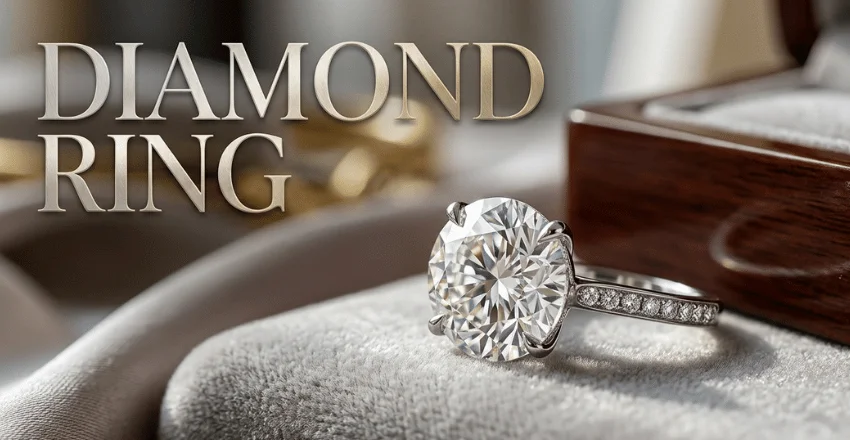
Buying a diamond ring can feel complicated because carat, cut, colour, clarity, origin, shape, metal, and setting all affect the final choice. Canadian shoppers also need to think about pricing in Canadian dollars, taxes, sizing, return terms, and certification.
The simplest approach is to start with your budget and the look you want. Then compare stone quality, natural and laboratory-grown options, setting security, and the full purchase cost before deciding.
Choose the stone for visible beauty rather than the highest grades on paper. Prioritize cut, compare natural and laboratory-grown options, check an independent grading report, and choose a secure setting. Canadian buyers should also confirm the final price in CAD, taxes, resizing terms, returns, shipping, and warranty coverage before paying.
| What to compare | Why it matters |
|---|---|
| Cut | Strongly affects brightness, sparkle, and visual appeal |
| Carat | Measures weight, but doesn’t determine visible size by itself |
| Colour | Influences how white or warm a colourless stone appears |
| Clarity | Describes internal and external characteristics |
| Natural vs. laboratory-grown | Changes origin, rarity, and purchase price |
| Shape | Changes style, finger coverage, and visual proportions |
| Setting | Affects security, comfort, maintenance, and appearance |
| Grading report | Helps verify the specifications being sold |
| Final Canadian cost | May include taxes, shipping, sizing, insurance, or other charges |
How to Choose a Diamond Ring in 8 Practical Steps
1. Set the total budget before comparing carat sizes
Start with the amount you can spend comfortably. Your budget should cover the centre stone, setting, taxes, sizing, and any delivery or service costs.
Avoid building the purchase around an arbitrary salary rule. A meaningful piece of jewellery doesn’t need to create financial strain.
A fixed budget also makes comparisons easier. You can see whether paying for greater carat weight, a higher colour grade, or a more detailed setting gives you the result you value most.
2. Understand what the 4Cs tell you
The Canadian Jewellers Association identifies cut, colour, clarity, and carat as the four core characteristics used when assessing diamonds.
Carat measures weight. One carat equals 200 milligrams. Two stones with the same weight can still look different in size because their shapes and proportions differ.
Colour grades describe the amount of visible body colour in colourless stones. Clarity grades reflect inclusions and surface characteristics. Cut quality relates to how well a stone has been shaped and proportioned.
For most buyers, visible appearance should matter more than chasing the highest possible grade in every category.
3. Put cut quality ahead of impressive paperwork
A large stone can disappoint if its proportions reduce brightness or create an unattractive pattern. Round brilliant stones receive detailed cut grades from major grading laboratories. Fancy shapes require more visual comparison because their proportions and facet patterns vary widely.
Look at clear videos when shopping online. Compare brightness, dark areas, symmetry, outline, and the stone’s performance as it moves.
A well-balanced smaller stone can look more appealing than a heavier option chosen mainly for its carat number.
4. Decide between natural and laboratory-grown
Both choices can suit an engagement, an anniversary, a milestone, or a personal purchase. Their most important difference is origin.
Natural stones form through geological processes. Laboratory-grown stones are produced under controlled conditions using technology.
Canadian guidance also stresses clear terminology so consumers understand which type they’re purchasing. An independent report can help document origin and quality.
| Factor | Natural | Laboratory-grown |
|---|---|---|
| Origin | Geological formation | Controlled production |
| Main appeal | Natural rarity and provenance | More size or grade flexibility for a set budget |
| Appearance | Depends on individual quality | Depends on individual quality |
| Price relationship | Usually higher for comparable specifications | Usually lower for comparable specifications |
| Best for | Buyers who place value on natural origin | Buyers who prioritize purchase value and visual size |
Natural option pros: geological rarity, established tradition, and provenance may carry personal value.
Natural option cons: comparable specifications can require a substantially larger budget.
Laboratory-grown option pros: your budget can often reach a larger stone or higher stated specifications.
Laboratory-grown option cons: pricing has changed quickly, and buyers who value geological rarity may prefer a natural stone.
Verdict: Neither origin is automatically right for every buyer. Choose natural if geological origin is part of the meaning of the purchase. Choose laboratory-grown when visible size and specifications for the available budget matter more.
For an example of how dramatically origin can affect large-stone pricing, read StyleVanta’s 5-carat buying guide for Canadian shoppers.
5. Choose shape for appearance, not trend alone
Shape has a major effect on how jewellery looks on the hand. Round brilliant designs provide a classic, symmetrical appearance. Oval, pear, and marquise shapes create extra visual length. Emerald cuts have broad step facets and a cleaner geometric look. Cushion and radiant shapes combine softer or rectangular outlines with lively faceting.
Longer shapes may offer more finger coverage at the same carat weight. Their proportions still vary from stone to stone, so compare actual millimetre measurements.
Consider the wearer’s existing jewellery too. Someone who prefers simple pieces may enjoy a solitaire. A person drawn to bold fashion may prefer an elongated centre, a halo, a coloured centre, or a detailed band.
Colour lovers can also explore StyleVanta’s yellow diamond guide to understand fancy colour, saturation, certification, and setting choices.
6. Match the setting to daily life
The setting is more than decoration. It determines how the centre is supported and how the piece feels during regular wear. A classic prong setting exposes more of the stone. A bezel surrounds more of its edge and can provide extra protection. Halo designs add surrounding stones, while three-stone settings create a broader look.
Think about work, exercise, gloves, clothing, hobbies, and how often the wearer uses their hands. Higher profiles can catch on fabric more easily. Fine bands may look delicate, but structural support still matters. Pointed shapes, such as pear and marquise, also benefit from protection at their vulnerable tips.
If the jewellery marks a commitment before engagement, StyleVanta’s promise ring meaning and style guide can help clarify design and symbolism.
7. Check the grading report before paying
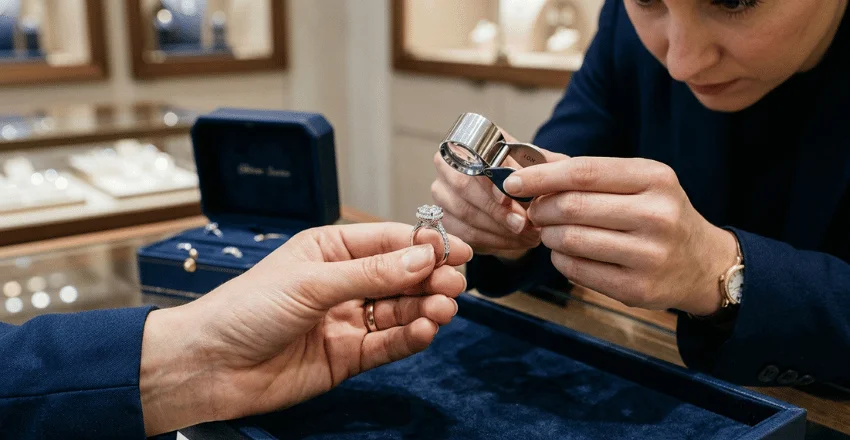
A reputable independent report helps confirm the characteristics attached to the stone. Check the issuing laboratory, report number, measurements, weight, colour or applicable quality classification, clarity information, and origin disclosure. When a verification service is available, confirm the report number directly with the laboratory.
Don’t treat a grading report as a beauty score. Two stones with similar specifications can still look different because proportions, facet patterns, and inclusions vary. The report should support your visual evaluation, not replace it.
8. Calculate the full Canadian purchase cost
A listed stone price may not equal the final amount you spend.
Before checkout, confirm the following details.
- whether the price is stated in Canadian dollars;
- applicable GST, HST, PST, or QST;
- whether the setting is included;
- shipping and insurance terms;
- possible import costs for cross-border purchases;
- resizing policies;
- return or exchange conditions; and
- warranty or repair coverage.
Compare the landed cost of each option rather than the first number on a product page.
This step matters most when comparing a Canadian seller with an international retailer. Exchange rates, tax treatment, shipping, and after-sale service can change the practical value of an offer.
How Much Should You Spend?
There is no single correct amount. Diamond jewellery ranges from modest pieces to six-figure natural centre stones. Size, origin, quality, metal, brand, craftsmanship, and design all affect price.
Instead of asking what other people spend, decide what qualities you refuse to compromise on.
A useful priority order for many buyers is:
- comfortable total budget;
- attractive cut and proportions;
- preferred shape;
- secure setting;
- acceptable colour and clarity;
- desired carat weight.
Changing that order is fine when another factor has personal meaning. Someone may place natural origin first. Another buyer may care most about a large oval centre. The goal is to spend deliberately rather than paying for specifications you don’t notice.
Don’t Forget Ring Size and Comfort
An impressive centre stone won’t compensate for poor fit. Canadian jewellers commonly use North American numerical sizing. Fingers can change slightly with temperature, activity, and time of day, so measure more than once when possible.
Band width affects fit too. Wider bands can feel tighter than narrow ones in the same nominal size.
Ask about resizing before buying. Eternity bands, detailed pavé designs, and certain custom settings can be harder to resize than simple bands.
If you’re still deciding what type of symbolic ring suits the occasion, StyleVanta’s promise jewellery guide offers a useful comparison with engagement traditions.
A Simple Canadian Buyer’s Verdict
Start with your budget, then choose the look. Spend first on features you can see: attractive proportions, a shape you love, balanced colour, eye-clean clarity, and a setting suited to daily wear.
Natural stones make sense when rarity and geological origin carry personal value. Laboratory-grown options can make sense when your priority is maximizing visual impact within a fixed budget.
In either case, verify the paperwork, understand the return terms, compare the full Canadian cost, and see the actual stone whenever possible.
For shoppers considering a coloured centre instead, StyleVanta’s opal ring guide for Canadians covers durability, setting options, and practical wear considerations for this popular gemstone.
Choose With Confidence, Not Pressure
The right ring isn’t the one with the largest number on its grading report. It’s the one whose appearance, meaning, quality, comfort, and cost make sense for the person wearing it.
Compare several stones before deciding. Check the report. Study the setting. Calculate the complete cost. Then choose the piece you’ll be happy to see on your hand long after the shopping process is over.
Frequently Asked Questions
How much should I spend on a diamond ring?
Spend an amount that fits comfortably within your finances after accounting for the entire purchase. There is no universal salary rule you need to follow. Set a total budget first, then decide which combination of size, origin, quality, and setting gives you the appearance and meaning you want.
Is cut more important than carat?
They describe different things, but cut and proportions have a major influence on visible beauty. Carat measures weight. A heavier stone isn’t automatically brighter or more attractive, so don’t choose by weight alone.
Is a laboratory-grown stone a real diamond?
Laboratory-grown and natural stones have substantially the same fundamental material and optical properties, but they have different origins. Canadian consumer guidance calls for clear disclosure so shoppers understand which category they are purchasing.
Which shape looks largest?
Elongated shapes such as oval, pear, and marquise can create greater visible finger coverage than some round stones of equal weight. Exact measurements and proportions matter more than shape names alone.
Do I need a grading report?
For a significant purchase, independent grading documentation is a sensible safeguard. It helps confirm the specifications, measurements, weight, and origin represented by the seller.
What is the safest setting for everyday wear?
There isn’t one universal answer. Bezel and well-designed prong settings can both work for regular wear. The better choice depends on centre shape, profile, band construction, lifestyle, and how much edge protection you want.
Should I buy online or from a local jeweller?
Both routes can work. Online shopping can offer a broad selection and easy comparison. In-person shopping makes it easier to inspect stones and settings directly. Compare return policies, grading documentation, resizing, warranty support, final Canadian cost, and service after the sale.