
This guide is general information, not medical advice. See a doctor or dermatologist if scalp itching, flaking or irritation persists or gets worse.
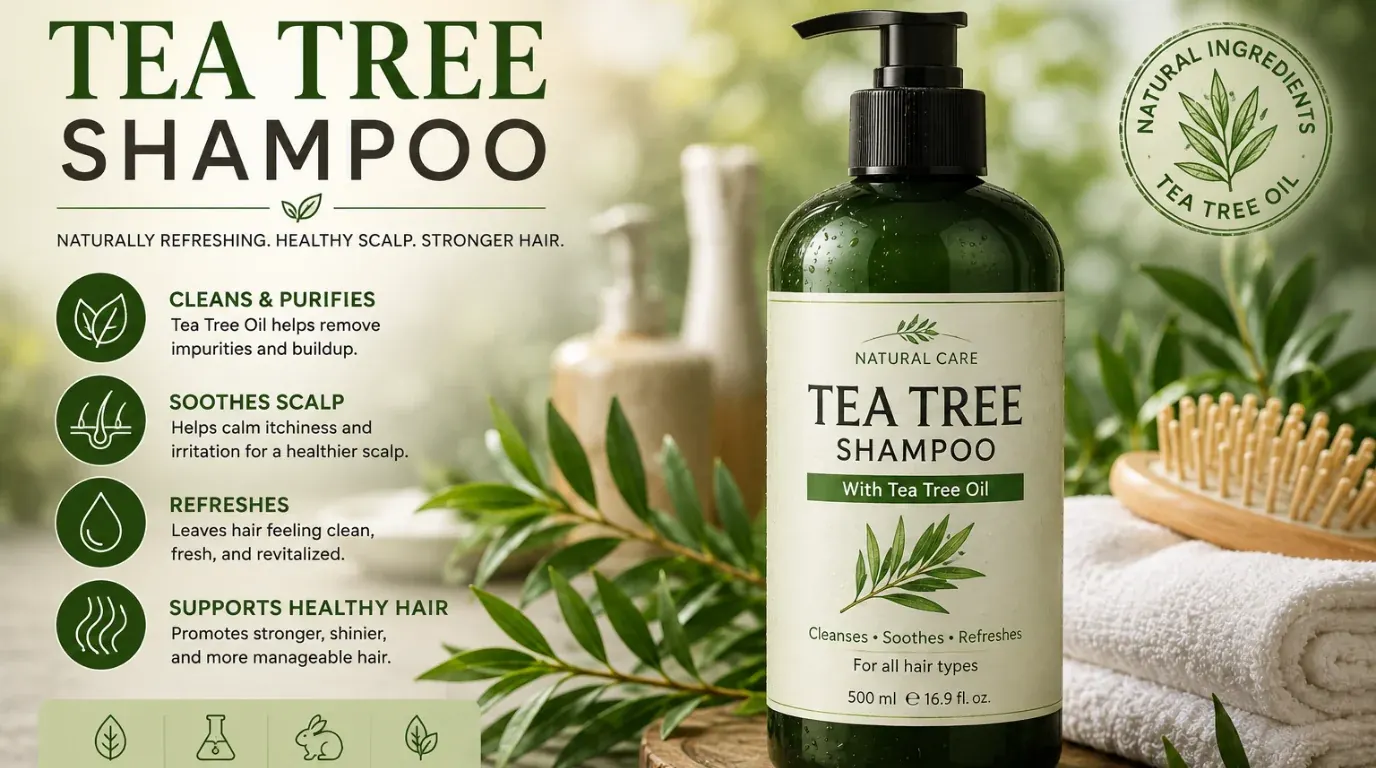
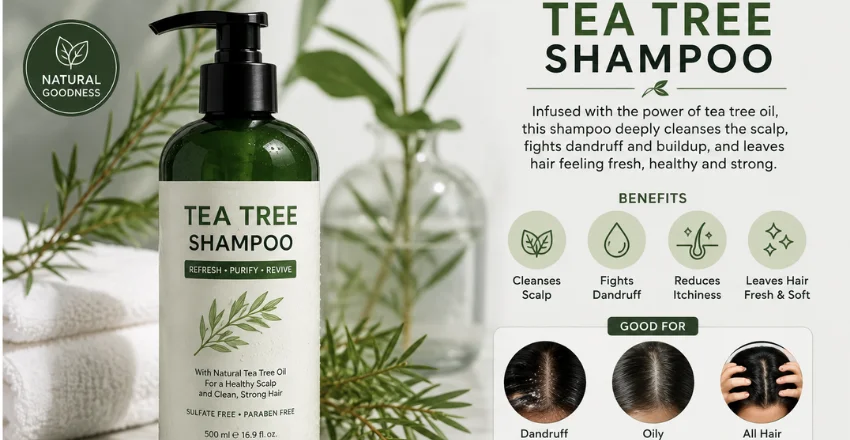
Tea tree shampoo can be useful for oily, itchy, or flaky scalps, but the right formula depends on the cause. For dandruff, choose a product with a proven anti-dandruff active ingredient. For routine cleansing, pick a milder formula matched to your hair type and tolerance of fragrance, menthol, and essential oils.
StyleVanta has not independently tested the products below. The picks are based on current Canadian pricing and availability, ingredient lists, product positioning, and published evidence on scalp care. Prices checked on August 23, 2026, are subject to change.
| Product: Tea Tree Shampoo | Best fit | Key feature | Size | Canadian price checked |
|---|---|---|---|---|
| Head & Shoulders Tea Tree Oil | Dandruff + value | 1% pyrithione zinc with tea tree oil | 370 mL | About C$6.97 |
| Renpure Tea Tree & Rosemary | Oily roots + budget | Large bottle; tea tree and rosemary formula | 710 mL | About C$9.93 |
| Giovanni Tea Tree Triple Treat | Colour-treated hair | Botanical blend, marketed as colour-safe | 250 mL | About C$15.99 |
| Paul Mitchell Tea Tree Special | Strong salon-style cleanse | Tea tree, peppermint, and lavender | 500 mL | About C$38.99 |
| Thursday Plantation Scalp Care | Itchy or flaky scalp focus | Tea tree oil with sulfur | 250 mL | About C$13.99; stock varies |
How Tea Tree Shampoo Can Help the Scalp
The most useful evidence is promising but limited. A randomized trial indexed in PubMed involving 126 people with mild to moderate dandruff compared a 5% tea tree oil formula with a placebo for four weeks. The treatment group showed a 41% improvement in dandruff severity, compared with 11% in the placebo group. It also showed improvements in itching and greasiness.
That result doesn’t mean every retail cleanser will perform the same way. Many products don’t disclose their tea tree oil concentration, and the rest of the formula matters. For clear signs of dandruff, the active anti-dandruff ingredient deserves more attention than the botanical marketing.
The Canadian Dermatology Association lists ingredients such as zinc pyrithione, selenium sulfide, ketoconazole, and salicylic acid among established dandruff-treatment options. Tea tree oil may still make sense when oiliness or mild flaking is a concern and a fresh-feeling scalp is desired. It shouldn’t be treated as a proven hair-growth ingredient or a cure for every itchy scalp.
5 Canadian Picks Compared
1. Head & Shoulders Tea Tree Oil: Our Pick for Dandruff and Value
This option pairs tea tree oil with 1% pyrithione zinc, making it the strongest starting point here when visible dandruff is the main concern. Walmart Canada listed the 370 mL bottle at about C$6.97.
Pros: low price, a medicated anti-dandruff active ingredient, and broad availability in Canada.
Cons: fragrance and a stronger cleansing base may not suit every dry or reactive scalp.
2. Renpure Tea Tree & Rosemary: Budget Pick for Oily Roots
Renpure stands out because of its bottle size. Its 710 mL format was listed at about C$9.93 at Walmart Canada, making it attractive for households or people who wash frequently. The formula is formulated for oily hair and dry scalp concerns.
Pros: large format, low cost per bottle, and a good fit for regular cleansing.
Cons: it isn’t a medicated dandruff treatment, so persistent flakes may require a different active ingredient.
If excess sebum is your main concern, StyleVanta’s guide to shampoo for oily hair goes deeper into cleansing strength, ingredients, and wash habits.
3. Giovanni Tea Tree Triple Treat: A Colour-Care Option
Giovanni combines tea tree with peppermint, eucalyptus, and rosemary. A Canadian retailer lists the 250 mL size at about C$15.99, while another retailer lists the product as suitable for color-treated hair.
Pros: color-care positioning and a fresh botanical profile.
Cons: peppermint, eucalyptus, fragrance, or essential oils can bother a sensitive scalp. The tea tree concentration isn’t disclosed.
Readers maintaining temporary or semi-permanent color can also use StyleVanta’s semi-permanent hair color guide for ways to reduce premature fading.
4. Paul Mitchell Tea Tree Special: Salon-Style Cleansing
Paul Mitchell’s well-known formula combines tea tree, peppermint, and lavender. A Canadian salon retailer listed the 500 mL bottle at C$38.99. The official ingredient list includes stronger surfactants and fragrance, which helps explain its more intensive cleansing feel.
Pros: an established salon formula and a strong, fresh scalp feel.
Cons: considerably more expensive than drugstore options and potentially too intense for reactive skin.
5. Thursday Plantation Scalp Care: A Scalp-Focused Alternative
Thursday Plantation combines tea tree oil with sulfur and targets oily, dry, itchy, or flaky scalp concerns. Well.ca listed the 250 mL bottle at around C$13.99, although availability has varied across Canadian sellers.
Pros: scalp-specific positioning and a straightforward focus on ingredients.
Cons: inconsistent stock makes it harder to recommend as the easiest product to buy today.
Match the Formula to Your Main Concern
For dandruff, prioritize a labeled anti-dandruff active ingredient. Tea tree can be a supporting ingredient rather than the entire treatment strategy. For oily roots, focus on cleansing performance and wash frequency. People with fine, straight hair often notice oil sooner because sebum moves easily down the hair shaft.
StyleVanta’s straight-hair routine for Types 1A, 1B, and 1C explains how to balance cleansing with lightweight conditioning. For a sensitive scalp, fewer potentially irritating ingredients may be better. Peppermint, fragrance, menthol, and essential oils can create a cooling sensation without necessarily being gentler.
For chemically treated hair, check the product’s directions for color-treated or chemically treated hair. People maintaining smoothing treatments can also review StyleVanta’s keratin treatment aftercare guide before switching cleansers.
How Often Should You Use It?
There’s no universal schedule. Follow the product label, then adjust according to oil production, hair texture, styling products, and scalp response. The dandruff trial used a 5% formula daily for four weeks, but that doesn’t mean every commercial cleanser should be used every day.
Formulas differ in their surfactants, fragrances, essential-oil concentrations, and medicated ingredients. Frequent shampooing can help people with oily dandruff, according to the Canadian Dermatology Association. If your ends feel dry, concentrate shampoo on the scalp and apply conditioner mainly to the mid-lengths and ends.
Safety, Irritation, and When to Stop
Tea tree oil is generally tolerated when used topically in formulated products, but irritation and allergic contact reactions can occur. Older or oxidized tea tree oil may be more likely to cause skin reactions. Avoid using pure essential oil as shampoo. Undiluted oil can increase the risk of irritation, and tea tree oil should never be swallowed.
Stop using a cleanser if you develop persistent burning, redness, swelling, or a rash. If heavy flaking or itching continues for several weeks despite appropriate shampooing, or if the scalp becomes inflamed, the Canadian Dermatology Association recommends medical assessment.
Our Verdict
Head & Shoulders Tea Tree Oil is the strongest value pick when dandruff is part of the problem because the formula includes a recognized anti-dandruff active ingredient at a low current Canadian price. For oily roots without persistent dandruff, Renpure offers better value per bottle. Giovanni makes more sense when color care matters.
Paul Mitchell suits shoppers who prefer a stronger salon-style cleansing experience, while Thursday Plantation is worth considering when its scalp-care formula is available. The best choice comes from matching the formula to the problem rather than choosing a product based only on the words on the front label.
Choose by Your Scalp, Not the Scent
Start with your main concern: dandruff, excess oil, color preservation, sensitivity, or routine cleansing. Then compare the active ingredients and cleansing base before considering price or fragrance. For readers dealing mainly with greasy roots, the next useful step is StyleVanta’s Canadian oily-hair shampoo comparison.
Frequently Asked Questions
What does tea tree shampoo do?
It cleanses the scalp while adding tea tree oil to the formula. Depending on the complete ingredient list, it may suit oily, itchy, or mildly flaky scalps. A medicated active ingredient matters more when the goal is treating established dandruff.
Is it good for dandruff?
It can help, but the evidence is specific. A clinical trial found that a 5% tea tree oil formula improved dandruff symptoms. For recurring dandruff, products containing established anti-dandruff active ingredients may provide a more targeted approach.
Can it help oily hair?
Yes, if the overall cleansing formula suits your scalp. Tea tree-based cleansers are often marketed for oily roots, but oil control also depends on surfactants, wash frequency, styling habits, and hair texture.
Can I use it on color-treated hair?
Check the individual label. Some options, including Giovanni Tea Tree Triple Treat, are sold as color-safe, while stronger clarifying formulas may cause color to fade faster with frequent use.
Can I use it every day?
Some formulas are designed for frequent use, while others may feel drying when used daily. Follow the manufacturer’s directions and reduce the frequency if your scalp becomes tight, irritated, or unusually dry.