
A practical bob cut women can tailor to their own features works better than copying a salon photo exactly. The key choices are length, perimeter, layers, fringe, and daily styling effort. Current 2026 coverage favours softer movement alongside classic blunt and structured shapes.
A bob is a short-to-medium haircut built around a defined perimeter, usually ending between the jaw and shoulders. The most flattering version depends on four choices: dry length, edge shape, weight removal, and fringe. Match those choices to your texture, density, face proportions, hairline, and usual styling routine.
Bob styles at a glance
| Style | Defining feature | Suits | Upkeep |
|---|---|---|---|
| Classic bob | Clean chin-to-jaw outline | Most textures | Medium |
| Blunt bob | Strong one-length edge | Fine or straight hair | Medium to high |
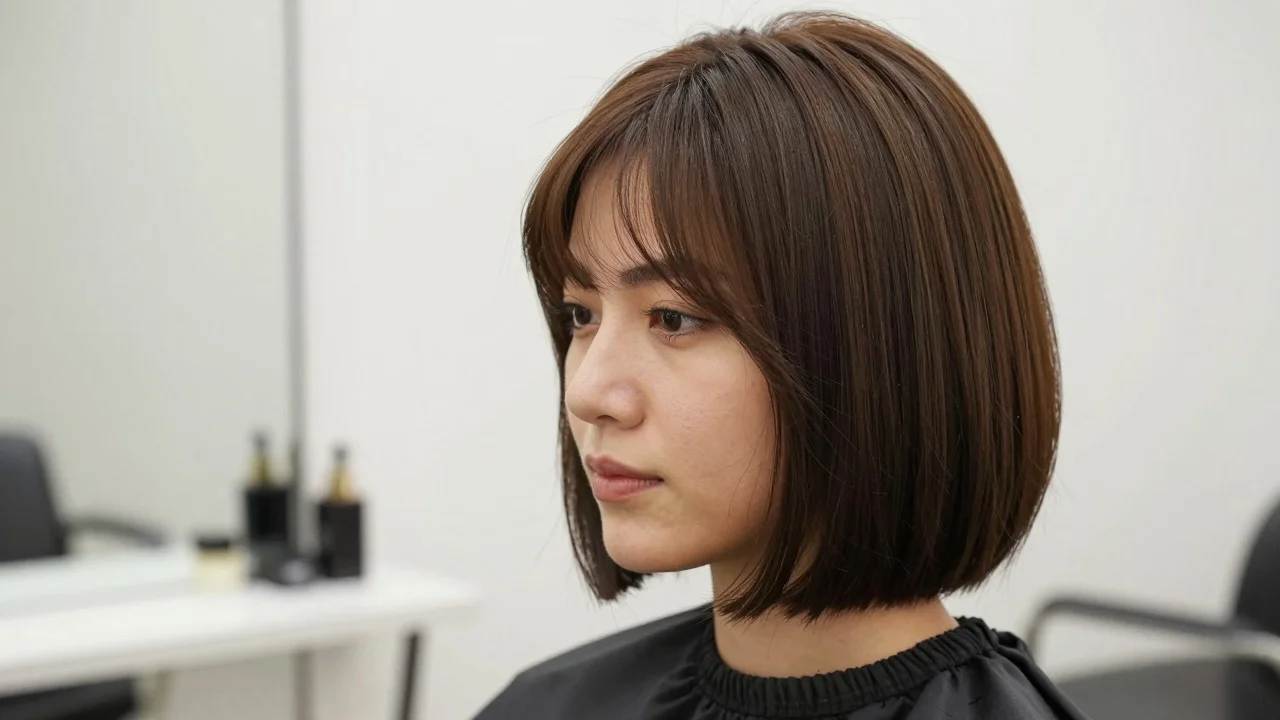
| French bob | Compact shape with soft fringe | Straight, wavy, or fine hair | Medium |
| Box bob | Structured, squared perimeter | Fine to medium-density hair | Medium |
| Layered bob | Internal or visible layers | Medium to thick hair | Medium |
| Textured bob | Broken, softer ends | Wavy or straight hair | Low to medium |
| A-line bob | Front longer than back | Many face shapes | Medium |
| Curly bob | Shape follows curl pattern | Curly hair | Medium |
| Coily bob | Rounded or sculpted natural shape | Coily hair | Medium |
| Asymmetrical bob | Uneven front or side lengths | Straight or wavy hair | Medium |
| Bob with bangs | Fringe changes the face frame | Most textures | Medium to high |
| Lob | Longer shape near shoulders | Anyone wanting more flexibility | Low to medium |
12 bob styles worth considering in 2026
1. Classic chin-length bob. This is the clean foundation: an even outline that finishes near the chin. It can look polished when smooth or softer when worn with natural movement.
2. Blunt bob. The ends stay strong instead of being heavily thinned. That solid edge can make fine or lower-density hair appear fuller. Current stylist guidance repeatedly recommends preserving perimeter weight for finer strands.
3. French bob. This style is usually compact and paired with soft fringe, creating an intentional cropped shape. You can keep the finish smooth, lightly waved, or naturally textured.
4. Box bob. A squarer outline makes the ends look deliberate and substantial. It works particularly well when you want structure without adding many visible layers.
5. Soft layered bob. Strategic layers add movement and can reduce weight. They don’t need to turn the haircut into a shag. Ask what each layer is meant to change.
6. Textured bob. Point-cut or softly broken ends create a less rigid outline. This is useful if you prefer movement and a grow-out that doesn’t depend on a perfectly sharp edge.
7. A-line bob. The back sits shorter while the front stays longer. That diagonal line creates extra length around the face without giving up the cropped effect.
8. Wavy bob. Natural bends provide much of the styling. A cut that supports your existing wave may require less daily work than forcing the hair into a pin-straight finish.
9. Curly bob. The silhouette should follow the finished curl pattern. Tell your stylist where you want the hair to sit after drying rather than judging the length while it is wet.
10. Coily bob. This version can be rounded, graduated, or more geometric. The important point is to plan the shape around shrinkage, density, and where the coils naturally build volume.
11. Asymmetrical bob. Keeping one side or the front slightly longer adds a graphic element without requiring a complex styling routine.
12. Longer bob or lob. If you want a visible change but still value ponytails and half-up styles, extra length can be useful. Stylevanta’s lob haircut guide explains how length changes styling flexibility and grow-out.
A Bob Cut Women Can Tailor to Their Face Shape and Hair Type
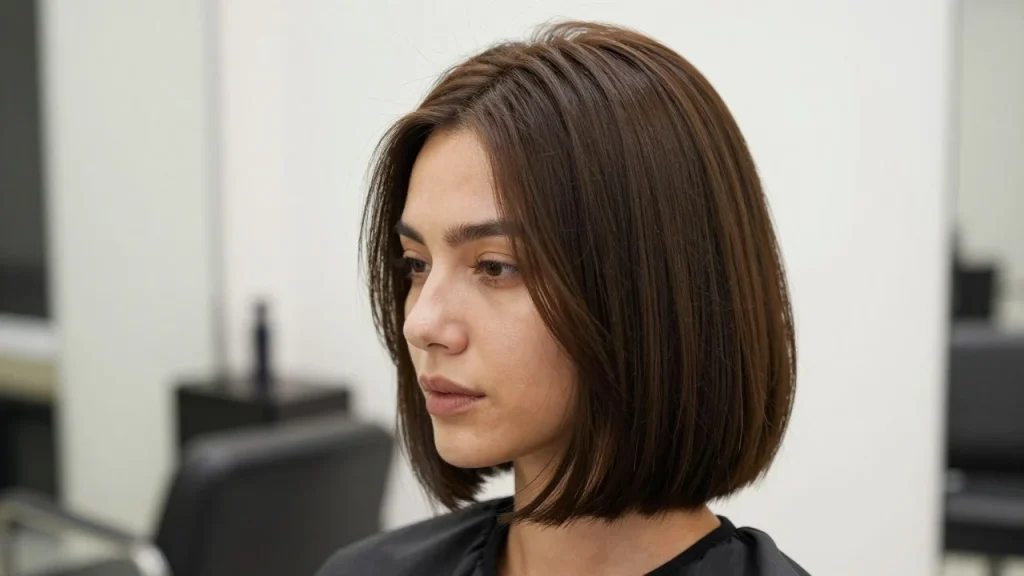
Face shape should guide proportions rather than dictate one mandatory haircut. The endpoint, part, fringe, volume, and front pieces can all change how a bob frames your face.
For a rounder face, a shape that finishes below the widest part of the cheeks can create a longer visual line. An A-line shape gives you another way to keep length at the front. A square jaw can pair well with softer ends, waves, or curved face-framing pieces.
Heart-shaped faces can benefit from chin-level fullness to balance a narrower jaw. Oval faces offer broad flexibility because the length, fringe, and part can shift without needing to correct one dominant proportion. Longer faces may benefit from side volume, waves, or fringe rather than extra vertical height.
Don’t treat those suggestions as rules. Stylevanta’s broader 2026 hairstyle ideas also recommend looking at texture, density, proportions, and your usual routine before choosing a shape.
Let hair density decide how much structure you need
Fine hair and thin hair aren’t exactly the same. “Fine” describes the diameter of individual strands, while density describes how much hair you have across the scalp. Both affect how a shorter perimeter behaves.
For fine or lower-density hair, too much thinning can leave the bottom looking sparse. A one-length or softly blunt perimeter keeps more visible weight at the ends. Current 2026 stylist guidance on fine-hair bobs supports that approach.
Thick hair requires a different approach. A strong perimeter can still work, but selective internal weight removal can prevent excess bulk. Your stylist can reduce mass without making every layer visible.
Waves, curls, and coils introduce another variable, as the finished length changes after drying. Plan around natural movement rather than assuming the wet endpoint will remain unchanged. Stylevanta makes the same distinction in its longer-bob guidance.
Bangs can completely change the balance
Fringe changes where the eye lands, how much of the forehead shows, and how much styling the front requires. Curtain and side-swept bangs are flexible because their longer edges blend into the haircut.
A blunt fringe creates a stronger graphic line. Wispy bangs soften a compact French shape, while curly fringe can continue the natural movement of a textured bob.
Your growth pattern deserves attention before the scissors come out. A cowlick or strong natural part can make a precise fringe harder to reset every morning. Stylevanta’s types of bangs guide covers the main fringe shapes, while its short hair with bangs ideas pair specific fringes with bobs and other short cuts.
Use this four-part check before booking
A trend name doesn’t tell your stylist enough. Run the idea through four practical questions first:
- Dry length: Where do you want the ends to sit after your hair is dry?
- Perimeter: Do you want a sharp, full edge or a softer, textured finish?
- Weight: Does your density require fullness to be preserved or bulk to be removed?
- Routine: How many minutes will you spend styling your hair on a typical morning?
Those answers are more useful than saying you want “a modern bob.” They also make reference photos easier to evaluate.
Choose photos that show hair with a density and texture similar to your own. Then point out the exact features you like. You might love the length in one photo but prefer the fringe and perimeter in another.
What to tell your hairstylist
Start with the finished result rather than the haircut name. Tell your stylist where the dry ends should land, whether you want a defined perimeter, and how much movement you prefer.
Mention your usual part, cowlicks, natural texture, and whether you regularly straighten or curl your hair. Say whether you need enough length to tuck the front behind your ears or pull some of it back.
A useful salon brief could be: “I want the ends around my chin when dry, with a strong but not severe perimeter. Keep enough weight for fullness and add only the movement my texture needs. Make the shape workable without daily heat styling.”
That gives your stylist clear design constraints while leaving room to adapt the haircut to the hair in front of them.
Choose the shape you’ll still like at home
Save two or three reference photos that resemble your own texture and density. Decide where you want the dry length to fall, then choose how sharp or soft you want the perimeter to be. If you aren’t ready to go chin-short, compare the idea with a lob before booking. If fringe is part of the plan, check your natural part and growth pattern first. The right bob isn’t one fixed 2026 trend. It’s a set of choices that fits your hair, your features, and the amount of styling you’ll realistically do.
How much maintenance does a bob need?
Maintenance depends more on precision than on the name of the haircut. A crisp, blunt line shows growth sooner because small changes can alter the intended edge.
Softer or more textured versions tend to tolerate visible growth more easily. Stylevana’s lob guide gives roughly six to ten weeks as a practical starting range for longer versions, while noting that precise shapes may need attention sooner.
Bangs can require their own maintenance schedule. A short blunt or micro fringe changes noticeably after a small amount of growth. Longer curtain or side-swept styles usually transition into face-framing pieces more gradually.
Daily upkeep matters as much as salon visits. Choose a shape that works on an ordinary morning, not only after a professional blowout.
Frequently asked questions
Which bob cut can women with fine hair wear?
A blunt, box, or softly structured bob can preserve visible weight at the ends. Keep layering purposeful rather than automatically adding lots of texture. Your stylist should also assess density, growth patterns, and the amount of fullness you want.
Is a bob flattering on a round face?
It can be. A slightly longer endpoint, an A-line shape, side movement, or face-framing pieces can change the visual proportions. Use face shape as a starting point rather than a fixed restriction.
Should thick hair have layers in a bob?
Not necessarily visible layers. Thick hair can benefit from strategic internal weight removal while preserving a defined outer shape. The amount depends on density, texture, and where your hair naturally expands.
Is a bob or lob easier to maintain?
A lob often gives you more styling flexibility and makes tying your hair back easier. A shorter bob creates a stronger cropped shape, but its perimeter can change more noticeably as it grows. The easier option depends on your routine.
Do bangs make a bob harder to maintain?
They can. Short, precise bangs usually need more frequent attention. Curtain, side-swept, or longer wispy fringe tends to offer a more forgiving grow-out.