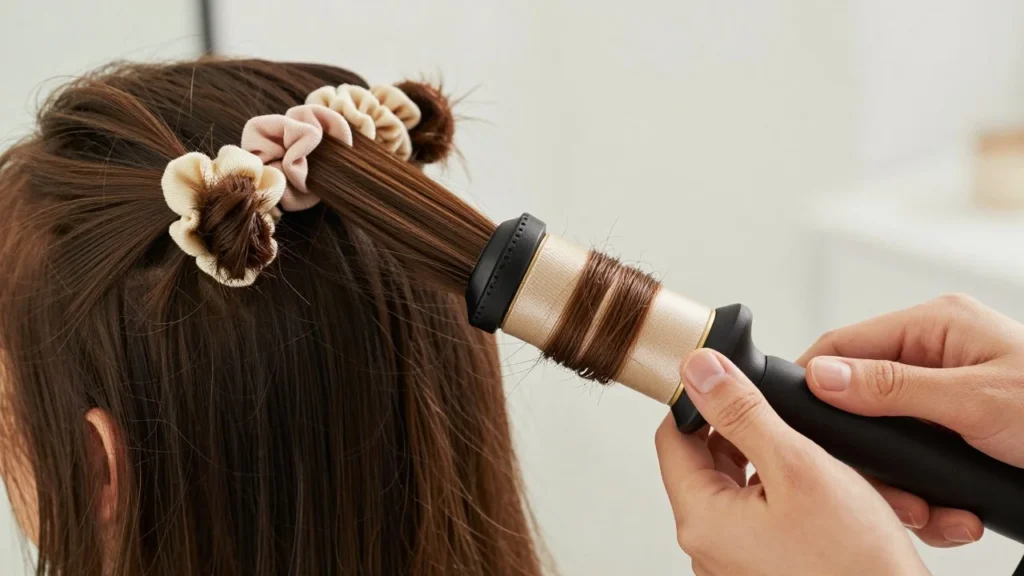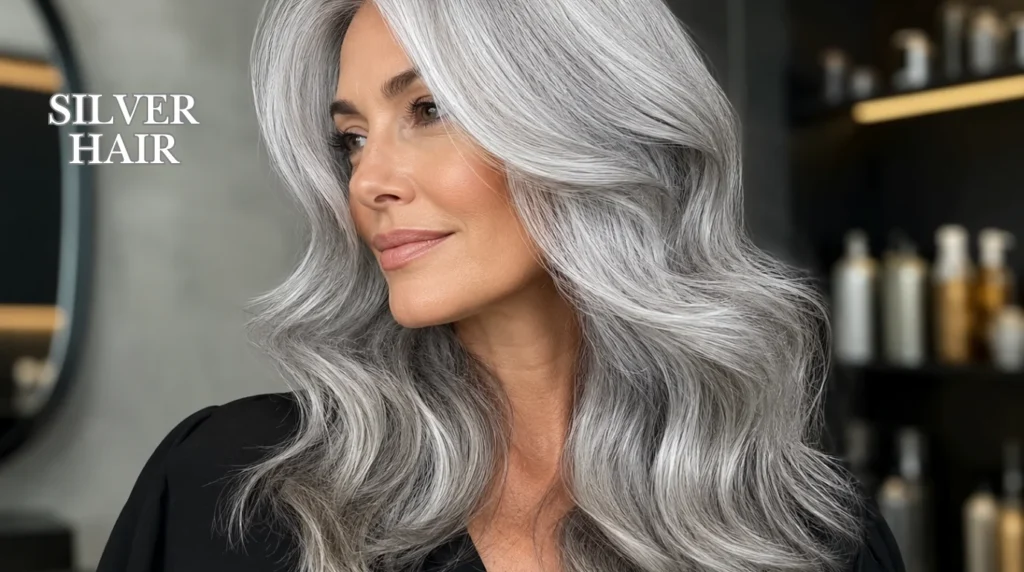


Finding a hair style you like is only half the decision. The right choice also needs to suit your texture, facial proportions, styling routine, and comfort with regular trims. Also worth reading: Bronde Hair.
The most flattering hair style is one that works with your natural texture, facial proportions, daily routine, and preferred level of upkeep. In 2026, polished bobs, soft layers, side parts, airy fringes, natural curls, and fuller blowouts are all current. Choose a shape you can maintain comfortably, then personalize the finish. Our related guide, Cute Hairstyles for Real Life, goes further into this.
| If you want… | Styles worth considering | Typical daily effort |
| A noticeable short cut | Structured bob, pixie, bixie | Low to medium |
| More movement without losing length | Butterfly layers, face-framing layers | Medium |
| A quick update | Side part, soft fringe, curtain-style framing | Low to medium |
| More natural texture | Defined curls, shag, textured layers | Low to medium |
| A polished finish | Smooth lob, structured waves, sleek ponytail | Medium |
| Less morning styling | Blunt lob, soft long layers, natural-texture cut | Low |
Recent 2026 trend coverage supports a more personalized approach rather than one universal cut. PORTER highlights structured bobs, defined waves, fuller blowouts, side parts, and high-shine finishes, while Matrix emphasizes natural texture and cuts adapted to the individual.
How to Choose a Hair Style That Fits You
Start with four questions before saving another inspiration photo. First, look at what your texture does naturally. Straight, wavy, curly, and coily textures create different shapes, even when the haircut is technically similar. Density matters too. Fine strands may benefit from lighter layering, while dense hair can benefit from controlled weight removal.
Next, decide how much styling you are willing to do on an ordinary weekday. A cut that requires a round-brush blowout every morning may look perfect online but become frustrating after two weeks.
Face shape can help you think about balance, but it should not become a rigid rule. Current guidance from Hair.com considers proportions when adapting a haircut, while Hair Muse notes that texture, density, hairline, routine, and personal preference may matter just as much as a broad face-shape label.
Your hairline deserves the same attention. If you have a V-shaped front hairline, Stylevanta’s widow’s peak styling guide explains how side parts, fringe, centre parts, and texture can change how prominent the point appears.
12 Hairstyle Ideas Worth Trying in 2026
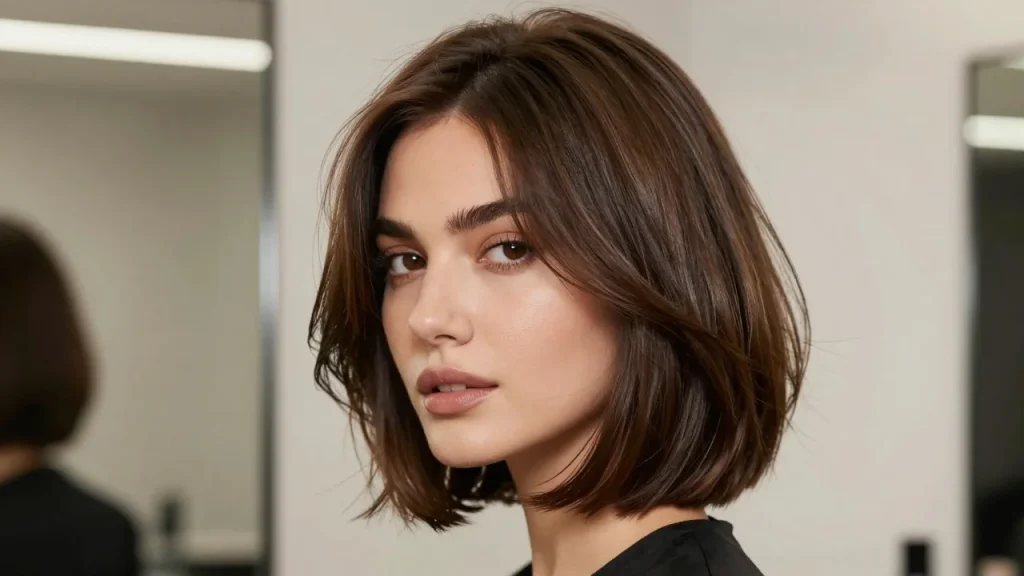
- Structured bob. A clean chin- or shoulder-length bob gives the outline more definition. Current versions often look sharper than the softly rounded bobs of recent seasons. A side part or tucked finish can make the shape feel more polished.
- Butterfly layers. This cut keeps much of the length while adding shorter, face-framing sections and movement around the upper half. It suits anyone who wants a change without committing to a major chop.
- Soft butterfly fringe. A light fringe beginning around the cheekbone area can refresh longer cuts while blending into the rest of the layers. PORTER identifies this softer fringe as one of the noticeable 2026 updates.
- Rounded lob. A shoulder-grazing long bob offers enough length for ponytails and simple updos while still creating a defined haircut shape. It can be worn smooth, softly curved, or naturally textured.
- Defined waves. Instead of loose, accidental-looking beach texture, current styling is moving toward more deliberate bends and controlled shine. The result can still look relaxed, but the wave pattern appears more intentional.
- Natural curls with shaped layers. A curl-focused cut should distribute volume without removing the movement that gives the style its character. Thoughtful layer placement can help curls sit more evenly from crown to ends.
- Soft shag. A modern shag creates movement through layered lengths and a less rigid outline. Keep the fringe and shortest layers compatible with your natural texture so the cut does not require constant heat styling.
- Pixie or bixie. A pixie creates a clear, short silhouette, while a bixie leaves more length around the crown and sides. The latter can be useful if you want short hair with extra styling flexibility.
- Deep side part. Changing the part can refresh a familiar cut without sacrificing length. Side parts have returned strongly in current trend coverage and work with bobs, waves, curls, ponytails, and longer lengths.
- Fuller blowout. Bigger, rounder volume inspired by 1990s styling is another visible 2026 direction. The modern version keeps movement at the ends instead of creating a stiff, fixed shape.
- Sleek ponytail or bun. A controlled updo gives medium and long hair a polished option between wash days or for formal occasions. Adjust the tension and finishing product to suit your texture and scalp comfort.
- Long layers with face framing. This is a practical option when you want movement but are not ready to lose much length. The shortest section can begin near the cheekbones, jaw, or collarbone, depending on the effect you want.
For more fashion and beauty inspiration, Stylevanta’s editorial coverage includes hairstyles, hair care, personal style, and current beauty trends.
Match the Cut to Your Face Proportions
Face-shape guides are most useful when they explain visual balance rather than telling you that certain cuts are off-limits.
| Face proportion | A useful styling direction | Ideas to discuss with your stylist |
| Round | Add vertical movement or definition | Longer layers, side part, volume above |
| Square | Choose softness or emphasize structure | Waves, curved layers, sharp bob |
| Long or oblong | Add visual width | Fringe, shoulder length, side volume |
| Heart | Balance forehead and lower face | Chin-length shapes, side movement |
| Diamond | Work around prominent cheekbones | Face framing, fringe, medium layers |
| Oval | Decide based more on texture and lifestyle | Most lengths can be adapted |
A person rarely fits a geometry chart perfectly. Treat these directions as conversation starters, then adjust them to suit your features and preferences.
Texture, Density, and Maintenance Matter More Than the Trend Name
- Two people can request the same bob and leave the salon with very different-looking results. Strand thickness, density, curl pattern, growth direction, and existing damage all affect how a silhouette sits.
- Bring inspiration photos that show a texture similar to yours. Then ask what the style will look like without professional finishing.
- A useful consultation question is: “What will this cut do if I wash it and let it dry the way I normally do?” That answer often tells you more than the trend name.
- Stylevanta focuses on practical personal styling rather than treating fashion as a fixed rulebook. You can browse the Stylevanta homepage for newly published hair and fashion guides.
What to Tell Your Stylist Before the Cut
Describe the result you want, not only the haircut name. Mention how often you use heat, whether you usually air-dry your hair, where you prefer your part, and how much time you spend getting ready.
Also explain what you do not want. If you need to tie your hair back for work, say so before a stylist cuts the front sections too short. If frequent salon visits do not suit your schedule, ask how the shape will grow out.
Bring two or three useful photos instead of twenty. Point out the exact details you like in each image, such as the fringe length, outline, volume, or amount of layering.
Choose the Version You Will Still Like After Wash Day
A strong haircut should make your normal routine easier, not create a second job. Use trends for inspiration, then adapt the shape to your texture, hairline, features, and schedule. Before your appointment, save a few realistic reference photos and decide how much daily effort you are willing to put into the finished look.
Frequently Asked Questions
What hair style suits my face shape?
Start with the proportions you want to highlight or balance, then consider texture, density, hairline, and routine. Round faces may suit extra height or length, while longer faces can benefit from width or fringe. These are starting points rather than strict rules.
What hairstyles are trending in 2026?
Structured bobs, lighter fringe, defined waves, larger blowouts, side parts, glossy finishes, natural texture, and personalized layers all appear prominently in current 2026 coverage.
How can I update long hair without cutting much off?
Try face-framing layers, butterfly-style layering, a softer fringe, or a new part. Each can change the silhouette while preserving most of your overall length.
Should I choose short, medium, or long hair?
Choose the length that fits your preferred look and routine. Short cuts can reduce drying time but may need more frequent reshaping. Medium lengths offer flexibility, while long hair provides more options for ponytails, braids, and updos.
What should I ask before making a major change?
Ask how the cut will work with your natural texture, how often it needs trimming, what happens as it grows out, and how much daily styling it requires.