
If you have a widows peak hair line, the V-shaped point at the centre of your hairline can become part of your style rather than something you need to hide. The right cut depends on whether you want to highlight the point, soften it, or partially cover it. Hair texture, density, length, and face shape matter too.
A widow’s peak is a natural hairline that forms a point in the middle of the forehead. Slicked-back styles and centre parts tend to show it, while side parts, textured fringes, and bangs can soften it. A stable peak does not automatically mean your hair is receding or thinning.
| Hairline question | What to know |
|---|---|
| What does it look like? | A V-shaped point at the centre of the forehead |
| Is it normal? | Yes. It is usually a natural hairline variation |
| Does it mean hair loss? | Not by itself; changes in density or recession matter more |
| Best styles to show it | Centre parts, slick backs, updos, pixies, short crops |
| Best styles to soften it | Side parts, curtain bangs, textured fringe, layered cuts |
| Main styling rule | Work with the natural growth direction instead of forcing it flat |
What Is a Widow’s Peak Hairline?
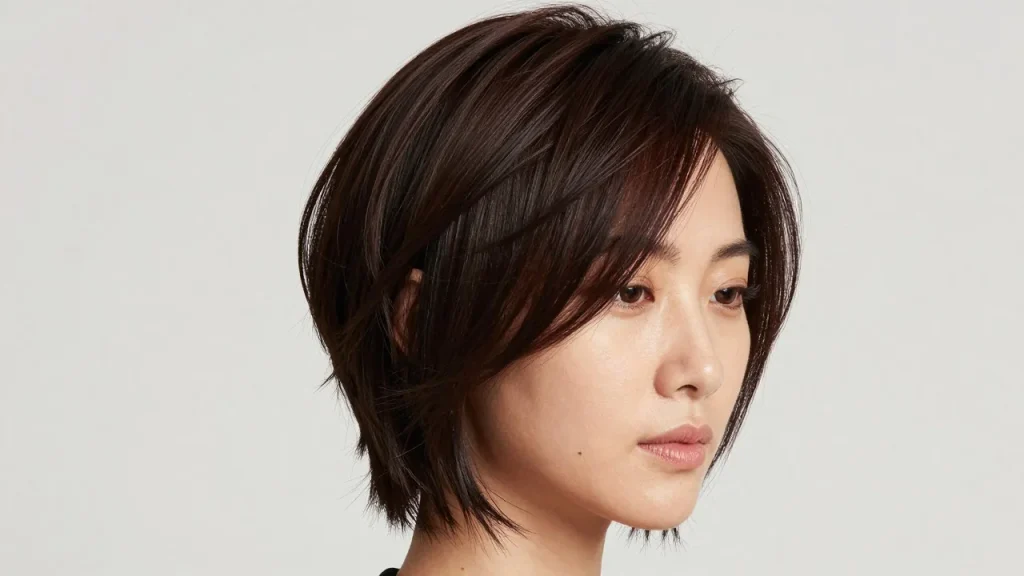
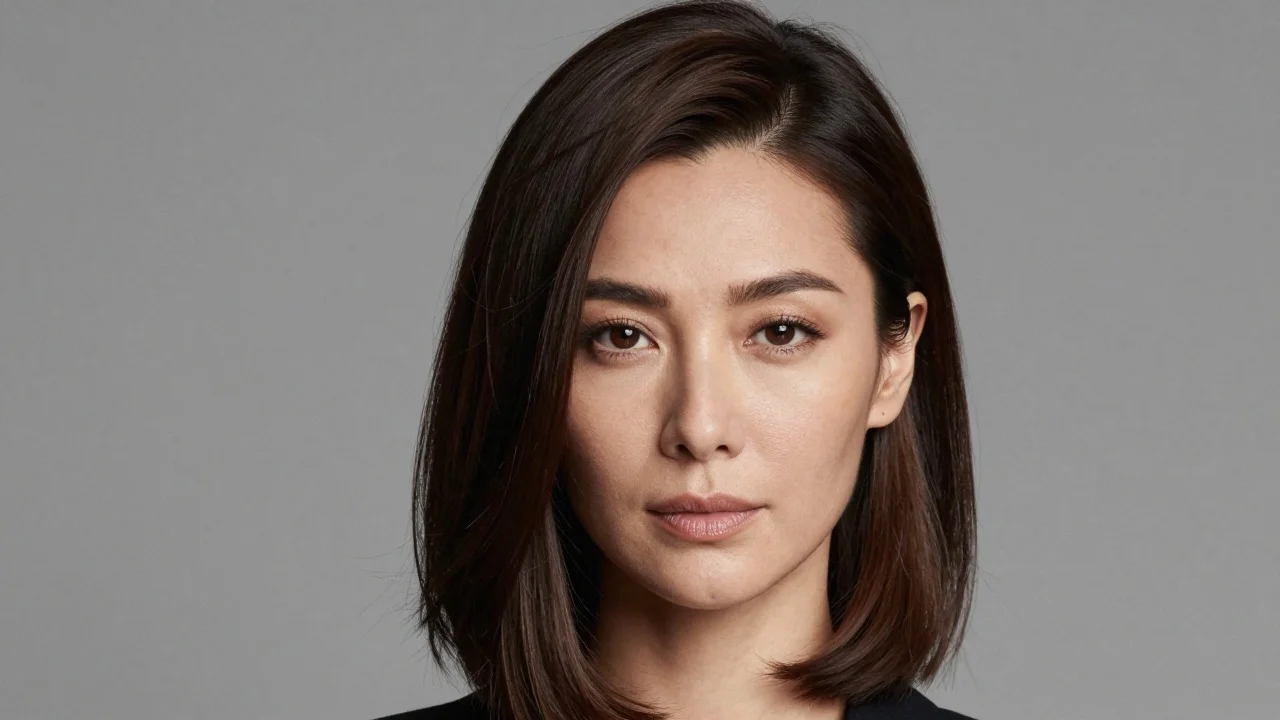
A widow’s peak is a downward point in the hairline at the centre of the forehead. The point can range in depth from a slight dip to a sharp V. Medical literature describes it as a morphogenetic feature and, in most cases, a normal variation.
Hairline shape tends to run in families, but the genetics are more complicated than the old classroom explanation suggests. The University of Utah notes that no scientific study supports the idea that one dominant gene controls the feature. Multiple genes probably contribute to hairline shape.
That distinction matters because you do not need to treat a natural hairline as a flaw. It is simply another feature to consider when deciding where to part, layer, or direct your hair.
Stylevanta’s broader editorial focus includes hairstyles, hair care, personal style, and beauty trends. You can see more about how Stylevanta approaches its fashion and hair coverage.
Widow’s Peak vs. Receding Hairline
A natural peak and a receding hairline can look similar from certain angles. The main difference is change over time.
A natural V-shaped hairline usually stays recognisable, even if your mature hairline shifts slightly with age. Recession involves the progressive movement of the hairline, often around the temples. You may also notice reduced density or increased scalp visibility.
Health sources make the same distinction: a widow’s peak can be present without hair loss, while recession develops over time.
Compare photos taken several months apart if you are unsure. Look at the temples, centre point, and density behind the front edge.
If you notice rapid changes, patchy shedding, scalp irritation, or obvious thinning, speak with a dermatologist. Those signs deserve a medical assessment rather than a new haircut alone.
How to Style Widows Peak Hair Without Fighting Your Hairline
Start by choosing one of two goals: show the peak or soften it. Styling can become frustrating when the cut does not clearly support either approach.
If You Want to Show the Peak
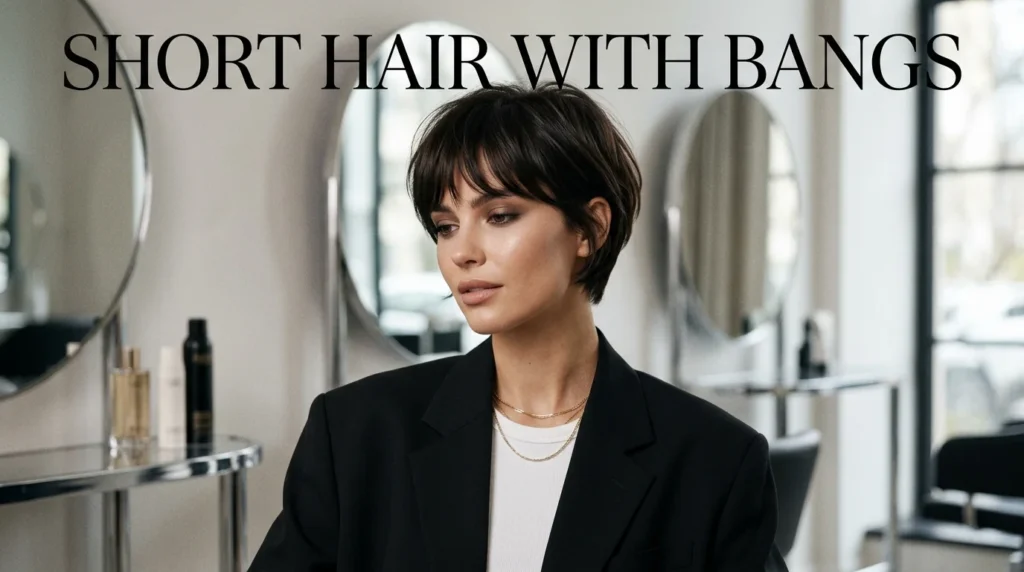
Keep the forehead more open. A centre part can use the V as the natural starting point of the part. Slicked-back styles, ponytails, buns, pixies, and cropped cuts also let the shape become part of the finished look.
For shorter hair, textured crops and swept-back styles can work well. Leave enough movement at the front so the cut does not look rigid. Several current hairstyle guides use centre parts, slick backs, short cuts, waves, and updos to make the natural hairline a deliberate feature.
If You Want to Soften the Peak
Move the visual focus away from the centre of the forehead. A side part is one of the simplest options. It changes the direction of the hair and makes the V less central. A textured fringe can also break up the outline without requiring complete coverage.
Curtain bangs offer a softer choice for medium or long hair. They frame the forehead while allowing some of the natural part to remain visible. The key is movement. Hair that falls diagonally or in soft pieces tends to blend the hairline more naturally than a stiff front section.
Which Hairstyles Work Best?
The best option depends on what your hair naturally does after washing and drying.
| Style | Best for | Effect on the peak | Daily effort |
|---|---|---|---|
| Deep side part | Straight, wavy, or curly hair | Softens | Low |
| Curtain bangs | Medium or long hair | Partly softens | Medium |
| Textured fringe | Short to medium hair | Covers or breaks up | Medium |
| Centre-parted waves | Medium or long hair | Highlights | Low |
| Slick back | Medium or long hair | Highlights strongly | Medium |
| Textured crop | Short hair | Blends into texture | Low |
| Pixie cut | Short hair | Shows the hairline | Low to medium |
| Layered bob | Straight or wavy hair | Redirects attention | Low |
| Quiff | Short to medium hair | Balances the V with height | Medium |
| Crew cut | Short hair | Keeps the peak visible | Low |
Fine hair often benefits from lighter products because heavy waxes can separate the front strands. Thick hair may need more control at the roots, especially around the point. Curly and coily hair can use natural volume to make the front hairline less dominant. A stylist can also shape the front without removing too much density.
For more personal-style ideas beyond hair, you can browse the Stylevanta fashion and styling homepage.
Bangs and Parts: What Usually Works?
Bangs can work with a widow’s peak, but the cut needs to respect the way your front hair grows. A very light fringe may split around the centre point. If your goal is coverage, ask for enough weight to keep the fringe moving across the forehead. Textured bangs can be a better choice when you want a less structured finish.
Curtain bangs take the opposite approach. Their centre opening can use the peak as an anchor and make it part of the style. Side parts are useful because they create diagonal movement. Centre parts make the V more symmetrical and visible. Neither option is automatically better. Your natural growth pattern determines which option requires less work each morning.
A Simple Styling Routine for a Stubborn Front Hairline
Hair at the front sometimes grows strongly in one direction, much like a cowlick. Styling it while it is wet or damp usually gives you more control. First, place the part where you want it while your hair is still damp. Direct your dryer across the front section rather than letting the hair dry in its existing position.
Use your fingers or a brush to guide the roots. Finish with cool air once the hair sits in the desired position. Choose a light product after drying. A small amount of cream, mousse, paste, or flexible hairspray is often enough. Heavy gel at the point can make the V look sharper than intended. If the style only works after twenty minutes of forcing the roots into place, consider a different part or cut. The easiest haircut is usually one that works with your natural growth pattern.
What to Tell Your Barber or Hairstylist
Do not stop at, “I have a widow’s peak.” Tell your stylist what you want the hairline to do in the finished cut. That gives them a clear direction. You might say, “I want to keep the natural point visible, but I’d like more texture around it.”
If you prefer less emphasis, try: “I want the V softened. Can we use a side part, fringe, or layers without making the front difficult to style?” Mention thinning separately if it concerns you. Styling a stable natural point is different from choosing a cut for reduced density around the temples. Bring photos that show a hair texture similar to yours. A style shown on thick, straight hair may sit differently on fine or curly hair.
Work With the Hairline You Have
A widow’s peak gives your hairline a clear shape, but it does not dictate one haircut. You can make it prominent with a centre part or slicked-back style. You can soften it with fringe, layers, texture, or a side part.
Start with the option that matches your natural growth pattern and daily routine. A flattering cut should reduce styling work, not create another problem every morning.
Want Stylevanta to cover a specific haircut, fringe, or hair type next? Send the Stylevanta team your topic suggestion.
Frequently Asked Questions
Is a Widow’s Peak a Sign of Hair Loss?
No. If you searched for “widows peak hair” because you are worried about hair loss, the peak itself does not automatically mean you are losing hair. The stronger clue is whether the hairline is changing, especially at the temples, or whether density is decreasing.
Can Women and Men Both Have a Widow’s Peak?
Yes. The feature can occur in people of any gender. It may look more obvious with short styles because more of the hairline remains visible.
Can You Permanently Remove a Widow’s Peak?
A haircut cannot permanently change where follicles grow. Cosmetic hair removal can alter the appearance, but removing hair from the point changes the natural front edge. Speak with a qualified professional before considering a permanent treatment.
Are Bangs Good for a Widow’s Peak?
They can be. Side-swept bangs and textured fringe can soften the V. Curtain bangs can frame it instead. The best choice depends on hair density, texture, and how strongly the front section tends to separate.
Is a Centre Part Bad for a Widow’s Peak?
No. A centre part often works well because the natural point sits where the part begins. Choose it when you want the hairline to remain visible rather than concealed.