
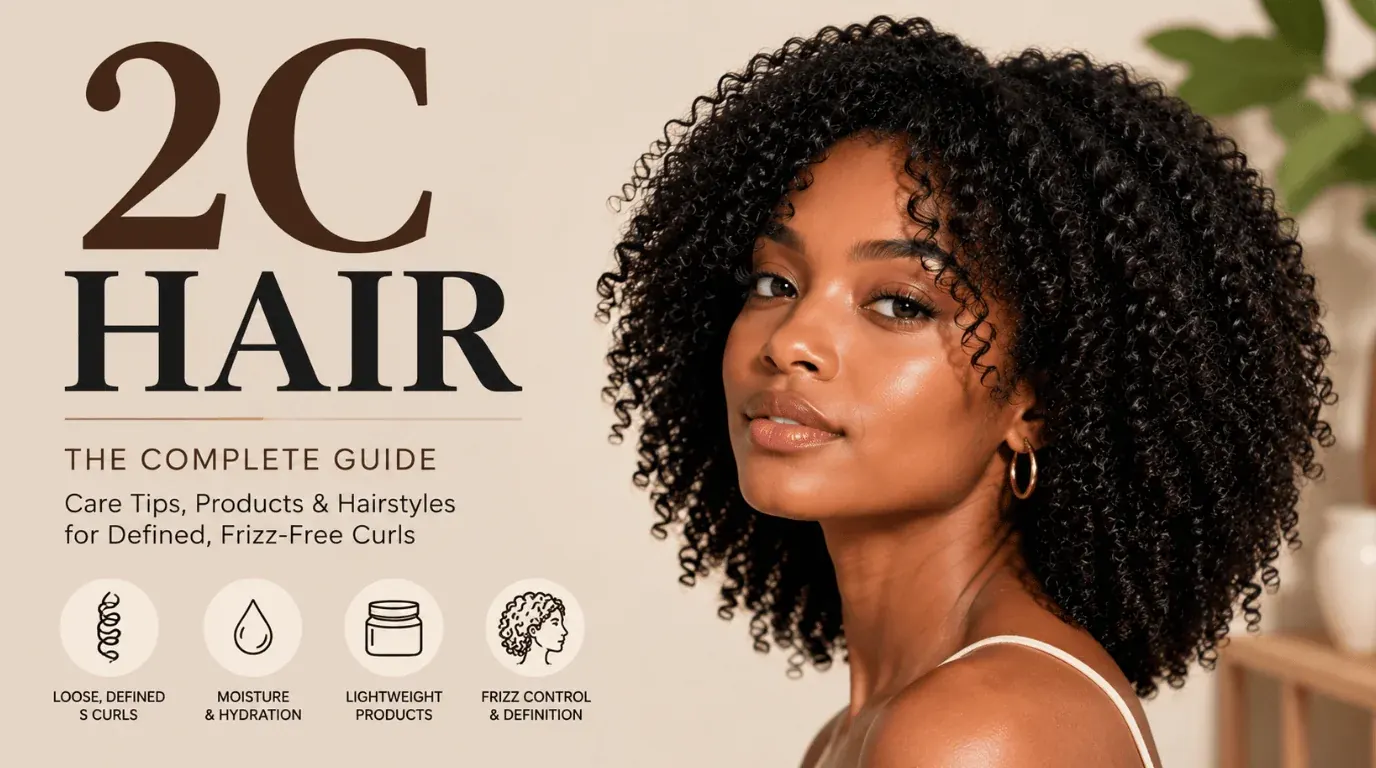
If your hair forms strong S-shaped waves from near the roots but stops short of consistent ringlets, you may have 2C hair. This texture sits at the wavier end of Type 2 and can include a few loose curls. The right routine focuses on moisture, definition, gentle handling, and enough hold to control frizz without flattening the pattern.
| 2C Hair | Practical starting point |
| Pattern | Strong S-shaped waves, often starting close to the roots |
| Texture | Can be fine, medium, or coarse |
| Common concerns | Frizz, uneven definition, dryness, product buildup |
| Styling goal | Defined waves with movement and controlled volume |
| Product approach | Lightweight moisture plus flexible hold |
| Drying | Air-dry or diffuse with low airflow |
| Detangling | Work gently while damp and conditioned. |
| Canadian adjustment | Change product weight as indoor heating, cold, and humidity change |
How to Tell If You Have 2C Hair
The easiest way to identify your pattern is to look at clean hair with minimal styling product. Let it dry naturally, then examine several sections instead of judging one strand. Type 2C usually shows deep, repeatingS-waves that begin high on the head. Some pieces, especially around the face or ends, may form loose spirals. That mixture is normal. Hair-pattern labels are useful shorthand rather than strict biological categories.
Strand thickness doesn’t determine your wave type. Two people with the same visible pattern can have different density, porosity, scalp oil levels, or damage. Those differences often explain why a routine that works well for one person feels too heavy or too drying for another.
2B vs. 2C vs. 3A
| Pattern | Typical shape | Where texture appears | Styling approach |
| 2B | Noticeable S-waves | Often stronger through mid-lengths | Light moisture and hold |
| 2C | Deep, defined S-waves | Often begins near the roots | Moisture plus stronger definition |
| 3A | Loose ringlets or spirals | The curl shape is more consistently circular. | Curl-focused moisture and hold |
The line between categories can be blurry. You might have 2B sections underneath and almost 3A pieces around your face. Build your routine around how your hair responds rather than trying to make every strand match one label.
A Simple 2C Hair Care Routine
You don’t need a long shelf of products. Start with a basic routine, watch the results for several wash days, then adjust one variable at a time.
1. Clean your scalp when it needs it.
Wash based on oil, sweat, buildup, and comfort rather than following a fixed schedule. Apply shampoo mainly to the scalp and roots. Let the rinse water clean the lengths instead of repeatedly scrubbing them.
If styling products begin to leave the waves limp or coated, a more thorough cleansing wash can help remove buildup. Frequency depends on the products you use and how quickly residue develops.
2. Condition the lengths
Apply conditioner mainly from the mid-lengths to the ends. Fine waves may need a lighter formula and a smaller amount. Dense, coarse, colored, or dry lengths may need more conditioning.
If your ends remain rough despite regular conditioner, an occasional treatment may help. StyleVanta’s guide to choosing a hair mask for dry hair is a useful next read when softness is the main concern.
3. Detangle with less friction
Try to detangle while the hair is wet and has enough slip from conditioner. Fingers or a wide-tooth comb give you more control than aggressive dry brushing.
Once the wave clumps are dry, repeated brushing can separate them and create a puffier finish. That doesn’t mean dry brushing is forbidden; it means the result will usually look different from defined styling.
4. Apply styling product while the hair is damp.
Start with a small amount of mousse, gel, foam, or light curl cream. Distribute it through damp lengths, then scrunch upward to encourage the natural pattern.
A common mistake is assuming frizz always means you need a richer cream. Sometimes the hair needs more hold rather than more weight. Heavy layers of oils and butters can make some wavy textures look flatter.
5. Air-dry or diffuse gently.
Air-drying works well when your waves hold their shape without much help. If drying takes too long or your roots lose volume, a diffuser can speed up the process while spreading airflow across a wider area.
Use low airflow first and avoid constantly moving the hair while it dries. StyleVanta’s Best Dry Shampoo guide explains attachment types and drying techniques for waves and curls. The site’s current guidance recommends low to medium heat and lower airflow as a practical starting point.
Why Your Waves May Look Frizzy or Flat
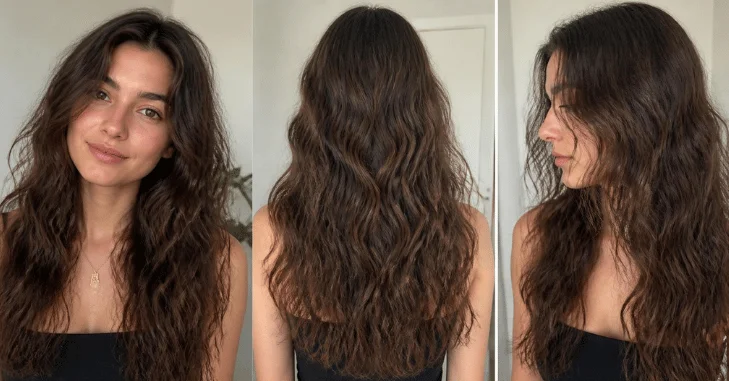
Frizz doesn’t have one cause. Humidity, dryness, friction, heat damage, product buildup, and styling technique can all change the finished texture. Flat waves often point to a different set of issues. Too much conditioner, heavy creams, excess oil, or several layered stylers can pull down the pattern. Before buying another product, reduce the amount you’re already using and see what changes.
Canadian weather can make the balance shift through the year. A routine that feels comfortable during a humid summer may need more conditioning when cold weather and heated indoor air arrive. Treat seasonal changes as a reason to adjust product amount, not as a reason to replace your entire routine.
Hairstyles and Cuts That Work With Strong Waves
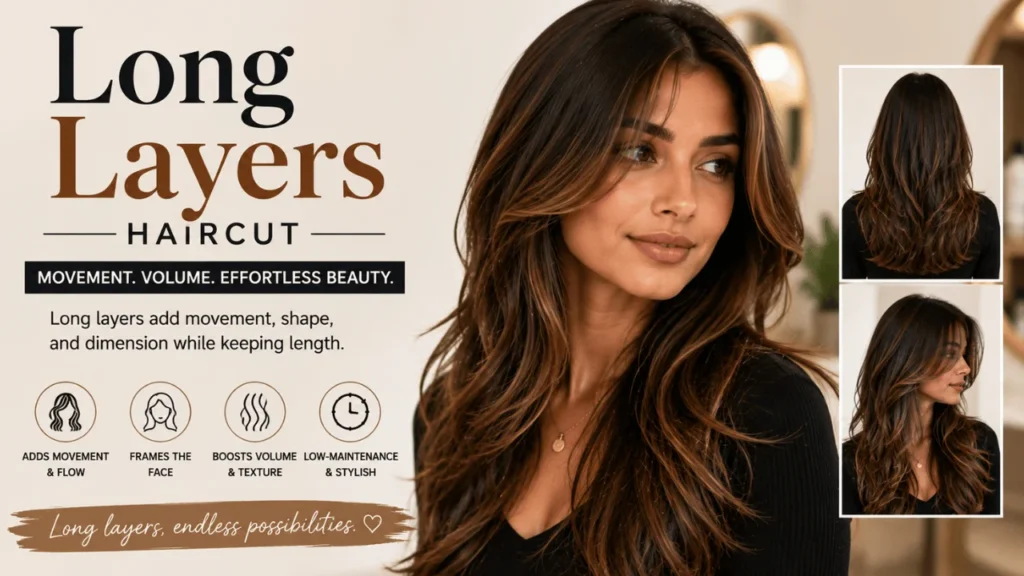
A good haircut should account for density, shrinkage, natural parting, and how much daily styling you want to do. Long layers can remove weight and create movement on dense hair. Face-framing layers can bring more visible texture around the cheekbones and jaw. A layered bob or shoulder-length cut can also work, though shorter lengths may create more volume as weight is removed. Bring reference photos to your stylist that show a texture and density similar to yours. A cut photographed on fine, loose waves may fall differently on dense hair with stronger bends.
If you want to create a more uniform wave pattern occasionally, StyleVanta’s Canadian hair waver guide covers barrel sizes, adjustable temperatures, and electrical certification. Natural waves often need less reshaping than straight hair, so consider whether heat is necessary before reaching for a hot tool.
Heat Styling Without Losing Your Natural Pattern
Heat can give you a different finish, but frequent high-temperature styling can contribute to dryness and breakage. Use a heat protectant and start at the lowest temperature that gives you the result you want. A diffuser is usually the better tool when you want to preserve your natural pattern. A concentrator nozzle and brush are more suitable when you want to stretch or smooth it.
If you’re considering a longer-lasting salon-created wave instead, read StyleVanta’s wavy perm guide first. A perm chemically changes the hair structure, so it isn’t the same as enhancing waves you already have.
Build a Routine Around Your Hair, Not the Label
Treat your pattern as a starting point. Then look at the problems you can see and feel. If the roots flatten quickly, reduce product weight. If the ends feel rough, add conditioning where they need it. If the shape disappears during drying, experiment with more hold or gentler airflow.
If everything feels coated, cleanse buildup before adding another styling product. That approach is more useful than following a rigid routine built around a curl code alone. Strand thickness, density, porosity, damage, climate, and personal styling preferences all affect what works.
Give Your Natural Waves a Few Wash Days to Respond
Start with a simple routine before changing several products at once. Clean the scalp when needed, condition the lengths, style damp hair with a light hold product, and dry it without unnecessary friction. Then watch what happens across several wash days. Your natural texture will tell you whether it needs less weight, more moisture, a stronger hold, or a different drying technique. That makes it much easier to create defined, touchable waves without turning hair care into a complicated routine.
Frequently Asked Questions
Is 2C hair wavy or curly?
It is generally classified as wavy. It sits at the most defined end of Type 2, so individual strands can sometimes form loose curls or spirals. Type 3A usually shows more consistent ringlets.
Should you brush Type 2C waves?
You can, but timing changes the result. Detangling damp, conditioned hair tends to preserve wave groups better. Brushing after the hair has dried can separate those groups and produce a fluffier or frizzier finish.
What products work well for strong wavy hair?
Start with a gentle cleanser, conditioner, and one lightweight styling product with hold. Mousse, foam, or gel can support definition without requiring a heavy cream. Adjust the amount for your strand thickness and density.
How is 2C different from 3A?
Type 2C mainly forms strong S-shaped bends, while 3A forms clearer spiral curls or ringlets. Mixed patterns are common, so you don’t need every section of your head to fit the same category perfectly.
What haircut is good for this wave pattern?
Layers often help create movement and reduce excess weight, especially on dense hair. The best length and layer placement depend on your density, shrinkage, face shape, and preferred styling routine.
Does the routine need to change during Canadian winter?
It may. If your lengths start feeling drier during colder months or indoor heating season, increase conditioning gradually. If summer humidity makes the pattern expand or frizz, you may prefer more styling hold rather than heavier moisture.