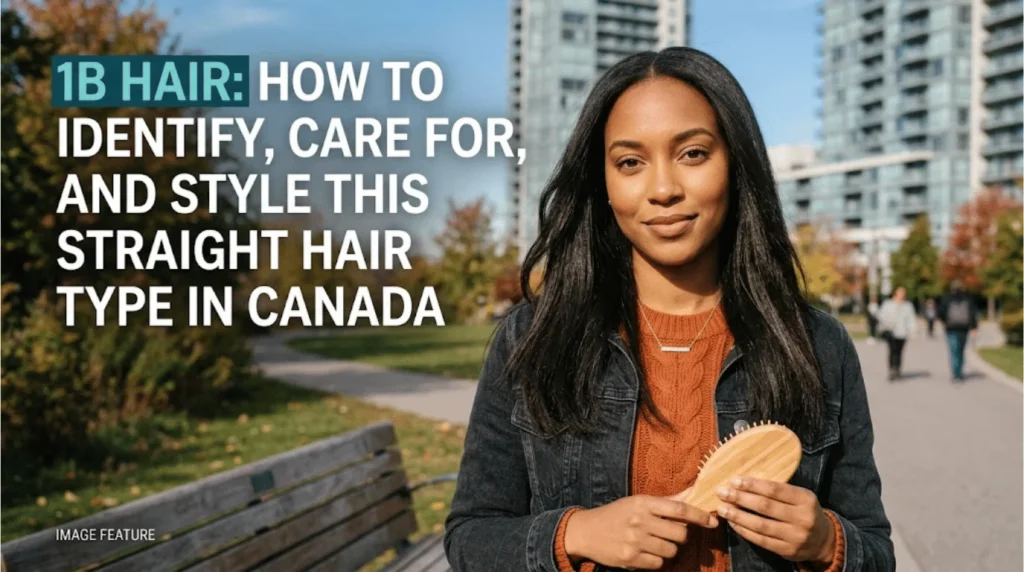


If your curls form loose, springy loops but sit somewhere between waves and tighter ringlets, you may have 3A hair. This curl pattern usually forms a visible S-shaped spiral and tends to be wider than 3B curls. The right routine focuses on light moisture, gentle handling, and enough hold to keep definition without flattening the curl.
Type 3A curls are loose, rounded spirals that are usually wider than 3B curls and more clearly circular than 2C waves. They can range from fine to coarse, and some people may have multiple curl patterns. Lightweight conditioning, careful detangling, and low-disturbance styling tend to support definition and bounce.
| What to know | Practical starting point |
|---|---|
| Curl shape | Loose, rounded S-shaped spirals |
| Position on curl chart | Between wavy 2C and tighter 3B curls |
| Common concerns | Frizz, flat roots, dryness, lost definition |
| Product approach | Start light and add more only when needed |
| Styling | Apply products to damp or wet curls and scrunch |
| Drying | Air-dry or diffuse with controlled airflow |
| Canadian seasons | Adjust moisture and hold as weather changes |
How to Tell If You Have 3A Hair
Treat curl typing as a useful reference rather than a strict diagnosis. Professional stylists interviewed by Vogue and Women’s Health describe this pattern as a loose, rounded S-shape or ringlet that reads as clearly curly rather than wavy.
Look at clean hair after it dries in its natural pattern. Avoid judging it after straightening, heavy styling, brushing, or stretching because these can change the visible curl.
Common signs include:
- complete loops or loose spirals rather than simple bends;
- curls that are broader than tighter type-3 ringlets;
- definition through much of the length;
- a tendency for the roots to look flatter than the ends;
- frizz when the strands are disturbed as they dry.
You don’t need every strand to match. Mixed curl patterns are common, so the front, crown, and underneath sections may behave differently. Allure’s curl-type guide also notes the broad variation that can exist within type 3 curls.
2C vs. 3A vs. 3B: What Is the Difference?
The border between curl types can be blurry. Focus on the shape your hair repeatedly forms rather than trying to match one photograph.
| Curl type | Typical pattern | What usually stands out |
|---|---|---|
| 2C | Strong S-shaped waves | More wave-like bends, sometimes with ringlets |
| 3A | Wide, loose spirals | Complete, open loops with visible spring |
| 3B | Tighter ringlets | Smaller, more compact curls with stronger spring |
The main distinction between 2C and type 3A is whether the strand consistently forms a rounded curl instead of remaining primarily wavy. As you move toward 3B, the curl circumference becomes tighter.
Your texture can also change across your head. Choose products based on how your strands behave, not just the letter and number on a chart.
Build a Simple Wash-Day Routine
A good routine doesn’t need ten products. Start with cleansing, conditioning, styling, and drying. Then adjust one part at a time.
1. Cleanse according to your scalp
No universal wash schedule works for every curly head. Product buildup, oiliness, activity level, scalp comfort, strand thickness, and styling habits all matter.
Expert advice published by Vogue supports regular cleansing while avoiding routines that leave curls dry or overloaded. If your roots feel oily or coated, waiting for a fixed “curl wash day” may not help.
Choose a cleanser that leaves the scalp comfortable and the lengths manageable. If a styling routine creates noticeable buildup, an occasional stronger cleanse can help.
2. Condition the lengths
Apply conditioner mainly through the mid-lengths and ends. Fine curls may become limp under rich butters or heavy oils, while thicker or more porous strands may need more conditioning.
This is why curl type alone can’t choose your conditioner. Strand thickness, damage, and how easily your hair becomes coated are equally useful clues.
If dryness is a regular issue, StyleVanta’s coverage of hair masks can help you compare richer treatments with everyday conditioning choices available to Canadian shoppers.
3. Detangle while the hair has slip
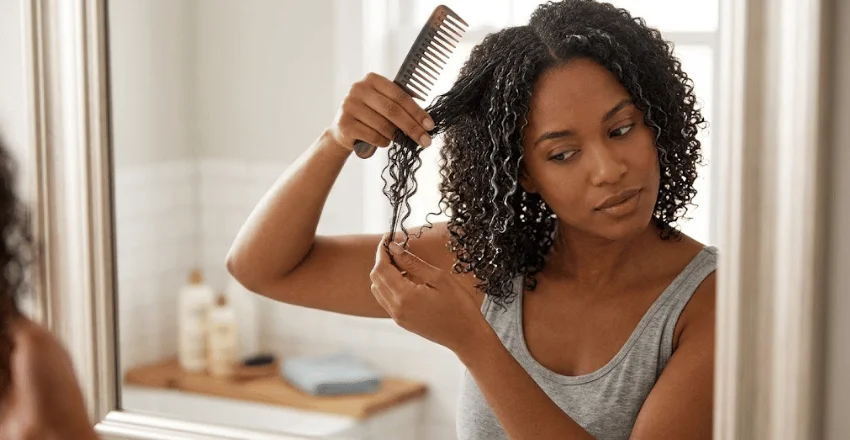
Detangle gently while the strands are conditioned and easy to separate. Start near the ends and work upward rather than pulling a brush through knots from the roots.
The goal is to reduce unnecessary tugging and preserve the curl groupings you’ll style later.
4. Style while the curls are still damp
Light leave-in conditioner, mousse, gel, or curl cream can all work. The right choice depends on the finish you want.
Mousse often suits people who want volume and lighter hold. Gel can provide stronger definition and humidity resistance. Curl cream can add softness but may flatten fine strands if you use too much.
Work with small amounts at first. Rake or smooth the product through, then scrunch upward to encourage the curl pattern. Experts cited by Vogue recommend applying curl-defining products while the hair is damp and limiting touching as it dries.
How to Reduce Frizz Without Flattening Your Curls
Frizz isn’t automatically a sign that something is wrong. Natural curls have texture and movement. The goal is usually to control unwanted frizz while keeping volume.
Try these adjustments before adding more product:
- apply stylers while the hair still contains plenty of water;
- spread product evenly instead of coating only the surface;
- avoid repeatedly touching curls during drying;
- use a smooth towel or T-shirt rather than aggressive rubbing;
- diffuse with controlled airflow if air-drying leaves the roots flat;
- wait until curls are dry before separating or fluffing them.
A diffuser can be especially useful when you want faster drying without directing a strong stream of air through the curl pattern. StyleVanta’s related curly-hair coverage explains how haircut shape, density, and shrinkage can also affect finished volume. StyleVanta’s short curly hair guide
Adjust Your Routine for Canadian Weather
Canada doesn’t have one hair-care climate. Vancouver rain, Prairie winters, southern Ontario humidity, and Atlantic weather can create different styling needs.
During colder months, heated indoor air can leave some curls feeling drier. You may find that a slightly richer conditioner or occasional mask works better than your summer routine.
Warm, humid days can create the opposite problem. If definition disappears quickly, stronger styling hold may help more than adding oil or cream. Gel or mousse can provide structure without necessarily adding heavy moisture.
The most useful approach is seasonal adjustment, not replacing your entire routine. Change one variable, such as conditioner weight or styling hold, and see how your curls respond.
Haircuts and Styles That Work Well With Loose Curls
Layers can remove enough weight for curls to spring up, but too much layering may leave fine ends looking thin. Density matters as much as pattern.
A curl-aware stylist can assess the shape while considering shrinkage and where individual sections naturally sit. If you’re thinking about going shorter, StyleVanta’s guide to short curly hair compares bobs, pixies, shags, tapered shapes, and other options.
For days when you don’t want to wear everything loose, a half-up style can preserve much of the natural pattern while moving hair away from the face. See the half-up, half-down styling guide for options across different lengths and textures.
If you occasionally prefer a stretched or smoother finish, use controlled heat and follow your tool’s instructions. StyleVanta’s blowout hair guide covers sectioning, airflow, heat protection, and adapting the technique to curly textures.
Health Canada also advises consumers to read cosmetic labels and follow product directions, since incorrect use can contribute to irritation or other problems.
What Products Should You Look For?
Rather than shopping for a bottle simply because it says “curly hair,” think in product roles.
A basic routine may include:
- a cleanser matched to your scalp and buildup level;
- a conditioner that provides slip without leaving a heavy coating;
- one main styler, such as mousse, gel, or curl cream;
- an optional leave-in if your lengths need more moisture;
- occasional treatment when your hair feels unusually dry or damaged.
Start with less product than you think you need. If the curls feel soft but lose shape, increase hold. If they feel stiff and dry, reduce the amount or switch formulas. If the roots collapse, use less product near the scalp.
That simple troubleshooting method is often more useful than copying another person’s full routine.
Frequently Asked Questions
What does 3A hair look like?
It usually forms broad, loose spiral curls with a rounded S-shape. The pattern is curlier than most 2C hair but more open than 3B ringlets. Individual strands may still vary across the same head. Elsewhere on the site: 2C Hair.
Is type 3A always fine hair?
No. Curl pattern describes shape, not every other property of the strand. Your hair may be fine, medium, or coarse, and its density and condition also affect which products work well.
How often should curly hair be washed?
Use your scalp and product buildup as the guide rather than following one fixed number. Wash when your scalp needs cleansing, then adjust your cleanser and conditioner if your lengths get too dry.
Can loose curls use gel?
Yes. Gel can help curls keep their shape and may be especially useful on humid days. Start with a small amount, and choose the hold strength based on your desired finish.
Should you brush curls when they are dry?
Dry brushing usually separates established curl groups and creates a fuller, less-defined result. If definition is your goal, detangling while the hair is conditioned and wet or damp is often easier.
Find the Routine Your Curls Respond To
Knowing your curl type can give you a useful starting point, but it shouldn’t become a rulebook. Pay attention to your strand thickness, density, scalp, damage level, climate, and styling goals.
Begin with a simple routine, change one product or technique at a time, and judge the result after several wash days. Your most useful routine is the one that gives you manageable curls without requiring more products or effort than you want.