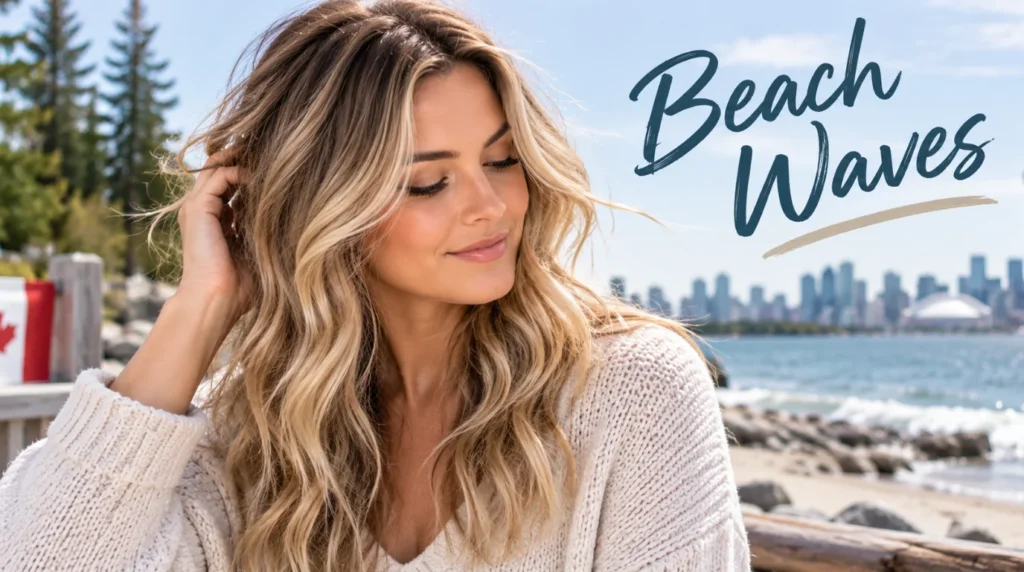

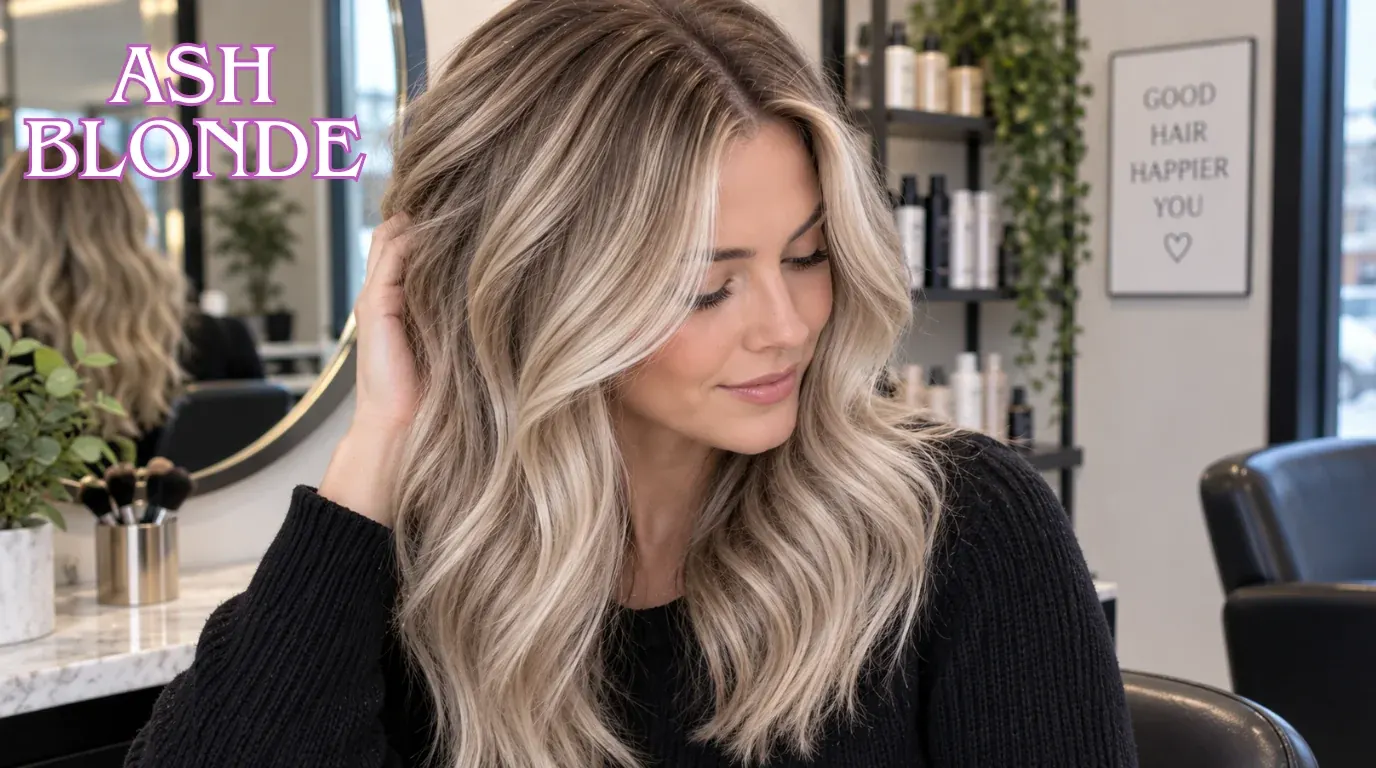
Ash blonde is a cool-toned family of blonde shades with muted grey, blue, green, or silvery undertones instead of strong gold undertones. The result can range from soft beige-smoke to icy silver, depending on your starting color and toner. Choosing the right depth matters as much as choosing the cool tone itself.
If you’re considering this color in Canada, think about three things before booking: your current hair, the amount of lightening required, and how much upkeep you want. A deeper-rooted result can be easier to live with than an even pale blonde from scalp to ends.
| Ash Blonde Quick fact | What to know |
| Color family | Cool blonde |
| Common undertones | Grey, blue, green, violet and muted beige |
| Popular placements | Balayage, highlights, root melts, face-framing pieces, and all-over color |
| Best starting point | Any base can be considered, but darker hair may need more lightening. |
| Main upkeep issue | Yellow or brassy warmth appearing as toner fades |
| Lower-maintenance direction | Natural roots with dimensional cool-toned lengths |
| Helpful salon prep | Reference photos plus your complete color history |
What Makes This Cool Blonde Different?
Warm blondes rely on gold, caramel, amber, or honey tones. Cooler formulas mute much of that warmth. Wella describes the color family as having grey, green, and sometimes blue tones, while beige blonde retains more champagne and subtle golden tones.
That difference can be small in photographs. Indoor lighting may make a cool beige result appear warmer, while daylight can bring out more silver or smoke. If you prefer golden brightness to a smoky finish, StyleVanta’s honey blonde hair guide is a useful comparison. It explains how warmer gold, caramel, and amber tones change the finished effect.
Who Does Ash Blonde Suit?
Cool and neutral undertones often pair naturally with smoky or silvery blonde. Wella also notes that the color can work with deeper olive complexions when the formula is adjusted appropriately. Skin undertone shouldn’t become a rigid rule. Your eyebrow color, natural root depth, eye color, wardrobe, and preferred contrast all affect the result.
For example, someone with warm skin doesn’t have to abandon cooler hair. A colorist may keep beige near the face, add a natural root, or use cooler ribbons away from the hairline. Someone with cool coloring may prefer a cleaner silver-beige finish.
The most useful reference photos show people with a starting depth close to yours. They help a stylist judge contrast more realistically than an image chosen only for the finished tone.
7 Cool Blonde Directions to Consider
1. Soft beige-ash blonde
This option keeps the color muted without looking strongly grey. It suits people who like cool hair but want a softer finish for everyday wear.
2. Dark smoky blonde
A deeper version sits close to light brown. It can work well if pale blonde feels too bright or requires more lifting than you want.
3. Cool balayage
Keep natural or deeper roots, then place cooler ribbons through the mids and ends. Balayage refers to the placement method rather than to a specific color. StyleVanta’s guide to balayage explains how hand-painted placement can create softer root growth and controlled brightness.
4. Fine, cool highlights
Foiled highlights can bring brightness closer to the scalp and create a more consistent blonde effect. This may suit you if you want more visible lightness than a subtle painted result.
5. Shadow root with pale lengths
Keeping a deeper root can make the color feel more dimensional. It also reduces the sharp contrast that appears when naturally darker hair begins growing.
6. Icy face-framing pieces
A few brighter sections around the face can create noticeable change without lightening every strand. Ask whether your front hairline is healthy enough for the brightness you want.
7. Smoky ombré
A darker root fading into cool pale ends creates stronger contrast. If you like that effect, StyleVanta’s ombré hair guide compares ombré with balayage and softer gradient techniques.
Can You Get a Cool Blonde Result From Dark Hair?
Yes, but your starting point affects how much work is involved. Dark natural hair generally needs more lightening before a pale, cool finish becomes visible. Previously colored dark hair can be more complicated because artificial pigment affects how evenly sections lift.
A major shift may require staged appointments rather than one aggressive session. StyleVanta’s balayage guide also recommends sharing a history of previous bleach, permanent dye, color correction, and chemical services before lightening.
Don’t judge the plan by the toner name alone. Toner adjusts the visible undertone after enough lightness has been created. It cannot make deeply colored hair pale by itself. If your lengths already feel fragile, ask whether a deeper cool blonde, partial highlight, or dimensional placement could deliver enough change without chasing maximum lightness.
How to Stop Cool Blonde From Looking Brassy
Yellow warmth can become more visible as cool toner fades. A violet-toning cleanser can make yellow tones less noticeable because purple pigment visually counters yellow. Purple shampoo doesn’t bleach or permanently lighten hair. It deposits temporary pigment, so using more isn’t automatically better. Excess toning may make light areas look dull, violet, or uneven.
StyleVanta’s purple shampoo guide explains when violet shampoo makes sense and why orange-toned brassiness may need a different approach. Your basic routine matters too. Use products intended for color-treated hair, condition processed lengths, and reduce unnecessary heat. Ask your colorist when a gloss or toner refresh makes more sense than another lightening service.
What to Tell Your Colorist
A shade name alone leaves too much open to interpretation. Bring two or three reference photos and explain what you like in each image. Tell your colorist your natural shade, previous dye history, and desired brightness. Be clear about whether you want a natural root, bright roots, highlights, or a gradient. You should also say how often you’re willing to maintain the color.
Ask what your hair can reasonably reach during the first appointment. A realistic first-session goal is often more useful than forcing your hair toward a photograph that began with a much lighter base.
A Canadian Safety Note for At-Home Cooking
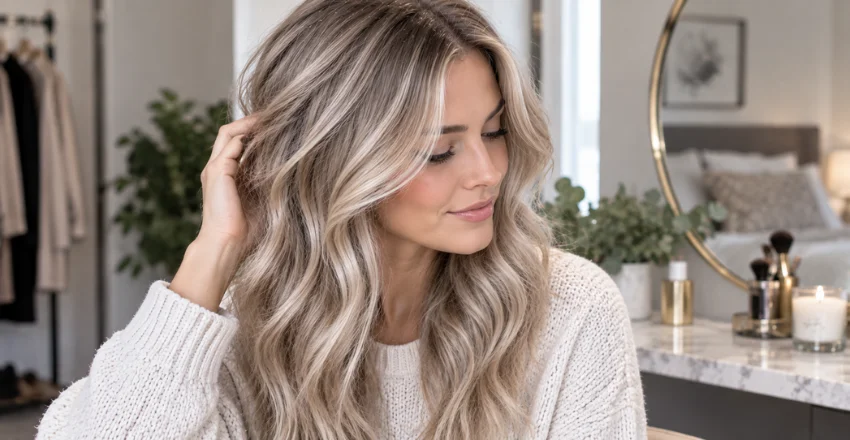
If you plan to use permanent or semi-permanent hair dye yourself, follow the package directions closely. Health Canada states that these products must carry warnings about possible skin irritation and instructions for preliminary sensitivity testing. Government guidance states that the test should be repeated before each application because sensitivity can develop after prior use.
Health Canada also identifies PPD as a known sensitizer used in some permanent and semi-permanent dyes. Products containing regulated hair-dye ingredients are subject to specific cautionary requirements. Never use standard hair dye on eyelashes or eyebrows. Stop using a product if you experience irritation, and seek appropriate medical advice for a persistent or serious reaction.
Choose the Result Before the Formula
Start with the finished look you want rather than a box shade number. Decide how pale you want to go, how much natural root you want to keep, and where you want the brightest pieces. Then consider whether that plan fits your current hair condition and maintenance routine.
For an easier grow-out, keep more natural depth and concentrate brightness through selected sections. For a brighter result, discuss foils or more extensive lighting with your colorist. Save realistic reference photos before your appointment. The clearest consultation combines those images with your starting color, chemical history, and maintenance expectations.
Your Next Step
Choose two or three photos that match your natural depth and the brightness level you want. Note whether you prefer a shadow root, balayage, highlights, or an all-over result. Then bring your color history to a consultation. Ask what can be achieved while protecting your hair’s condition, and agree on a care plan before the lightening begins.
Frequently Asked Questions
Is ash blonde warm or cool?
It belongs to the cool side of the blonde spectrum. Grey, blue, violet, or muted green tones reduce the golden appearance associated with warmer blondes.
What is the difference between cool blonde and beige blonde?
Cooler formulas lean more toward smoky, grey, or silvery tones. Beige blonde is more neutral and can include champagne or soft golden tones.
Can dark brown hair become a pale cool blonde?
Yes, but the amount of lightening depends on your natural color, previous dye, and hair condition. A dramatic transformation may need more than one salon visit.
Does purple shampoo keep blonde hair cool?
It can temporarily reduce visible yellow tones. It doesn’t lighten hair, and it isn’t the right correction for every type of brassiness.
Is a rooted blonde easier to maintain?
It can make natural regrowth look softer because the root is already part of the design. The toner and lightened lengths can still need separate maintenance.
Should I dye my hair a cool blonde at home?
Small tonal changes may be manageable with an appropriate product, but major lightening is more complicated. Follow all label instructions and complete the required sensitivity test before permanent or semi-permanent dye use in Canada.