
Frizzy hair usually appears when strands are dry, damaged, roughened by friction, or exposed to humidity. A raised or uneven cuticle allows moisture to move into and out of the fibre unevenly, causing strands to swell and separate. The most useful fix is a gentler routine that conditions well, limits heat and friction, and controls moisture.
| What you notice | Likely trigger | Useful first adjustment |
|---|---|---|
| More puffiness on humid days | Moisture entering porous or rough strands | Add conditioning and a light smoothing product |
| Rough ends after colouring or heat styling | Surface damage and dryness | Reduce high heat and condition the lengths |
| Flyaways after towel drying | Friction | Blot or wrap instead of rubbing |
| Oily roots but dry ends | Different needs at the scalp and along the lengths | Cleanse the scalp and condition mainly below it |
| Curl pattern breaks apart while drying | Touching, brushing, or weak hold | Style damp strands and disturb them less |
| Hair looks dull after frequent flat ironing | Repeated heat exposure | Lower the temperature and use heat protection |
What Causes Frizzy Hair?
The outer surface of each strand is called the cuticle. When that surface lies relatively smooth, strands tend to align more neatly. Dryness, chemical processing, heat, friction, and weather can roughen the surface. Humid air can then change how the strand holds moisture, creating a puffier or less uniform finish.
Dryness and Damage
Frequent bleaching, colouring, high-temperature styling, or rough handling can leave the lengths more fragile. Damaged strands are also more likely to break, creating short flyaways around the surface.
The American Academy of Dermatology recommends reducing repeated heat exposure, using lower temperature settings, and handling strands gently to limit further damage.
Humidity
Moist air does not affect every head of hair in the same way. Hair that is already dry, rough, or porous may react more strongly because moisture moves into the fibre less evenly.
That explains why a style can look smooth indoors and expand soon after you walk outside on a damp day.
Friction
A routine can create roughness even without chemical processing. Vigorous towel rubbing, aggressive brushing, repeated teasing, and constant touching can disturb the strand’s surface.
Dermatologists advise against vigorous towel-drying; instead, wrap your hair in a towel or let it air-dry rather than rubbing the lengths dry.
Natural Texture
Texture matters too. Curly and coily strands bend along their lengths, which can make it harder for natural scalp oils to travel from root to end. These lengths may need more conditioning than naturally straight strands.
Natural texture is not damage. A soft halo or less uniform curl pattern can simply be part of the way healthy textured hair behaves.
9 Steps to Reduce Frizz Without Overcomplicating Your Routine
You do not need a shelf full of products to control frizz. Start with basic care, then change one variable at a time so you can see how your strands respond.
- Wash according to your scalp’s needs. Cleanse when oil, sweat, or buildup makes washing necessary. If your scalp is oily, you may need to wash more often than someone with a dry scalp or tightly textured hair.
- Keep shampoo focused near the roots. Massage cleanser into the scalp rather than scrubbing the entire length. Let the rinse water carry the shampoo through the ends. This reduces unnecessary friction on older strands.
- Condition after cleansing. Concentrate conditioner where the fibre feels driest. Fine hair may need only a small amount of lightweight conditioner on the ends, while thicker or curlier textures may tolerate richer conditioning.
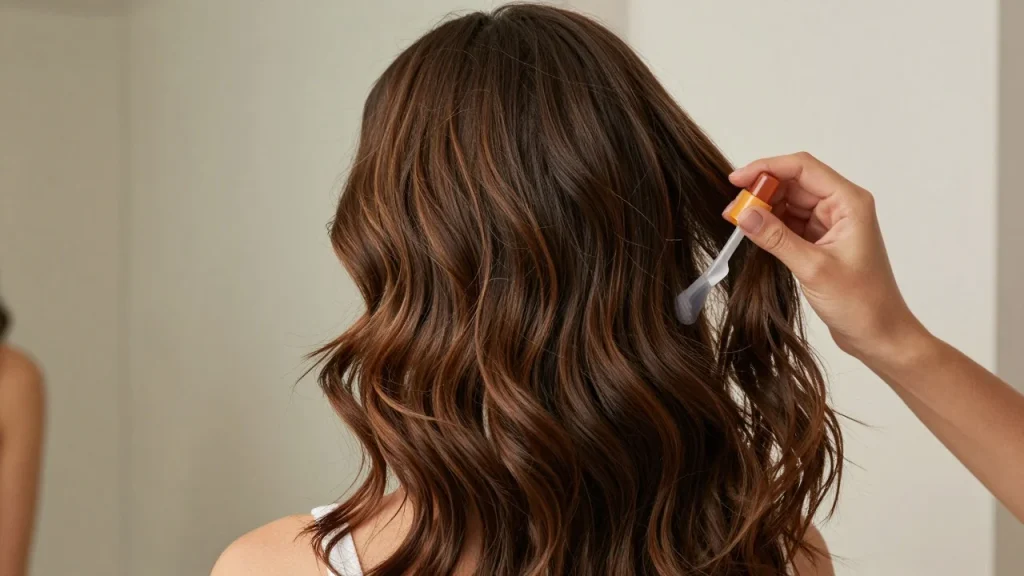
- Add leave-in care when needed. A leave-in conditioner can make dry, tangled, heat-styled, or flyaway-prone strands easier to manage. Apply it mainly from the mid-lengths downward unless the product’s instructions say otherwise.
- Blot instead of rubbing. Press out excess water with a soft towel or T-shirt. Avoid twisting or scrubbing the lengths.
- Detangle according to your texture. Straight strands often benefit from partially drying before gentle combing. Tightly curled or textured hair may be easier to detangle while damp and conditioned. Start at the ends and work upward.
- Use heat with restraint. Let your hair partially air-dry when practical. Use low or medium heat and apply a heat-protecting product when your styling routine calls for one.
- Style it, then leave it alone. Repeatedly touching, brushing, or separating strands while they dry can disturb the shape you created. A light cream, gel, or anti-frizz serum can provide extra control without requiring constant restyling.
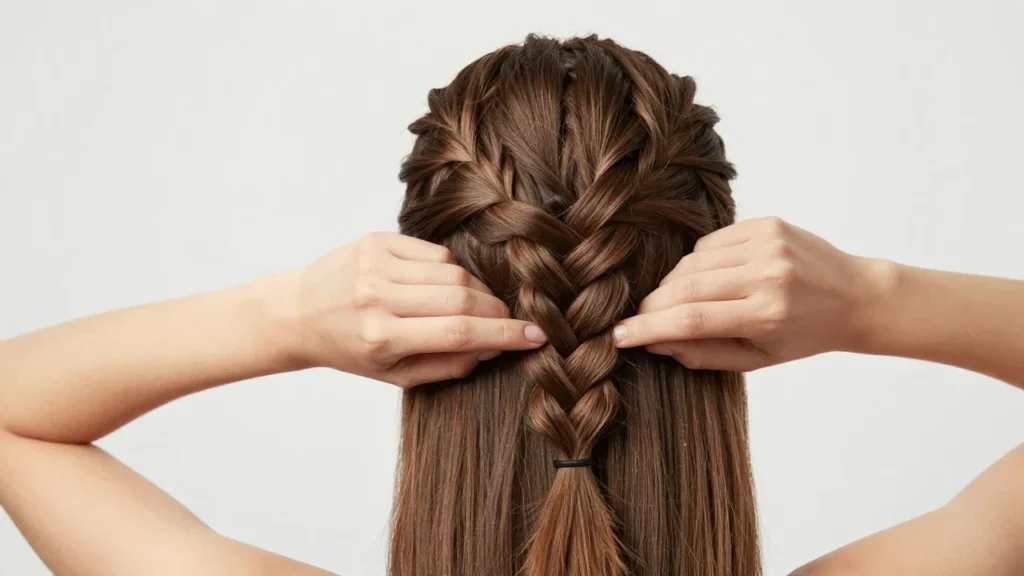
- Protect the result overnight. A loose braid, a loose high ponytail for curls, or another low-tension style can limit tangling. Avoid pulling the same area tightly night after night.
If you want more shape without repeated hot-tool use, StyleVanta’s heatless curls guide explains how moisture level, section size, wrapping tension, and drying time affect the result.
Match Product Weight to Your Texture and Hair Condition
Hair type is a starting point, not a complete prescription. Density, strand thickness, damage, scalp oil, and styling habits also affect how much conditioning your lengths can handle.
| Hair pattern | Useful starting point | Watch for |
|---|---|---|
| Fine or straight | Lightweight conditioner and small amounts of leave-in product | Flat roots or coated lengths |
| Wavy | Light moisture plus flexible hold | Brushing that breaks up the wave pattern |
| Curly | More conditioning and curl-supporting hold | Dry ends and loss of definition |
| Coily | Richer moisture when needed and gentle detangling | Breakage from tension or rough handling |
| Chemically processed | Extra conditioning and cautious heat use | Roughness, snapping, or split ends |
StyleVanta’s straight-hair care guide provides a useful example of why scalp oil, strand thickness, and damage can matter as much as a hair-type label.
Longer lengths also need extra attention because the ends have experienced more washing, friction, brushing, and styling. The site’s long-hair care guide covers conditioning, detangling, heat, and low-tension styling in more detail.
Can Damaged Hair Become Smoother Again?
You can often improve how damaged lengths feel and behave. Better conditioning, gentler drying, reduced heat, and less friction may make the surface look smoother and help prevent additional breakage.
Severely split or broken ends are different. Products can coat and temporarily smooth them, but they cannot restore a badly split section to its original, undamaged condition. Regular trims may be useful when the ends remain thin, rough, or difficult to detangle.
The goal with frizzy hair is not to force every strand into a perfectly flat finish. It is to reduce preventable roughness while preserving the texture, volume, or curl pattern you want.
When a Salon Smoothing Treatment May Make Sense
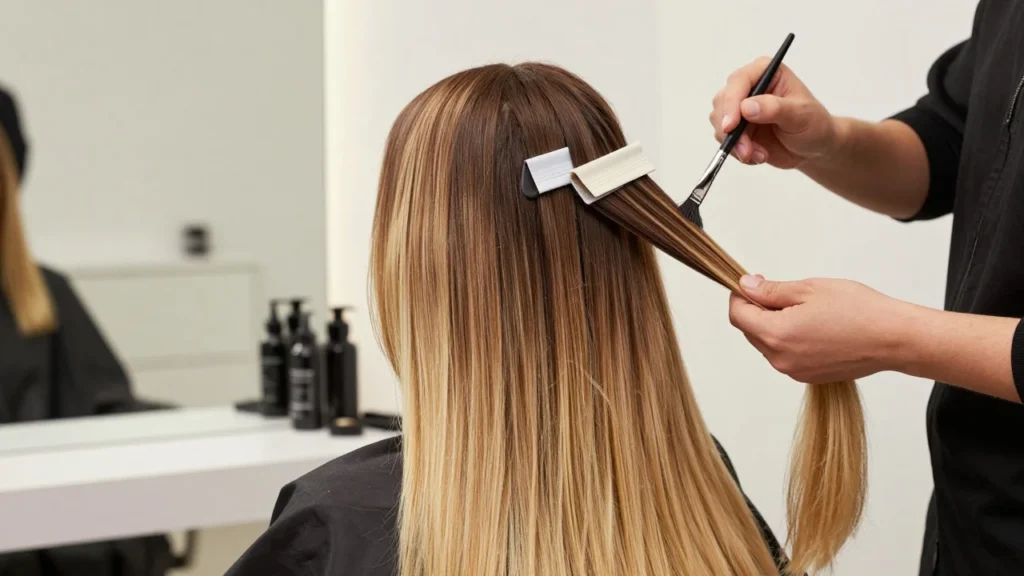
A professional smoothing service can be an option if easier styling is your main goal. Keratin-style treatments may make the hair look smoother for several months, but the result depends on the formula, starting texture, aftercare, and amount of heat used.
Ask the salon for the exact product name before booking. Some smoothing formulas can contain or release formaldehyde-related ingredients during heating, so ingredient information and ventilation matter. StyleVanta’s keratin hair treatment guide covers results, costs, aftercare, and safety questions in more detail.
A smoothing service is not the only option. If your main problem is dry ends, rough towel drying, or excessive heat, correcting those habits may be a simpler place to start.
Find Your Trigger Before Buying More Products
A useful routine starts with observation. For your next two or three wash cycles, change only one factor at a time: your drying method, leave-in amount, brushing technique, or heat setting.
Write down what happens on a dry day and on a humid day. That simple trigger test can tell you more than replacing several products at once.
Once you know whether the main issue is moisture, friction, heat, product weight, or weather, adjust that part of the routine first. Then keep the steps that make your hair easier to style without asking it to behave like a completely different texture.
Frequently Asked Questions
Is Frizzy Hair Always a Sign of Damage?
No. Damage can make strands rougher and more prone to puffiness, but healthy curly, coily, wavy, and even straight textures can show flyaways. Humidity and natural growth patterns can also create a less uniform surface.
Why Does My Hair Look Puffier After Washing?
Several things may be happening at once. Rough towel drying, hot water, aggressive detangling, too little conditioning, or touching your hair while it dries can all affect the finish.
Try changing one step first. Blot gently, apply your usual conditioner, and leave the strands alone while they dry. That makes it easier to identify the trigger.
Can You Get Rid of Frizz Permanently?
Not in every case. Natural texture and humidity do not disappear permanently, and damaged lengths remain more vulnerable until they are trimmed or grow out.
A consistent routine can still make day-to-day styling far more predictable.
Does Humidity Always Cause Frizz?
No. Humidity is a common trigger, but dryness, friction, chemical damage, heat, and natural texture can also contribute. If humid weather is the main trigger, focus on conditioning and products that help keep the finished style in place.
How Can I Control Overnight Frizz?
Keep the style loose, reduce friction, and avoid sleeping with wet strands trapped in a tight style. Curly hair can often be gathered loosely at the crown, while longer straight or wavy lengths may work well in a soft braid.
When Should I See a Dermatologist?
Seek professional advice if your hair texture changes suddenly or the change is accompanied by patchy shedding, unusual breakage, scalp pain, redness, persistent itching, scaling, or another new symptom. Those signs may point to a scalp or hair concern rather than a styling issue alone.