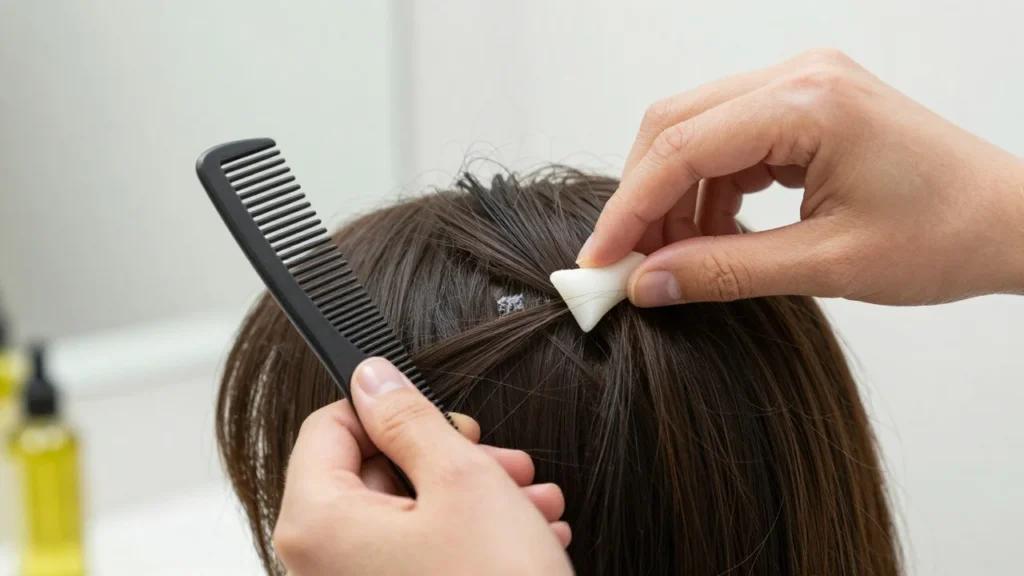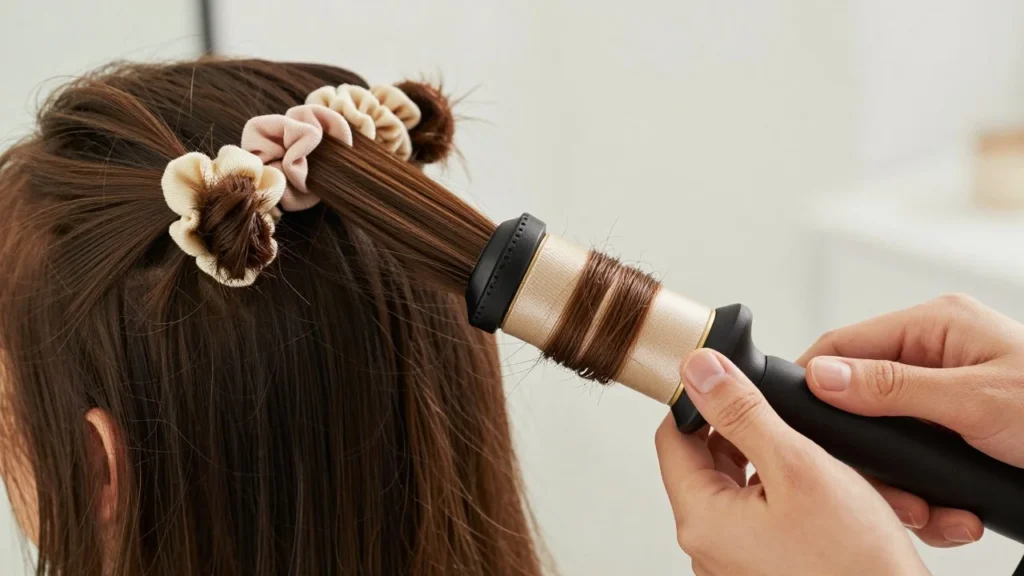

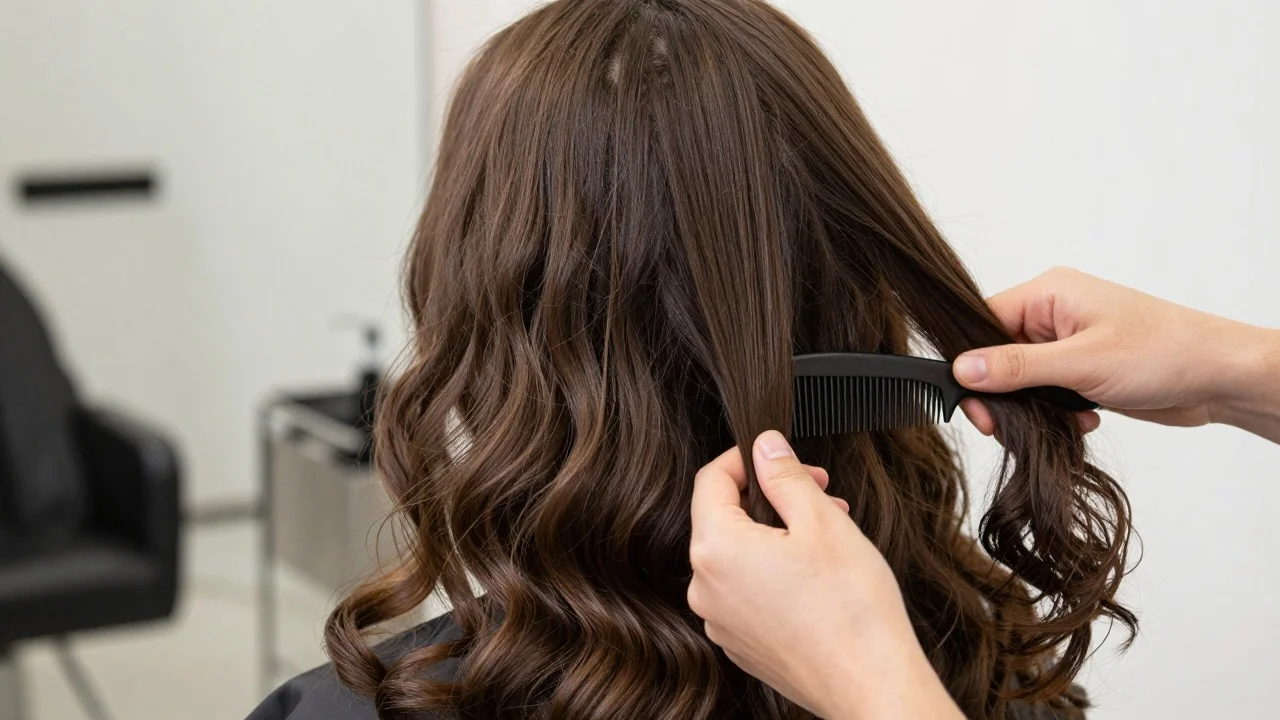
How long does a perm last? Most people can expect a perm to last about three to six months. The treated section remains chemically reshaped until it grows out or is cut, while the visible curl pattern often softens over time. Hair texture, curl size, perm method, washing habits, heat use, and new growth can all shorten or extend that window.
A chemical wave is called permanent because it changes the treated hair’s structure. The finished look still changes as natural growth appears and curl definition relaxes. This explains why your hair can remain chemically altered while looking softer several months after your salon visit.
| What to know | Practical answer |
| Typical visible lifespan | About 3 to 6 months |
| First wash | Wait at least 48 hours; some stylists advise waiting up to 72 hours |
| Biggest longevity factors | Hair texture, condition, curl size, technique, washing, and heat |
| What changes over time | Roots grow in naturally while the curled lengths gradually soften |
| Common refresh window | Often around 3 to 4 months, depending on the style and hair condition |
| Short hair | May appear to lose the effect sooner because regular trims remove treated length |
The ranges above are guides rather than fixed deadlines. StyleVanta’s hair and beauty coverage includes hairstyles, hair care, styling ideas, and beauty trends.
How Long Does a Perm Last by Type?
The technique and curl pattern make a noticeable difference. Larger rods create softer waves, while smaller rods produce tighter curls that may remain visibly defined for longer.
Current salon guidance gives these approximate ranges:
| Curl method | Typical visible range | What to expect |
| Traditional or cold wave | 3 to 6 months | Defined curls that gradually loosen |
| Loose or body wave | Around 2 to 4 months | Softer shape that can relax sooner |
| Spiral curls | Around 4 to 6 months | Tighter pattern that stays noticeable longer |
| Digital or hot method | Often 4 to 6+ months | Softer waves that may hold well on suitable hair |
These figures can overlap because two people receiving the same service may get different results. Hair density, previous colour treatments, rod size, processing, and daily styling all matter.
A tighter pattern may also look longer-lasting because it has more room to relax before appearing almost straight. A loose beach wave can lose its original shape sooner, even when the chemical change remains in the strand.
Hair Type and Condition Affect Curl Longevity
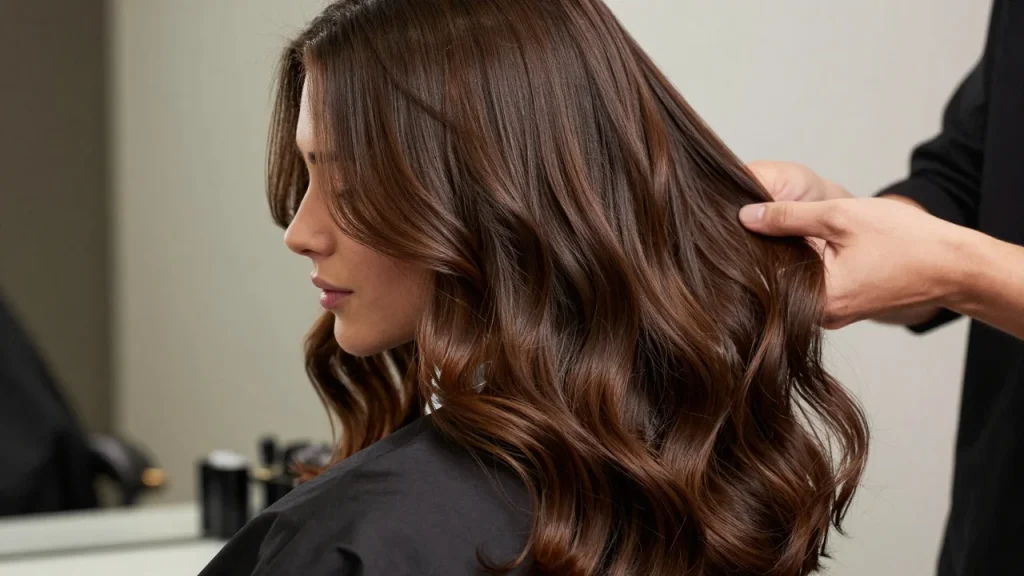
Curls in fine or naturally straight hair may relax sooner than those in thicker hair. Coarse or dense hair can hold a strong pattern well, although the processing method must still suit the individual hair type. Previously damaged or heavily lightened strands may produce less predictable results.
Length matters too. Short styles are trimmed more frequently, so treated sections disappear faster. Longer hair keeps those sections for more time, although its weight can pull on a loose curl pattern.
Your haircut also changes how new texture sits around your face. A widow’s peak styling guide shows why texture, density, length, and natural growth direction should all influence hairstyle choices.
What Makes Curls Loosen Faster?
Frequent shampooing, repeated high-heat styling, chlorine exposure, and rough handling can make the finished shape look less defined. Vogue also notes that washing frequency, heat styling, and the hair’s condition before treatment influence longevity.
Curl size is another factor. Large rods create relaxed waves that have less visible curl to lose. Smaller rods create tighter shapes, so gradual relaxation may be less obvious during the first few months.
The stylist’s technique matters as well. Processing time, rod placement, solution choice, and hair condition all affect the final pattern. This is why a consultation should include your colour history and details about previous chemical treatments.
What the Grow-Out Timeline Can Look Like
There is no specific date when the curl suddenly disappears. The change usually happens gradually.
| Stage | What you may notice |
| First 48, 72 hours | The fresh shape is setting; avoid washing and unnecessary manipulation |
| First 1, 2 months | The curl pattern is usually at its most consistent |
| Around months 2, 4 | Natural root growth becomes easier to see; loose patterns may soften |
| Around months 4, 6 | The difference between the roots and treated lengths can become more obvious |
| Later | You may trim away the treated length, refresh the style, or let it continue growing out |
This timeline combines the common three-to-six-month lifespan with the fact that natural roots continue growing during that period. The visual change is gradual rather than a sudden loss of all curl.
How to Help Your Curls Last Longer
The first few days have the clearest aftercare rule. Most current guides advise waiting at least 48 hours before washing, while some salon guidance extends that window to 72 hours. Follow the instructions from the stylist who performed your service.
After that initial period:
- Wash gently and avoid shampooing more often than your scalp needs.
- Choose moisturizing products that leave your hair flexible rather than dry.
- Detangle with your fingers or a wide-tooth comb instead of pulling through the curls.
- Limit high-temperature styling and use heat protection when heat is necessary.
- Reduce repeated chlorine exposure and wash your hair after swimming.
- Avoid tight hairstyles that repeatedly stretch the curl pattern.
Chemical processing can leave strands drier and more fragile, so moisture and gentle handling matter for both appearance and longevity. WebMD recommends moisturizing, careful detangling, and limiting chlorine and heat after the initial setting period.
When Should You Book a Touch-Up?
Do not rebook based on the calendar alone. Look at your roots, curl definition, haircut, and strand condition first.
A refresh may make sense when natural roots begin changing the shape of the hairstyle or when the curl has relaxed beyond the look you want. Some salons suggest reviewing the result around three to four months, but stronger chemical processing should not be repeated automatically on stressed hair.
Your stylist should check the existing treated length before applying another chemical service. Bring a recent photo of your original result so you can explain how much definition you want to restore.
For more hairstyle planning between appointments, readers can browse the Stylevanta fashion and styling homepage.
Make the Result Last by Caring for the Hair You Have
A three-to-six-month lifespan is a useful starting point, but your own timeline may be shorter or longer. Focus on gentle washing, moisture, limited heat, and a haircut that works with the changing texture.
Before your next salon appointment, save photos of how your curls look at different stages. They can help your stylist adjust the pattern or maintenance plan. If there is another hair question you want covered, you can also send Stylevanta a topic suggestion.
Frequently Asked Questions
How long does a perm last?
A typical result remains visibly curled for about three to six months. Loose waves may soften earlier, while tighter patterns can stay noticeable longer. Hair growth, texture, length, chemical history, washing habits, and heat styling all affect the final timeline.
Does the treatment wash out or grow out?
It does not simply disappear after one wash. The treated hair has been chemically reshaped, while new hair grows from the scalp with its natural texture. The curled lengths may loosen with time, and trims gradually remove them.
Can I wash my hair after 24 hours?
Waiting longer is safer for the newly set shape. Guidance commonly recommends waiting at least 48 hours, with some stylists suggesting 48 to 72 hours. Always follow your salon’s instructions because the exact method and products can differ.
Why did my curls loosen sooner than expected?
Fine strands, large rods, a loose wave pattern, frequent washing, high heat, chlorine, and previous chemical damage can all affect how long the curl definition remains visible. Technique and processing also influence the result.
How often should I get the style redone?
Many people reassess their hair around the three-to-six-month point rather than following a fixed schedule. A stylist should check strand health, new growth, and the remaining curl before repeating chemical processing.