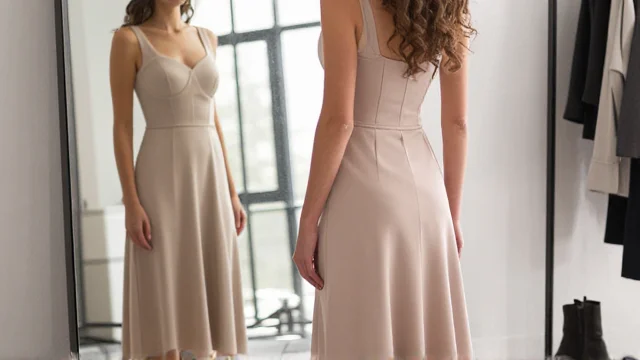


If you’re shopping for midi dresses for women in Canada, start with four things: hem placement, fabric, fit, and occasion. A useful dress should also work with the shoes and layers you already own. Current Canadian retail listings cover budget-friendly pieces through premium designs, so price alone won’t tell you which option suits you.
A midi dress falls below the knee and above the ankle, often around mid-calf. For a Canadian wardrobe, choose a hem that works with your usual footwear. Then match the fabric to your season and occasion. Current retail examples range from about CA$30 to more than CA$300.
| Shopping decision | Good starting point | What to check |
|---|---|---|
| Length | Below the knee and above the ankle | Actual garment length and your height |
| Everyday wear | A-line, wrap, or soft shirt style | Comfort, opacity, pockets, care |
| Work | Wrap, shirt, knit, or structured A-line | Neckline, sleeve coverage, layering room |
| Wedding or event | Satin, chiffon, floral, or fitted style | Dress code, lining, shoes |
| Canadian winter | Knit or layer-friendly woven style | Tights, boots, coat length |
| Online purchase | Compare measurements and return terms | CAD pricing, shipping, tax, final sale |
Quick takeaways
- Check the listed garment length instead of relying on the word “midi.”
- Choose the fabric around the season you expect to wear it.
- An A-line or wrap shape is a flexible starting point for repeat wear.
- Match the hem to your shoes before deciding on length.
- Canadian shoppers should review currency, shipping, returns, and cross-border costs before checkout.
How to Choose Midi Dresses for Women in Canada
The word “midi” describes a length, not one fixed shape. One dress may skim the body, while another has a full skirt or adjustable wrap waist. Retailers currently offer shirt, bodycon, satin, denim, knit, A-line, wrap, and tiered designs.
Start with how you plan to wear the piece. An everyday dress needs different qualities from one bought for a wedding or office.
Use this order:
- Choose the occasion. Decide whether the dress is for work, weekends, travel, dinners, or an event.
- Check the hem. Compare the listed garment length with a dress you already own.
- Choose the silhouette. Look at waist placement, skirt volume, neckline, and sleeve shape.
- Read the fabric details. Check composition, lining, stretch, and care instructions.
- Plan the footwear. Think about sandals, flats, sneakers, ankle boots, or taller boots.
- Review the purchase terms. Confirm currency, delivery, returns, and final-sale rules.
If soft movement matters most, StyleVanta’s flowy dress buying guide explains how fabric, volume, and structure affect the finished shape.
Compare the Main Midi Dress Silhouettes
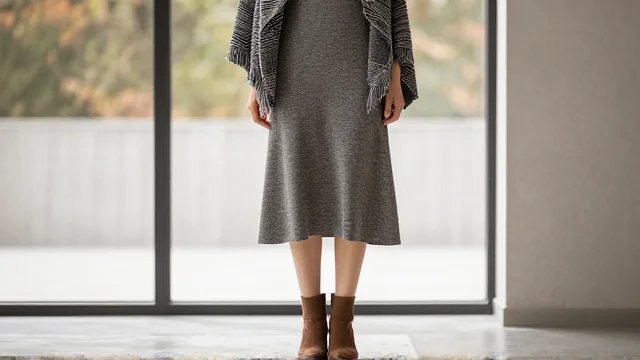
The right cut depends more on your preferences than on a rigid body-shape rule. Focus on where the garment sits close to you and where it creates room.
| Silhouette | Advantages | Trade-offs | Useful for |
|---|---|---|---|
| A-line | Clear shape with room through the skirt | Less adjustable than a wrap | Work, everyday wear, events |
| Wrap | Adjustable waist and neckline | Ties may need repositioning | Office, dinners, travel |
| Shirt dress | Polished and easy to layer | Button placement needs checking | Work and smart casual |
| Slip | Clean line and easy layering | Lighter fabrics may need lining | Dinners and events |
| Bodycon | Defined fitted shape | Fit and fabric stretch matter more | Evening wear |
| Tiered | Movement and visual texture | Stiff fabric can add volume | Casual and romantic outfits |
Verdict: If you want one mid-length dress for several settings, start with an A-line or wrap design. Both can move between casual, work, and dressier outfits with simple changes to shoes and outer layers.
A softer tiered or floral style can suit a more romantic look. StyleVanta’s boho dresses guide has more ideas for balancing flowing shapes, prints, lace, and seasonal footwear.
What Does a Midi Dress Cost in Canada in 2026?
Prices vary widely by fabric, construction, label, and current promotions. Sale pricing also changes quickly, so treat any listed figure as a shopping snapshot rather than a fixed benchmark.
On September 2, 2026, H&M Canada showed work-focused examples from CA$29.99 to CA$84.99. Envy+Grace showed current examples from CA$44.50 to CA$129.
COS Canada listed examples from CA$149 to CA$319. Urban Outfitters Canada showed options from CA$74 to CA$349 in its current selection.
That range shows why a higher price needs context. Before spending more, check what you’re receiving for the extra cost.
Look at:
- fabric composition and weight;
- lining and interior construction;
- fastening and adjustable details;
- washing or dry-cleaning requirements;
- return conditions;
- how often you expect to wear the dress.
A CA$70 piece worn weekly can offer stronger personal value than a CA$250 event dress worn once. The useful comparison is cost, comfort, construction, and repeat wear together.
Dress for Canadian Seasons
A mid-calf hem can work through much of the year because it leaves room for changing footwear and outerwear. The fabric and layering space determine how long its season lasts.
Spring
Try a cotton, viscose, light knit, or lined woven style. Add a cardigan, trench, or light jacket when temperatures shift during the day.
Sneakers, loafers, ankle boots, and flats can all suit the length. Keep the hem clear of wet pavement on rainy days.
Summer
Cotton, linen blends, and lighter viscose fabrics can suit warm weather. Check opacity and lining before ordering pale colours or thin fabrics.
Sandals and lightweight flats keep the outfit simple. A casual midi dress can also work for travel because the length gives coverage without a floor-skimming hem.
Fall
Fall is a good time for shirt styles, deeper colours, knits, denim, and heavier woven fabrics. Add ankle boots, loafers, a cardigan, or a blazer.
Printed dresses can also stay in rotation after summer. A darker shoe or structured outer layer can shift the outfit toward cooler weather.
Winter
Look for enough room to add tights or a thin base layer. Boots can cover much of the exposed lower leg, while a warm coat handles the rest.
A fine knit can add warmth without creating excessive bulk. StyleVanta’s cashmere sweater buying guide covers fit, layering, fibre content, and Canadian cold-weather use.
Choose Shoes Around the Hem
Shoe choice changes how a mid-length hem looks and feels. There isn’t one required heel height or shoe shape.
For casual outfits, try clean sneakers, sandals, or flat shoes. For work, loafers, polished flats, boots, or a modest heel can create a sharper finish.
Ankle boots work well in cooler months, but pay attention to the gap between the boot and hem. A taller boot can create a more continuous line beneath the skirt.
Event outfits can work with heels or dressy flats. Comfort still matters, especially for weddings or occasions that involve hours of standing.
What to Check Before You Buy Online in Canada
Product photography tells you what a dress looks like. Measurements and policies tell you whether buying it makes sense.
Before placing an order, check:
- Garment length: Compare shoulder-to-hem measurements where available.
- Size chart: Use your measurements rather than assuming every brand fits the same way.
- Model details: Model height can help you estimate where the hem may fall.
- Fabric composition: Similar-looking garments can drape and stretch differently.
- Lining: This matters for pale colours, chiffon, lace, and lighter fabrics.
- Care instructions: Decide whether the cleaning requirements fit your routine.
- Currency: Confirm that the listed price is in Canadian dollars.
- Returns: Read the return window and final-sale exclusions.
- Cross-border costs: Check shipping, tax, and possible duty if the retailer ships from outside Canada.
- Availability: Confirm your size and colour are still in stock before planning an outfit around the item.
Current Canadian category pages commonly let shoppers filter by size, colour, material, occasion, and price. Those filters can narrow a large selection faster than browsing by appearance alone.
Our Recommendation: Buy for Repeat Wear
Start with the outfit you expect to wear most often. Then choose a dress that fits that setting without needing several new accessories.
For a flexible first purchase, consider an A-line or wrap shape in an easy-care fabric. Choose a hem that works with at least two pairs of shoes you already own. Neutral colours can make repeat styling easier, but a print can work as well if it fits your wardrobe.
For an event, put the dress code ahead of trend details. Check the fabric, lining, neckline, and footwear before choosing colour or embellishment.
Ready to shop? Compare three current Canadian listings in your budget. Check garment length, fabric, return terms, and your size before choosing. That short comparison can prevent a purchase based on product photos alone.
Frequently Asked Questions
What length is a midi dress?
A midi dress falls below the knee and above the ankle. Mid-calf is common, but the exact landing point changes with the garment design and your height. Check the listed measurement whenever possible rather than relying on the category name alone.
Are midi dresses for women suitable for petite shoppers?
Yes. Petite shoppers can wear this length, but garment measurements matter. A hem that reaches mid-calf on a taller model may sit closer to the ankle on a shorter wearer. Waist placement and skirt volume can also change the proportions.
What shoes can you wear with a midi dress?
Sneakers, sandals, flats, loafers, ankle boots, tall boots, and heels can all work. Match the shoe to the occasion, season, and visual weight of the fabric. There is no single footwear rule for this hem length.
Can a midi dress work for a wedding guest?
Yes, if the style matches the stated dress code. Satin, chiffon, floral, fitted, and softly structured designs are common event options. Avoid colours or styling that could be mistaken for bridal attire, and consider the venue when choosing shoes.
How much should you spend on one in Canada?
There is no required amount. Current Canadian listings range from budget options around CA$30 to premium pieces above CA$300. Compare fabric, lining, construction, care, return terms, and how often you expect to wear the garment before deciding what offers good value.