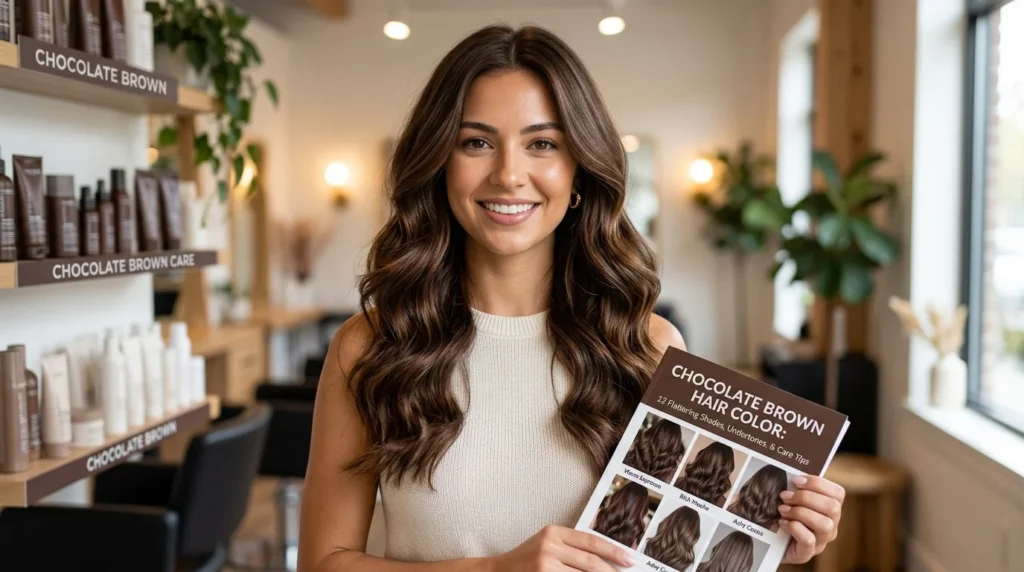

Brown balayage is a hand-painted colour technique that adds lighter or deeper brunette tones through selected sections of hair. The result can be soft and natural or noticeably dimensional. Caramel, chocolate, mocha, honey, chestnut, and ash-brown tones all work, so you can adjust the colour to your base, undertone, hair texture, and upkeep preferences.
| At a glance | What to know |
|---|---|
| Main effect | Dimensional brunette colour with a blended finish |
| Popular tones | Caramel, chocolate, mocha, honey, chestnut, ash brown |
| Best for | Subtle brightness, depth, movement, and softer-looking regrowth |
| Placement | Face frame, mid-lengths, ends, fine ribbons, or broader panels |
| Warm options | Honey, caramel, chestnut, bronze |
| Cool options | Mushroom, taupe, ash brown, cool mocha |
| Main upkeep focus | Protecting lightened lengths and refreshing faded tone |
What Makes This Technique Different?
Balayage describes how colour is applied rather than one specific finished shade. A colourist paints selected sections instead of creating the same pattern from root to end.That placement can preserve more of your natural brunette base. It also lets a stylist control where brightness appears around your face, through the lengths, or toward the ends.
Traditional foil highlights usually create more structured placement. Ombré describes a gradient that becomes lighter or darker toward the ends. StyleVanta’s guide to modern ombré hair explains that difference in more detail. The amount of contrast matters as much as the shade. Keeping the lighter pieces close to your natural depth creates a quiet change. Lifting them several levels creates a brighter, more noticeable finish.
15 Brown Balayage Ideas to Show Your Colourist
1. Soft chocolate ribbons
Keep a deep brunette base and add slightly lighter chocolate sections through the mid-lengths. This works well when you want dimension without an obvious blonde effect. Choose narrow pieces for a subtle result. Wider painted sections make the tonal difference easier to see.
2. Caramel on dark brunette hair
Caramel adds warm amber and toffee tones to a deeper base. Concentrate the brighter colour around the face and through selected ends for a softer transition. This combination creates more contrast than chocolate-on-brown but still stays within the brunette family.
3. Cool mushroom dimension
Choose taupe, beige, muted brown, and ash-toned pieces if you prefer less gold. StyleVanta’s mushroom brown hair guide can help you compare smoky brunette shades before choosing your salon reference photos.
4. Honey brunette
Honey tones bring golden warmth without requiring a full blonde transformation. They can look especially bright when placed around the face and through the ends. For more warm-colour inspiration, compare the shades in StyleVanta’s honey brown hair guide.
5. Mocha melt
A mocha melt combines rich medium brown with restrained neutral highlights. The difference between the base and lighter sections stays relatively small. This is a practical direction if you want visible movement without dramatic contrast.
6. Chestnut warmth
Chestnut introduces soft red-brown warmth. It can be a good alternative to golden highlights when you prefer richer colour. Ask your colourist whether the red tone should stay subtle or become a stronger part of the finished look.
7. Ash brown on a dark base
Cool ash ribbons can soften excessive warmth in a brunette colour plan. The final tone may include muted beige or taupe rather than a flat grey result. Starting colour matters. Hair that naturally exposes strong orange or red undertones during lightening may need professional toning to reach a cooler finish.
8. Face-framing brunette ribbons
You don’t have to lighten the whole head to create a visible change. A few strategically brighter pieces around the face can make the front of the style look more dimensional. Keep the rest of the colour restrained if you want easier visual grow-out.
9. Subtle brunette-on-brunette colour
Choose highlights only one or two visual steps lighter than your base. The effect is understated and can make waves, curls, and layered cuts easier to see. This option suits anyone who likes natural-looking colour rather than a high-contrast transformation.
10. Bronde ends
Bronde sits between brunette and blonde. Keep depth through the roots, then increase beige or golden brightness toward the lower lengths. This creates a lighter result while preserving a strong brunette foundation.
11. Dimensional colour for curls
Painted colour can be positioned to follow the movement of curls and coils. Placement should consider where individual sections naturally sit when the hair is dry. Bring reference photos with a curl pattern similar to yours. That gives your colourist a more useful picture of the contrast and distribution you want.
12. Brown colour on a bob
A bob gives a colourist less length for gradual transitions, so thoughtful placement becomes important. Fine ribbons can create soft movement. Stronger face-framing sections make the colour more noticeable on a shorter cut.
13. Espresso with warm ends
Maintain an espresso root and upper section, then introduce warm medium-brown colour farther down. This works well when you like dark hair but want the ends to look lighter and less solid.
14. Neutral beige brunette
Beige-brown pieces balance warmth and coolness. They can suit people who find strong gold too warm but do not want a distinctly ashy finish. Ask for a neutral result and show reference photos taken in natural light.
15. Rooted caramel with brighter tips
Keep your root close to its natural depth, introduce caramel through the middle, and place slightly brighter pieces toward the ends. The changing intensity creates noticeable dimension without requiring light colour directly at the scalp.
How to Choose the Right Tone
Start with the colour you already have rather than choosing from an inspiration photo alone. A deep brunette base may need significant lightening to reach pale beige or bright bronde. A medium-brown base can often reach softer caramel or honey effects with less visual contrast.
Next, decide whether you want your colour to feel warm, cool, or neutral.
| Colour direction | Shades to consider | Finished effect |
|---|---|---|
| Warm | Honey, caramel, chestnut, bronze | Golden or rich |
| Neutral | Beige brown, mocha, soft chocolate | Balanced |
| Cool | Mushroom, ash, taupe | Muted or smoky |
Skin undertone can help guide this decision, but it does not create strict rules. You can choose harmony or deliberate contrast. Your natural base, wardrobe, makeup preferences, and maintenance tolerance also matter.
What to Ask for at the Salon
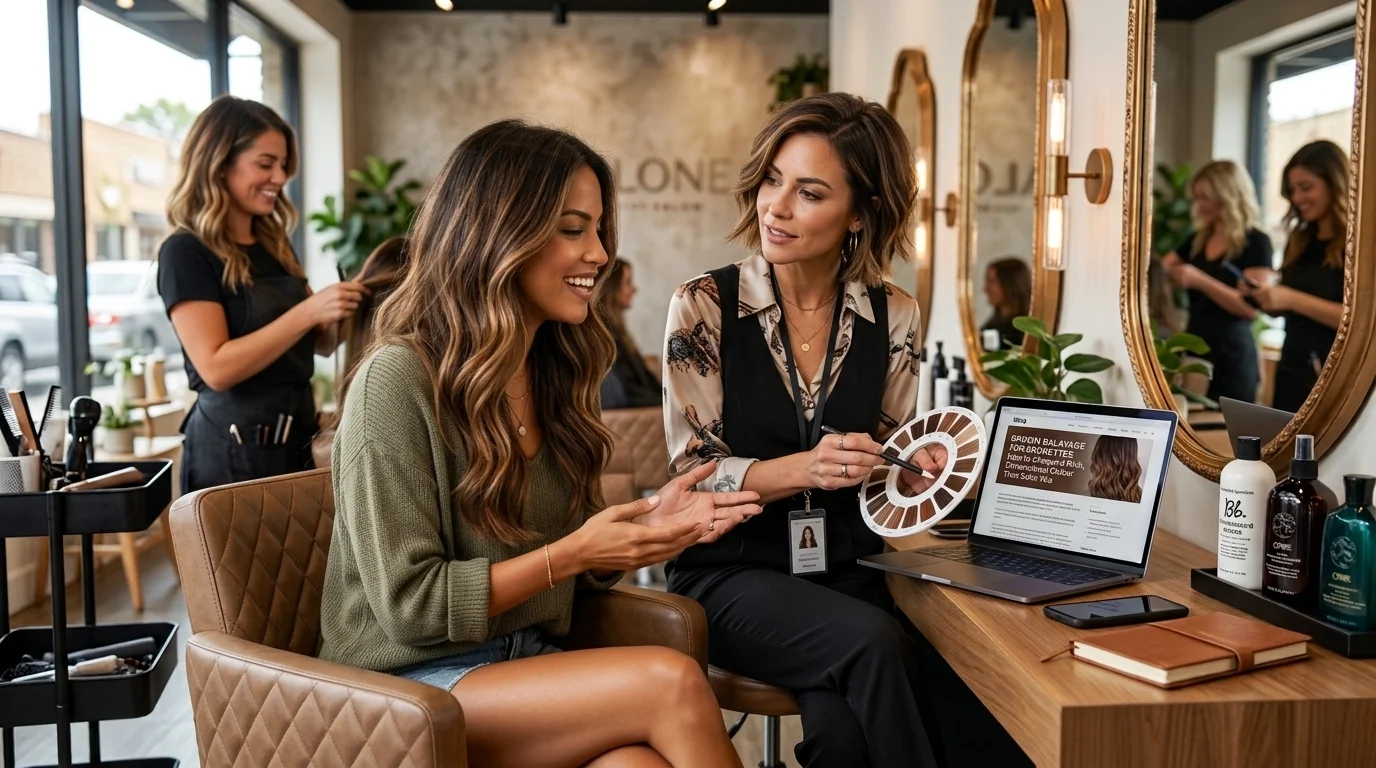
Reference photos work best when they resemble your starting depth and hair texture. Save two or three examples instead of showing your colourist a large collection of conflicting looks.
Cover these points during the consultation.
- How much contrast you want.
- Whether your preferred tone is warm, neutral, or cool.
- Where you want the brightest sections.
- Whether previous dye affects the lightening plan.
- How your chosen colour is expected to fade.
- What maintenance the toner and lighter pieces will need.
You can also ask what can realistically be achieved in one appointment. Previously coloured or fragile hair may require a more cautious approach than untreated hair.
Is It Lower Maintenance Than Traditional Highlights?
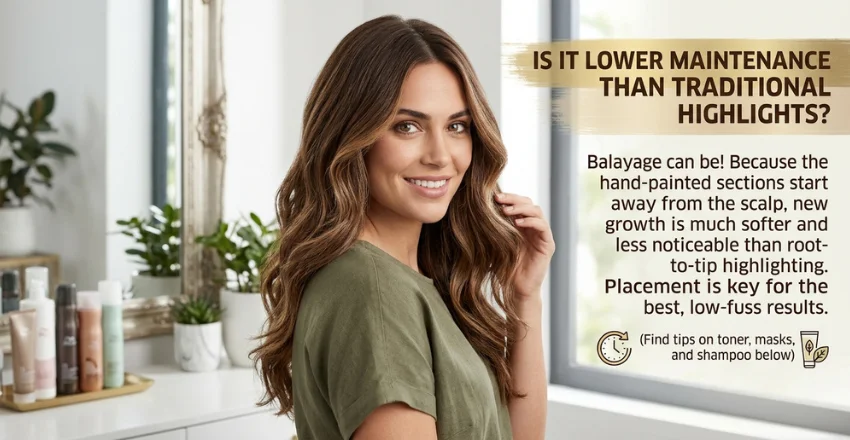
It can be. Because painted sections do not always begin directly at the scalp, new growth may appear softer than it does with root-to-tip highlighting. The exact result depends on placement. The lighter lengths still need care. Wella Professionals Canada advises focusing masks and leave-in care on processed mid-lengths and ends, which can become drier after lightening.
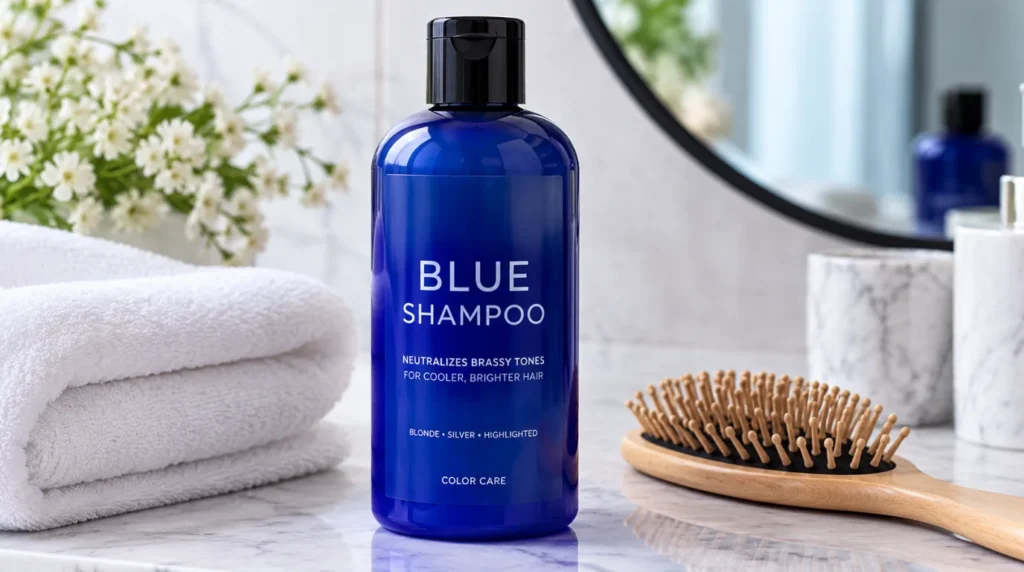
Tone may also shift between appointments. Warmth can become more noticeable as toner fades. If lighter brunette pieces start looking orange or copper, a blue-toned product may be more relevant than a purple one. StyleVanta’s purple shampoo guide explains why violet targets yellow tones while blue is commonly used for orange warmth.
Can You Do It at Home?
At-home kits exist, but colour correction becomes harder when placement, lift, or tone is uneven. Professional help is worth considering when your hair is dark, previously coloured, fragile, or needs several levels of lift. A colourist can also assess whether your inspiration photo is realistic for your starting point.
For Canadians using permanent or semi-permanent dyes at home, follow the exact package directions. Health Canada states that these products must include instructions for a preliminary skin irritation test. Health Canada also advises repeating the patch test before every application. Sensitivity can develop even after previous use without a reaction.
How to Keep Brunette Dimension Looking Fresh
Protect the processed lengths rather than focusing only on the colour itself. Use hair care intended for colour-treated hair and condition the lighter sections consistently. Limit unnecessary high heat, and use heat protection when styling.
Your toning routine should match the unwanted colour you see. Yellow warmth and orange warmth are not the same problem, so avoid choosing a toning product only because it is popular. A salon gloss or toner may also help restore the desired shade when the lighter pieces remain in good condition but the tone has shifted.
Your Next Step
Choose three things before booking: your preferred level of contrast, your tone direction, and the placement you like most. Then save two or three realistic reference photos. During your consultation, ask what your starting colour can achieve, how much lightening is needed, and what the upkeep will involve. A good result should suit your hair now and still make sense several weeks after the appointment.
Frequently Asked Questions
What is brown balayage?
Brown balayage uses painted colour placement to create dimension within a brunette palette. The finished result can include chocolate, caramel, honey, mocha, chestnut, beige, or cooler ash tones.
Is balayage good for dark brown hair?
Yes. Dark hair can keep much of its natural depth while selected sections are lightened. The amount of lift required depends on how bright you want those pieces to become.
What brunette shade looks the most natural?
A colour only slightly lighter than your starting base usually creates the lowest contrast. Chocolate, mocha, and muted caramel are common directions for a subtle result.
How often does the colour need refreshing?
There is no single schedule because placement, toner, starting colour, washing habits, and desired finish differ. Rooted placement may make regrowth less obvious, while the tone through lighter sections can need attention sooner.
Does balayage damage hair?
The painted placement itself is not what causes damage. Chemical lightening can make processed sections drier or weaker, especially when substantial lift or repeated bleaching is required.
Should brunettes use purple or blue shampoo?
Look at the unwanted tone first. Violet products are used for yellow warmth, while blue products are generally more relevant to orange or copper tones in brunette hair.