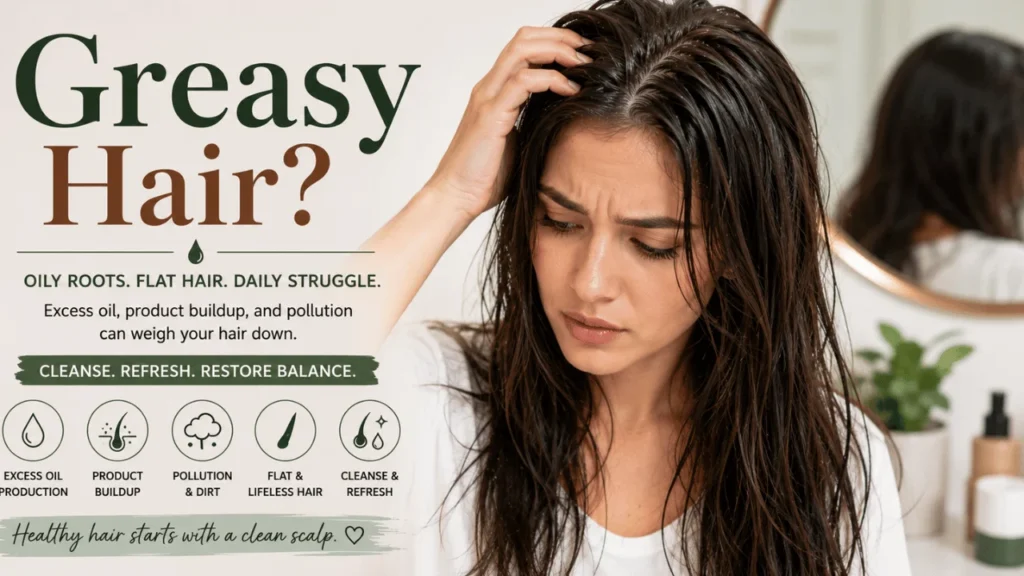

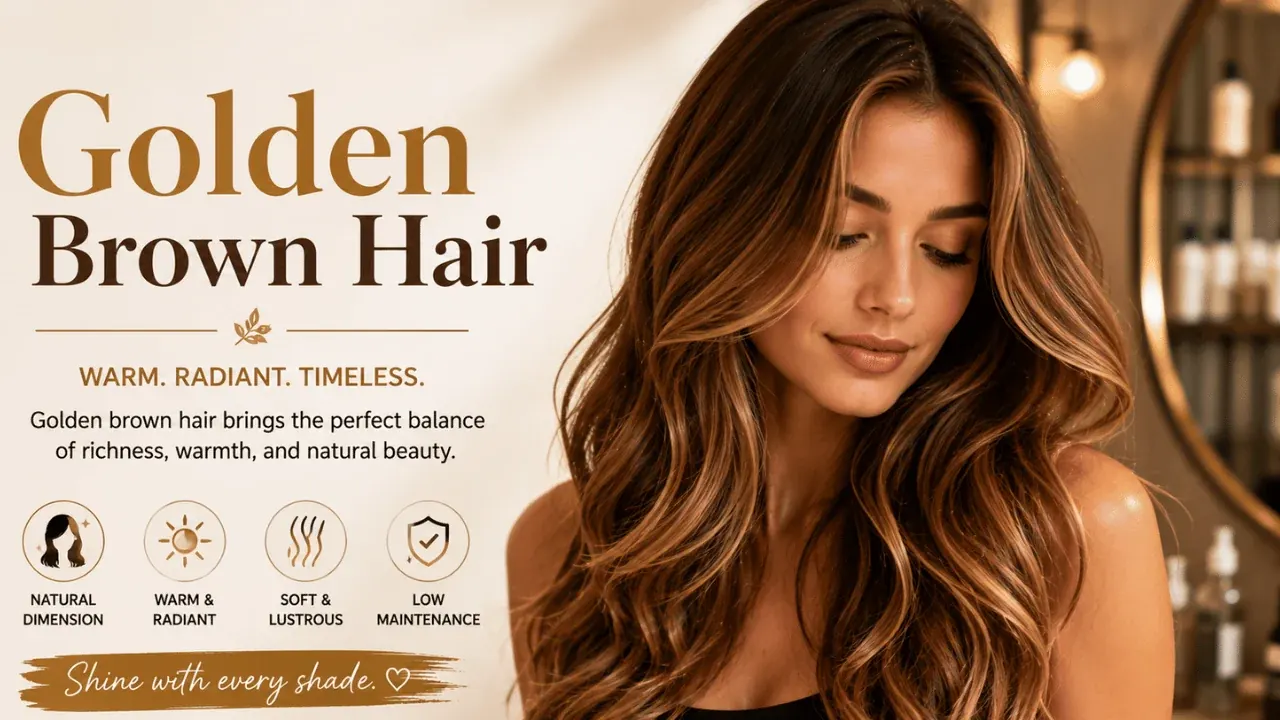
Golden brown hair combines a brunette base with soft golden warmth, creating a color that can look rich, glossy, and dimensional rather than flat. The key is choosing the right depth and level of warmth for your starting color, skin undertone, and maintenance preferences. More from us: Chocolate Brown Hair Color.
Golden brown hair is a warm brunette color family rather than one fixed shade. It can range from deep brown with subtle golden reflections to a lighter bronde finish. Highlights, balayage, ombré, glosses, or all-over color can create the effect, depending on your starting base and how much change you want.
| Golden brown hair | What to know |
| Color family | Warm brunette with golden undertones |
| Common depths | Dark brown through light brown and bronde |
| Popular placements | Fine highlights, balayage, face-framing pieces, ombré, all-over color |
| Lower-maintenance route | Keep the roots close to your natural depth and brighten selected lengths. |
| Main color-care goal | Preserve shine and intentional warmth without allowing unwanted orange or yellow tones to dominate. |
| Canadian at-home safety | Follow the product directions and complete the recommended allergy test before each use. |
What Makes Golden Brown Hair Different?
The defining feature is golden warmth layered over a brown foundation. It shouldn’t read as bright blonde, copper, or orange. Instead, the lightest pieces often look softly sunlit against a deeper brunette base.
Current color inspiration also leans toward tone-on-tone warmth and blended placement rather than sharp contrast. Recent trend coverage highlights dimensional brunette colors, subtle balayage, golden highlights, caramelized tones, and softer transitions.
That flexibility matters because two people can ask for a “golden brunette” and need different formulas. Your natural depth, previous color, texture, and preferred level of contrast all affect the final result.
Golden Brown, Honey Brown, Caramel, or Bronde?
These color families overlap, but they aren’t identical.
| Shade | Main impression | Typical balance | Good choice if you want |
| Golden brown | Brown with clear golden warmth | Brunette first, gold second | A warm brunette that still looks unmistakably brown |
| Honey brown | Golden, amber, honey-like warmth | Often softer and sweeter | A luminous brunette with a honeyed finish |
| Caramel brown | Rich beige-gold toffee warmth | Deeper and slightly richer | Warm ribbons that stand out against dark hair |
| Bronde | Brown and blonde blended | Lighter overall | A result that sits between brunette and blonde |
StyleVanta’s honey-brown shade guide is useful if you’re deciding between a stronger golden finish and a softer honey direction.
10 Ways to Wear This Warm Brunette Color
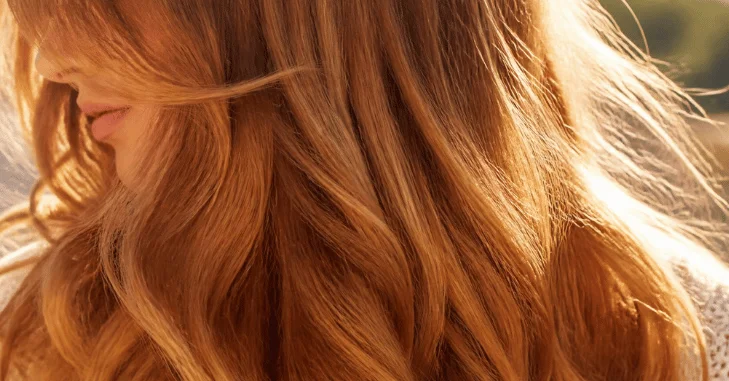
1. Classic Medium Golden Brunette
Start with a medium brunette base and add restrained golden tones through the lengths. The result feels warm from root to tip without looking heavily highlighted.
This version suits anyone who wants an obvious color change but prefers a polished, even finish.
2. Deep Brunette With Golden Reflection
You don’t need to turn dark hair light to introduce warmth. A deeper foundation with muted golden tones can catch the light while preserving the richness of your natural color.
It’s a useful direction if bright highlights feel too contrasting.
3. Light Golden Brunette
A lighter interpretation sits close to dark blonde or bronde. It can look especially natural on someone starting with light or medium brunette hair.
Darker starting colors may need more lightening to reach the same level of brightness.
4. Fine Golden Highlights
Small, closely spaced highlights create movement without changing every strand. Keeping natural depth between them also helps the finish look softer.
Ask for fine pieces if you want dimension rather than obvious ribbons.
5. Golden Balayage
Balayage places lighter color selectively through the hair. Keeping the roots close to your natural shade can make new growth less noticeable.
This is a strong option if you want brightness through the mid-lengths and ends without committing to a uniform root color.
6. Face-Framing Golden Ribbons
A few brighter pieces around the face can create a noticeable shift while limiting how much hair needs to be lightened.
This placement works with long layers, bobs, lobs, and curtain-style fringes. Your colorist can soften or strengthen the contrast based on your starting base.
7. Rooted Golden Color Melt
Keep the crown deeper, then blend into warmer mid-lengths and ends. This creates a gradual transition while preserving some natural depth around the scalp.
It can also make a lighter brunette result feel more balanced with darker brows.
8. Golden Bronde
If you’re torn between brown and blonde, bronde occupies the middle ground. Keep enough brunette depth to anchor the color, then add golden brightness through selected areas. The balance matters more than the precise label.
9. Golden Ombré Ends
Ombré keeps the upper section darker and builds brightness toward the lower lengths. The transition should look intentional rather than like a hard horizontal line.
StyleVanta’s guide to modern ombré Hair explains how the effect differs from balayage.
10. Neutral Brunette With Selective Gold
You can keep most of the base neutral and use golden tones only in strategic sections. This is useful if strong all-over warmth tends to overwhelm your complexion.
The controlled placement still creates a glow without making the entire color look noticeably yellow.
Which Shade Works With Your Skin Undertone?
Your undertone can guide the balance, but it doesn’t need to dictate your color.
| Undertone | A practical approach |
| Warm | Try richer gold, amber, or caramel-gold pieces |
| Neutral | Most versions can work; choose the depth based on your natural base. |
| Cool | Keep the foundation neutral and use gold more selectively. |
| Olive | Balanced gold, beige-gold, or caramel tones can help prevent the result from looking too yellow. |
Reference photos are more useful than color names alone. Salon terminology varies, and one person’s “golden” may be another person’s “honey.”
Bring two or three examples that show the depth, warmth, and placement you want. You can also bring an example that looks too light or too orange. This gives your colorist clearer boundaries.
Can You Get the Color on Dark Hair Without Bleach?
It depends on how light you want to go and whether your hair is natural or previously colored.
A deposit-only semi-permanent product can add tone, but it won’t make a dark starting color lighter. StyleVanta’s semi-permanent hair color guide explains that distinction.
Permanent oxidative color may lift untreated natural hair to some degree, depending on the formula and starting level. Previously colored lengths are less straightforward. StyleVanta’s permanent hair dye guide explains why existing artificial pigment can affect the process.
If you want visibly lighter golden ribbons on deep brown or black hair, professional lightening may be needed. Hair condition and previous chemical services should guide how far you go in one appointment.
A Simple Way to Choose Your Color Technique
Think about three things before choosing a service: how bright you want to go, where you want the brightness, and how much visible regrowth you’re willing to maintain.
If you want uniform warmth, consider all-over color or a gloss where appropriate. Fine highlights create distributed brightness. Balayage concentrates lightness through selected lengths, while ombré keeps the strongest contrast farther from the roots.
For a lower-commitment first step, ask whether a gloss or semi-permanent option can create enough warmth on your current base. If you want substantial brightness, discuss the condition of your hair before planning any lightening.
How to Keep Warm Color From Looking Brassy
Warmth is part of the goal, so don’t automatically neutralize every hint of gold. The issue is unwanted brassiness, such as orange or overly yellow tones that shift the color away from your intended result.
Use a cleanser and conditioner designed for color-treated hair, limit unnecessary high heat, and give lightened lengths enough conditioning. If you’re reviewing gentler cleansing options, StyleVanta’s sulfate-free shampoo guide explains what the label does and doesn’t tell you.
Purple products are designed to counter yellow tones, while blue-toned products target orange tones. Over-toning can cool down the gold you intentionally chose, so use corrective products according to the color you’re trying to neutralize.
At-Home Hair Dye Safety in Canada
If you color your hair at home, read the complete label rather than relying on previous experience with the same product. Health Canada advises consumers to complete the product’s preliminary allergy test before each use of permanent or semi-permanent hair dye. Sensitivity can develop even if earlier applications caused no problems. Stop using the product if you develop redness, burning, itching, blistering, or other irritation. Scalp hair dye should not be used on the eyebrows or eyelashes.
Follow the manufacturer’s timing, mixing, and application directions exactly. For more detailed precautions, refer to Health Canada’s hair-dye safety guidance.
The Salon Brief: What to Ask For
Instead of arriving with only a color name, give your stylist a compact brief:
- Keep my base at approximately this depth.
- I want the warmth to read as gold rather than copper or bright yellow.
- Place the brightest pieces around these areas.
- Keep the roots natural or softly blended, if possible.
- I prefer this amount of contrast and this level of maintenance.
That brief turns an abstract shade name into five practical decisions. It also helps your stylist explain which parts are realistic for your current hair.
Choose the Finish Before You Choose the Formula
A successful warm brunette starts with a clear picture of the finish you want. Decide how dark the base should stay, where you want lightness, how golden the result should look, and how often you want to maintain it.
Save a few reference photos that match your starting depth and texture. Then use them to discuss placement and realistic lighting options with your colorist. If you’re colouring your hair at home, follow the product directions and complete the required allergy test before every application.
Conclusion
Choosing golden brown hair is about finding the right balance of brunette depth, golden warmth, placement, and maintenance. Consider your natural color, skin undertone, hair condition, and how much contrast you want before choosing between all-over color, highlights, balayage, face-framing pieces, or a golden bronde finish.
If your hair is dark or previously colored, discuss realistic lightening options with a professional colorist rather than relying on the shade name alone. To maintain the finished color, use products suited to color-treated hair, manage heat exposure, and correct unwanted brassiness without stripping away the golden warmth you intended. For at-home coloring, always follow Canadian safety guidance and complete the recommended allergy test before each application.
Frequently Asked Questions
Is golden brown hair warm or cool?
It is primarily a warm color family because gold is the defining undertone. A colorist can make it more adaptable to neutral or cool complexions by keeping the brunette foundation balanced and limiting strong warmth to selected pieces.
Does this color suit dark hair?
Yes. Dark brunettes can keep their depth and add subtle golden reflections, fine highlights, or brighter ribbons. The amount of lightening needed depends on the starting color, previous dye, hair condition, and how bright you want the final result to be.
What is the difference between golden brown and honey brown?
Golden brown generally keeps the brunette foundation more prominent. Honey brown often brings a softer honey, amber, or bronde quality forward. The categories overlap, so photos are more reliable than names during a salon consultation.
Is balayage lower maintenance than all-over color?
It can be, especially when the roots stay close to your natural shade. This usually makes new growth less obvious than with a uniform color applied from roots to ends. Placement and contrast still affect how often you’ll want a refresh.
Can I use purple shampoo on a golden brunette shade?
Use it only when unwanted yellow tones are the problem. Purple pigment can cool the warmth you deliberately chose if you use it too aggressively. Identify whether the unwanted cast is yellow or orange before choosing a toning product.