

This guide is general information, not medical advice. Follow the product’s allergy-test directions, and stop and seek medical advice if you develop burning, swelling or a rash.
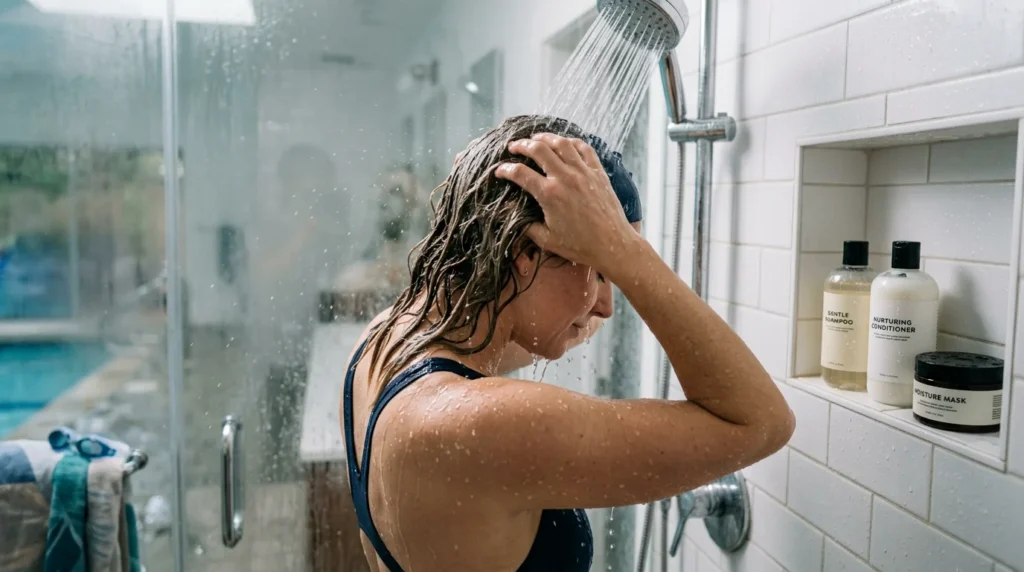
If you’re learning how to protect hair from chlorine, start before you enter the pool. Saturate your strands with clean water, add a light conditioning layer, and wear a well-fitting swim cap. Rinse again as soon as you finish swimming.
Regular exposure can strip protective oils, leaving strands dry, rough, dull, or more prone to breakage. The risk is greater for frequent swimmers and hair that is already bleached, coloured, or chemically processed.
Wet your hair thoroughly with fresh water before swimming, apply leave-in conditioner, and cover it with a swim cap. After swimming, rinse straight away, then gently cleanse and condition the lengths. Frequent swimmers can use occasional clarifying care, while green discolouration may require a chelating cleanser to address metal buildup.
Pool-Day Hair Protection at a Glance
| When | What to do | Main purpose |
|---|---|---|
| Before swimming | Wet strands with clean water | Reduce how much pool water they absorb |
| Before swimming | Apply leave-in conditioner | Add a light protective layer |
| In the pool | Wear a well-fitting swim cap | Reduce direct water exposure |
| Right after | Rinse thoroughly with fresh water | Remove residue before it dries |
| After rinsing | Use gentle shampoo and conditioner | Clean and restore moisture |
| As needed | Clarify or chelate | Address buildup or deposited metals |
What You’ll Need Before You Swim
A useful swim-bag routine doesn’t require a shelf full of products. Keep the basics easy to reach so you can repeat the same process every visit.
- Access to clean shower or tap water.
- A light leave-in conditioner.
- A well-fitting silicone or similar swim cap.
- Gentle shampoo and conditioner.
- A clarifying shampoo for occasional buildup.
- A chelating cleanser only when metal deposits are a concern.
If your lengths are dry, a small amount of hair oil can also create a barrier. Too much may make a swim cap harder to keep in place.
How to Protect Hair From Chlorine in 7 Steps
- Saturate your hair with clean water. Rinse from roots to ends before entering the pool. Hair already filled with fresh water can take up less chlorinated water. Cleveland Clinic and UAB dermatology guidance both recommend this simple pre-swim step.
- Apply a light leave-in conditioner. Smooth a small amount through the mid-lengths and ends. This adds another physical layer between your strands and pool water. Avoid loading the scalp with heavy product if it becomes oily easily.
- Put on a well-fitting swim cap. Secure longer lengths in a loose bun or braid first, then cover them. A cap reduces contact with pool water, but most swimming caps aren’t designed to keep every strand completely dry.
- Rinse as soon as you leave the pool. Don’t wait until you get home if a shower is available. A fresh-water rinse removes much of the residue before it sits on your strands for hours.
- Cleanse as often as you swim. A gentle shampoo is a sensible regular option. If frequent swimming creates noticeable buildup, occasional clarifying shampoo can help. Cleveland Clinic cautions against using a strong clarifier every day, as it can cause dryness.
- Condition the lengths after cleansing. Concentrate conditioner on areas that feel rough or tangle easily. Frequent swimmers may benefit from deeper conditioning once a week when their hair starts feeling dry.
- Limit extra heat on pool days. Let your strands recover instead of following every swim with high-temperature blow-drying or flat ironing. Reducing overlapping sources of damage becomes more useful when swimming is part of your weekly routine.
Why Pool Water Can Leave Hair Dry and Rough
The disinfectant used in swimming pools helps control germs, but it can also remove the natural oils that protect hair fibres. Repeated exposure can leave the surface rougher and make breakage, tangling, and frizz more noticeable. Already porous hair needs more care. Bleaching, permanent colouring, repeated heat styling, and other chemical services can leave lengths less resistant to repeated exposure to pool water.
Choose Post-Swim Cleansing Based on the Problem
You don’t need the strongest cleanser after every dip. Match your wash to what your strands are showing.
| Situation | Better starting point | Why |
| Occasional swim | Gentle shampoo | Removes residue without unnecessary stripping |
| Regular swimming | Gentle washes plus occasional clarifying | Helps manage accumulated buildup |
| Green tint on light hair | Chelating shampoo | Targets deposited metals such as copper |
| Dry or fragile lengths | Gentle cleanse plus richer conditioning | Keeps moisture loss from compounding |
| Fresh keratin service | Product-specific aftercare | Strong clarifiers may shorten the result |
UAB recommends weekly clarifying care for regular swimmers, followed by conditioner. Cleveland Clinic also supports occasional clarifying rather than daily use.
Adjust the Routine for Coloured, Curly, or Treated Hair
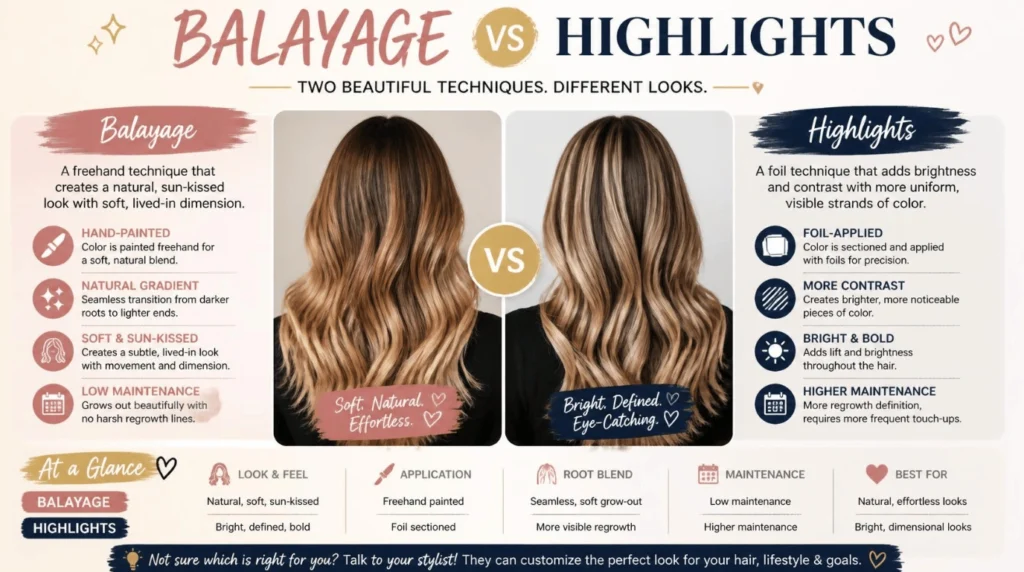
Colour-treated and bleached hair: Make the cap, pre-rinse, and quick post-swim rinse priorities. Strong clarifying cleansers can accelerate fading, particularly with less permanent pigments. Stylevanta’s semi-permanent colour guide explains why clarifying products aren’t the first choice when colour longevity matters.
If you use oxidative dye, review Stylevanta’s permanent hair dye guide for broader care considerations around processed lengths. Curly, coily, or naturally dry hair: Focus on slip and moisture after swimming—Detangle gently after conditioning rather than forcing a brush through rough, wet lengths.
Keratin-treated hair: Follow the exact aftercare directions for the smoothing system used. Stylevanta’s keratin hair treatment guide notes that prolonged pool exposure and strong clarifying shampoos may shorten treatment longevity.
Why Blonde Hair Can Turn Green After Swimming
The familiar green tint isn’t caused by chlorine alone. UAB dermatologist Rachel Falkner, MD, explains that copper deposits in pool water can create the colour change. Blonde, bleached, grey, and white strands can show it more clearly.
If normal shampoo doesn’t remove the tint, a chelating shampoo may help bind and remove deposited metals. This is different from using an aggressive cleanser after every swim.
A Simple Schedule for Frequent Canadian Swimmers
For Canadians who use indoor pools through winter and outdoor pools during warmer months, a repeatable schedule is easier than constantly changing products.
| Frequency | Routine |
| Every swim | Pre-wet, leave-in, cap, immediate rinse, gentle wash as needed, conditioner |
| Once a week | Deep-condition if lengths feel dry |
| Weekly or as needed | Clarifying wash if regular swimming creates buildup |
| Only when needed | Chelating cleanser for metal-related discolouration |
The goal isn’t to scrub more aggressively. It’s to remove what needs to be removed while keeping enough moisture in the fibre.
When Pool-Related Hair Problems Need More Attention
Dry ends after a busy swim week are different from ongoing scalp symptoms or major breakage. UAB advises seeking medical advice for persistent redness, scaling, burning, stinging, itching, blistering, excessive breakage or shedding, or visible thinning. A dermatologist can determine whether the problem is a simple irritation or requires separate treatment.
Make Pool Hair Care Part of the Swim Routine
The most useful protection happens at both ends of your swim. Arrive with fresh-water-saturated, lightly conditioned strands under a cap, then rinse promptly and replace lost moisture afterward.
Keep the routine in your swim bag so it becomes automatic. For more Canadian-focused styling, colouring, treatment, and care advice, browse Stylevanta’s hair guides.
Frequently Asked Questions
How to Protect Hair From Chlorine if You Swim Every Week?
Use the same routine every visit: pre-wet with fresh water, apply a light leave-in, wear a swim cap, and rinse immediately afterward. Add gentle cleansing and conditioning, then use clarifying care occasionally if buildup develops.
Should You Put Conditioner in Your Hair Before Swimming?
Yes, a light leave-in conditioner can add a protective layer before you enter the pool. Apply enough to coat the lengths without leaving them heavily saturated with product.
Does a Swim Cap Keep Your Hair Completely Dry?
Usually not. Its main value in hair care is reducing direct pool water exposure and keeping longer strands contained. Pre-wetting and conditioning first gives you more protection than relying on the cap alone.
Should You Shampoo After Every Swim?
Rinsing immediately is the priority. Whether you shampoo after every session depends on your swim frequency, scalp, styling products, and how your strands feel. Frequent use of strong clarifying formulas can be drying.
Why Does Blonde Hair Turn Green in a Pool?
Copper and other deposited metals can create the green cast, especially on light or porous strands. If ordinary cleansing doesn’t remove it, a chelating formula may be more appropriate.